
Solar tax hike could cost Pakistan more in long run

Solar panel tax hike could cost Pakistan more in long run
Pakistan has been relying on imported fuel to produce electricity for many years, which has increased power generation costs and put pressure on consumers.
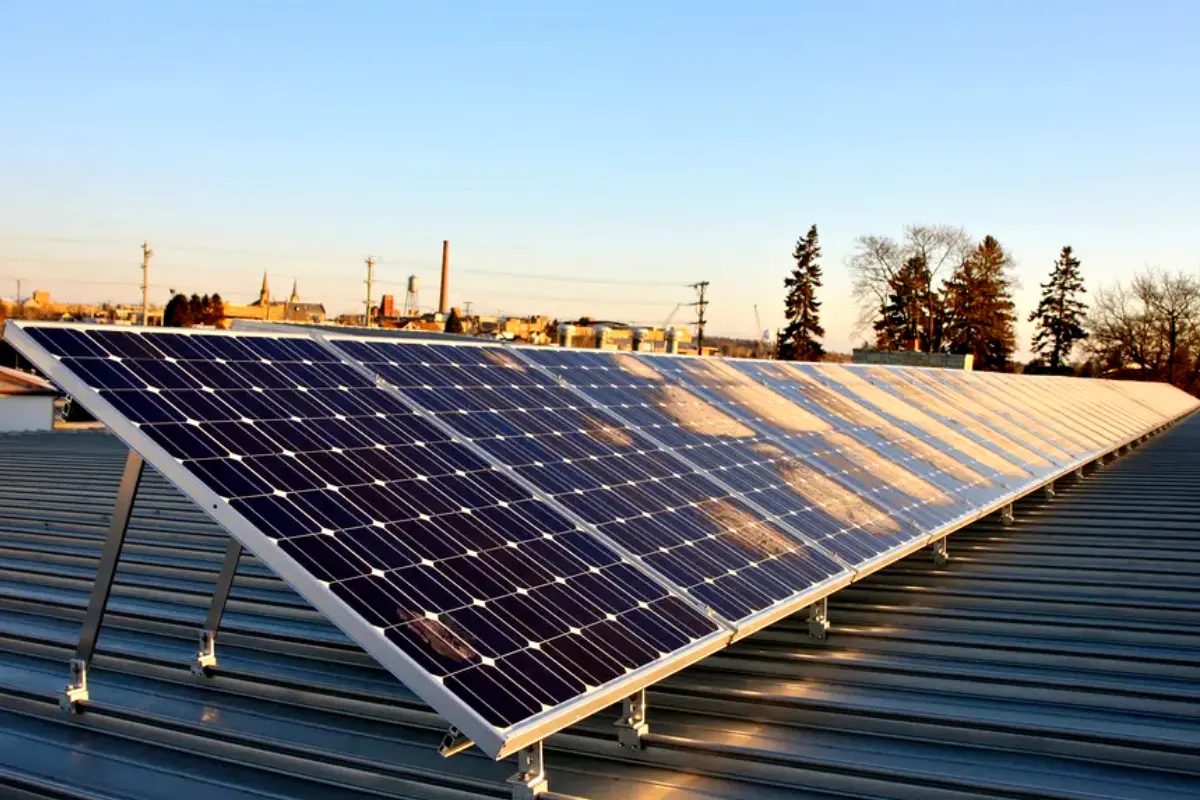
As electricity bills continue to rise, many households and businesses have turned to solar energy as a cheaper and cleaner option. However, concerns are growing that a proposed increase in taxes on solar panels could slow the shift towards solar power.
Possible Tax Increase on Solar Panels
Experts believe the government may introduce an 18 percent General Sales Tax (GST) on solar panels in the upcoming FY 2026-27 budget. This would come after a 10 percent GST was already imposed on solar panels in the FY 2025-26 budget.
Even before any official announcement, solar panel prices have started increasing due to market speculation. Reports suggest prices have risen by 10 to 15 percent, with consumers paying around Rs4 to Rs5 more per watt.
Solar Association Raises Concerns
The Pakistan Solar Association (PSA) says solar systems with a total capacity of about 50 gigawatts have been installed across the country over the past 10 years. In response to the proposed tax increase, the association has launched a campaign called “#StopSunTax” and is urging the government not to impose more taxes on solar equipment.
Speaking on Hum News’ morning show Subha Se Aagay, PSA Chairman Waqas H. Moosa warned that higher taxes could discourage people from adopting solar energy and negatively affect the economy.
Higher Costs May Reduce Demand
Moosa said the government may collect an additional Rs25 to Rs30 billion through higher taxes, but the country could face much larger losses in the future.
“The government may collect Rs25 to Rs30 billion today, but the country could lose several times that amount over the coming years,” he said.
He explained that higher taxes would increase the cost of installing solar systems. For example, a system currently costing Rs300,000 could rise to Rs330,000, making it difficult for many families to afford.
“It is a basic principle of economics that when prices rise, demand falls. While many people may still install solar systems, a percentage of consumers will be priced out of the market,” he said.
Impact on Fuel Imports
According to Moosa, people who decide not to install solar systems will continue relying on electricity generated from imported fuels such as oil, gas, and coal. This would increase pressure on Pakistan’s foreign exchange reserves.
“If even 10 percent fewer people install solar because of higher prices, they will remain dependent on the traditional power system. That means Pakistan will continue importing expensive fuels for years to come,” he explained.
He added that solar systems can operate for 10 to 20 years, providing long-term savings for consumers and the country. Any reduction in solar adoption today could lead to much higher fuel import costs in the future.
“The loss is not for one year; it continues for 10 years or more. To gain Rs25 billion today, we may end up spending over Rs125 billion in imported fuel costs in the future,” Moosa warned.
Call for Policy Review
The PSA has asked the government to reconsider its tax policy on solar energy and take a long-term view of the issue. The association also urged policymakers to discuss the matter with international institutions, including the IMF, and highlight the importance of promoting renewable energy.
“This is not merely a revenue issue. It is a question of energy security, foreign exchange savings, and Pakistan’s long-term economic future,” Moosa concluded.
Catch all the Business News, Breaking News Event and Trending News Updates on GTV News
Join Our Whatsapp Channel GTV Whatsapp Official Channel to get the Daily News Update & Follow us on Google News.
Must Read