
Bloomberg Reveals Sweeping US-Iran Deal: Permanent Ceasefire, $300 Billion Package, Nuclear Commitments

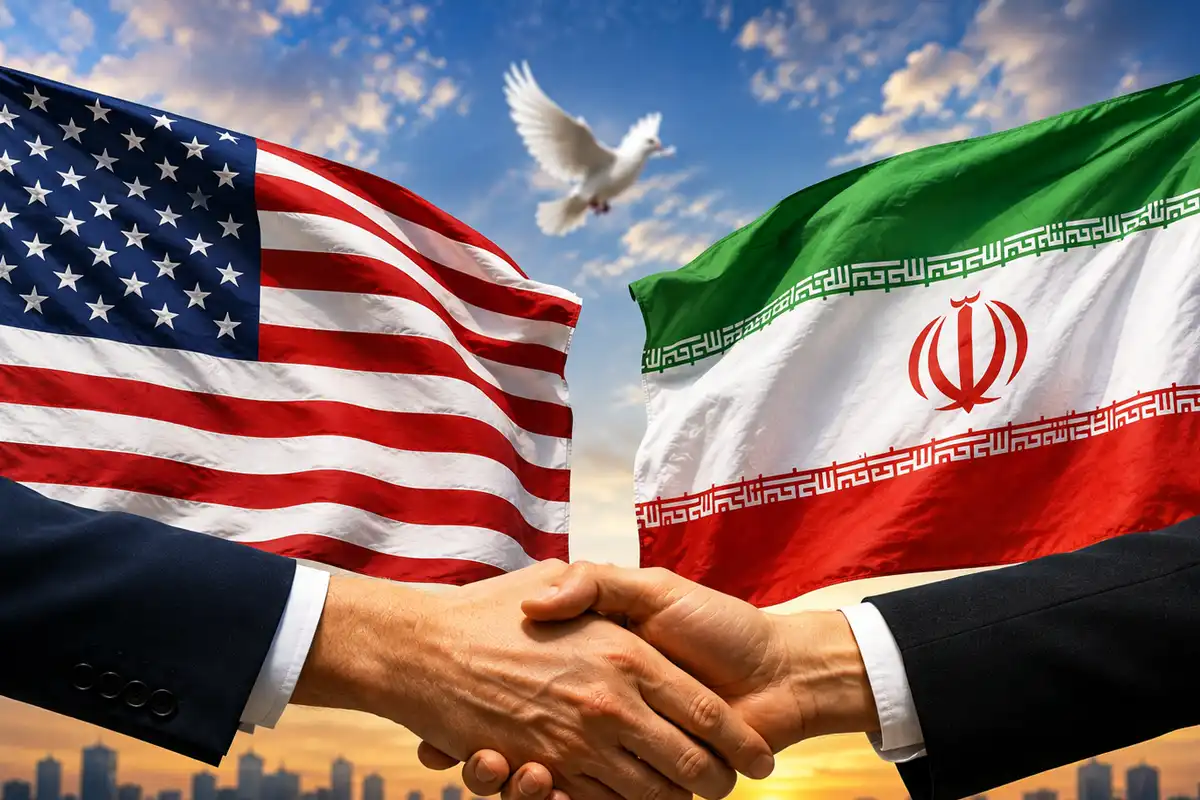
If the terms hold, this could be the most consequential diplomatic agreement in the Middle East since the 1979 Islamic Revolution reshaped the region’s order.
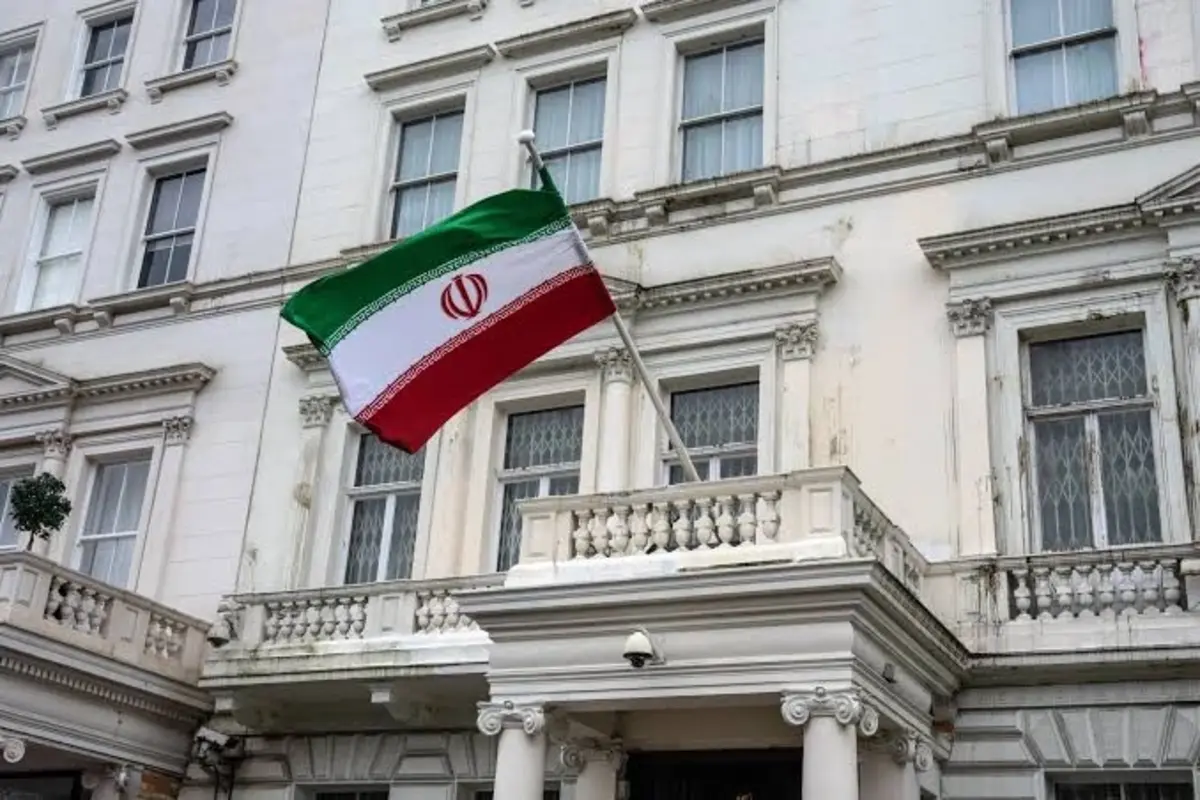
Bloomberg has published detailed terms of a framework agreement reportedly reached between Washington and Tehran — one that goes far beyond a temporary truce. The deal, if finalized, would permanently end hostilities across all active fronts, dismantle decades of economic isolation, and establish a new framework governing Iran’s nuclear program under UN oversight.
Immediate Ceasefire Across All Fronts
The agreement’s first and most urgent condition requires both countries and all allied forces — including in Lebanon — to declare an immediate and permanent halt to military operations upon signing. Neither side would threaten or use force against the other, with mutual recognition of sovereignty forming the political foundation of the deal.
This clause directly implicates Hezbollah’s ongoing confrontation with Israel in South Lebanon, suggesting broader regional actors were factored into negotiations — a diplomatic complexity that previous Iran deals, including the 2015 JCPOA, deliberately avoided.
$300 Billion Economic Reset
The economic architecture of the deal is extraordinary in scale. The US has committed to immediately unfreezing Iranian assets and funds, removing banking restrictions on oil and petrochemical exports, and coordinating with regional partners to assemble a minimum $300 billion economic recovery fund for Iran.
For context, the entire Iranian GDP hovered around $400 billion before maximum-pressure sanctions collapsed it. A $300 billion injection — even phased over years — would represent a structural economic transformation, not merely sanctions relief.
Hormuz and US Military Repositioning
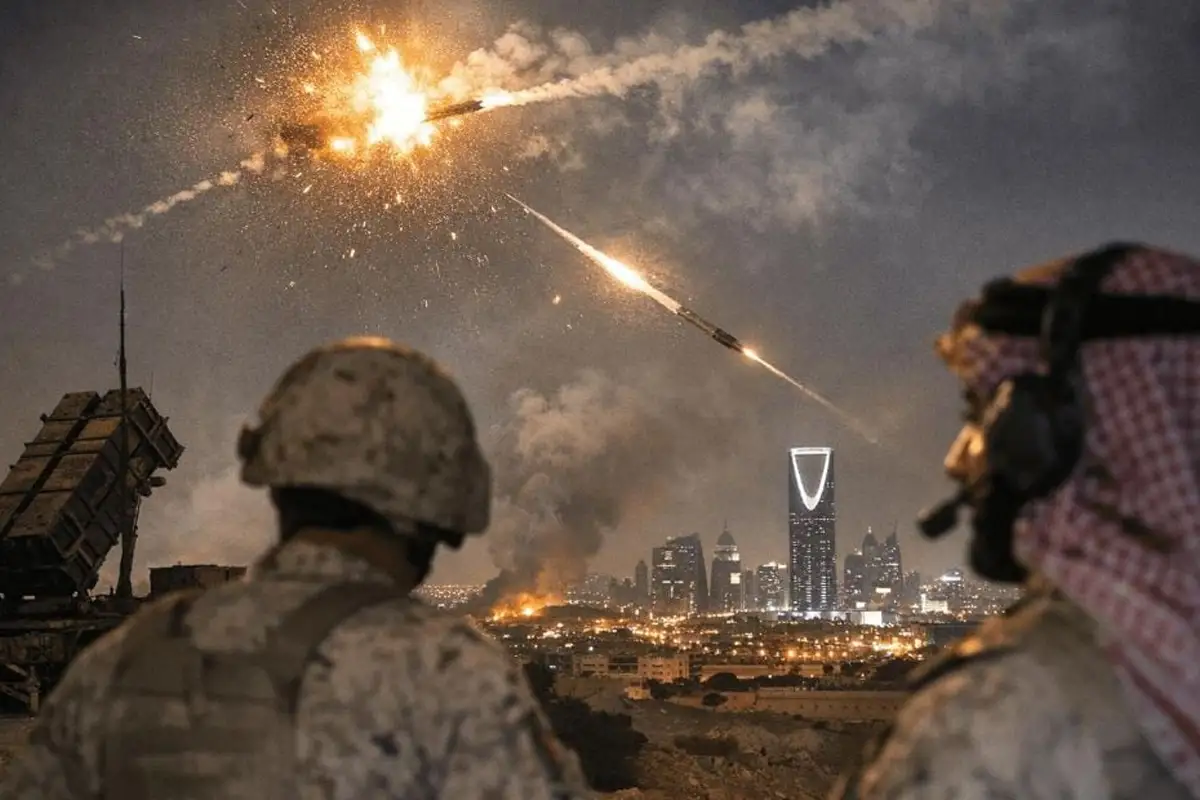
Within 30 days of signing, Iran would restore full freedom of navigation through the Strait of Hormuz, a chokepoint handling roughly 20 percent of global oil trade. Simultaneously, the US would withdraw its forward military presence from areas proximate to Iranian territory within the same 30-day window — a significant concession that redraws America’s regional military posture.
Nuclear Framework: 60-Day Clock
On the most sensitive question, Iran has reportedly committed to never developing nuclear weapons. However, the specific mechanics — uranium enrichment levels, inspection protocols, and remaining technical disputes — are deferred to a 60-day negotiation window, with any final agreement requiring UN Security Council ratification.
This staged approach mirrors the JCPOA architecture but with a harder political ceiling: a categorical weapons prohibition rather than a temporary enrichment cap.
What This Changes
Skeptics will note that similar frameworks have collapsed before. The 2015 deal unraveled not over technical violations but political will. What distinguishes this framework is the economic scale of inducements and the apparent inclusion of proxy conflict termination — two gaps that doomed previous efforts. Whether Congress, Israeli leadership, and Iran’s hardliners accept these terms remains the defining question.
Catch all the World News, Breaking News Event and Trending News Updates on GTV News
Join Our Whatsapp Channel GTV Whatsapp Official Channel to get the Daily News Update & Follow us on Google News.
Must Read

Entertainment
Arjun Bijlani’s Wife Neha Faces Severe Backlash Over Allah, Rasool T-Shirt
14-October،2026