Trump, Pezeshkian Sign Versailles Deal Ending Middle East War, Iran to Dilute Uranium

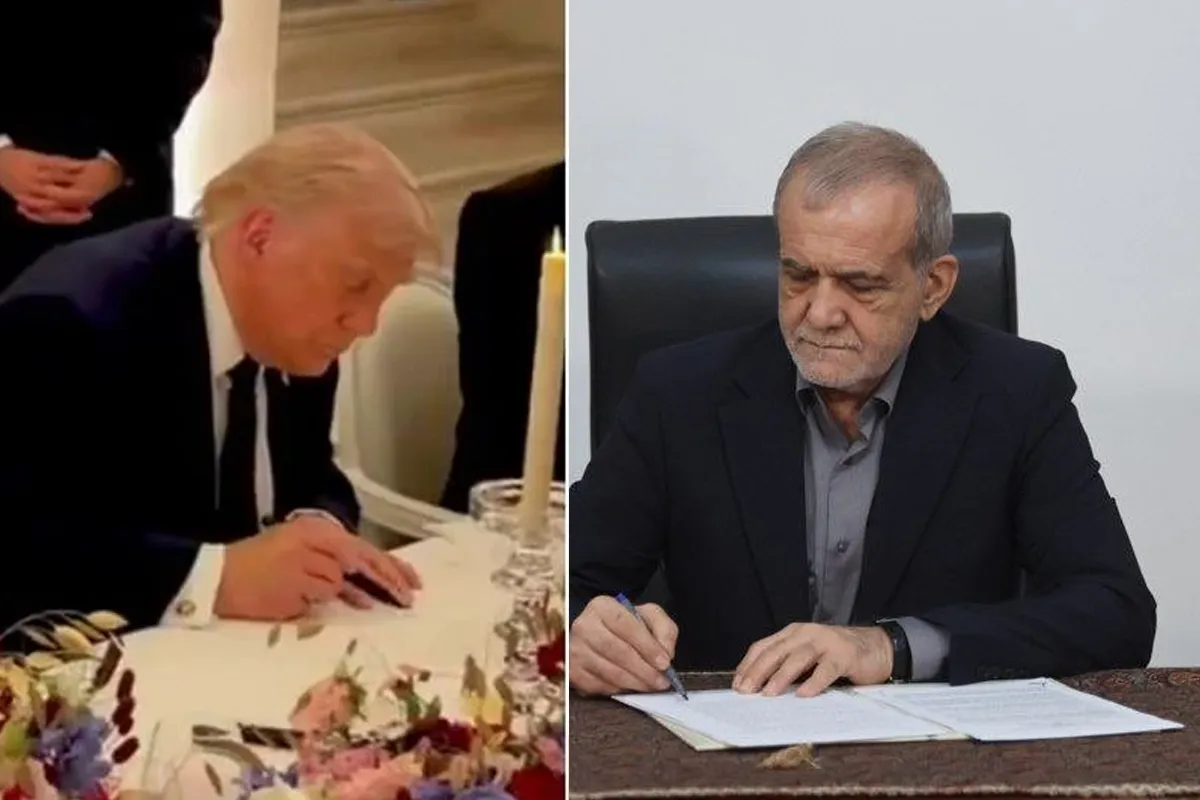
The image will likely define this conflict’s ending: an American president and his Iranian counterpart putting ink to paper at a candlelit dinner inside the Palace of Versailles, while Emmanuel Macron’s guests applaud in the background.
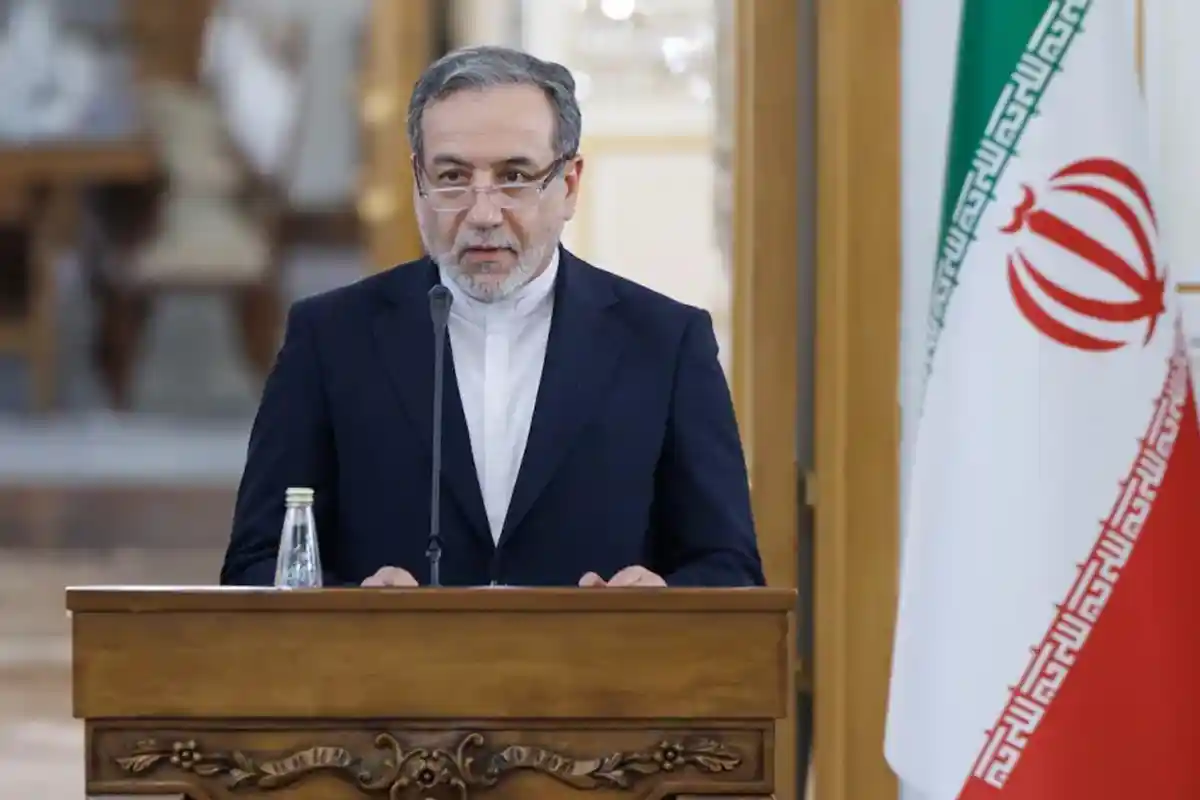
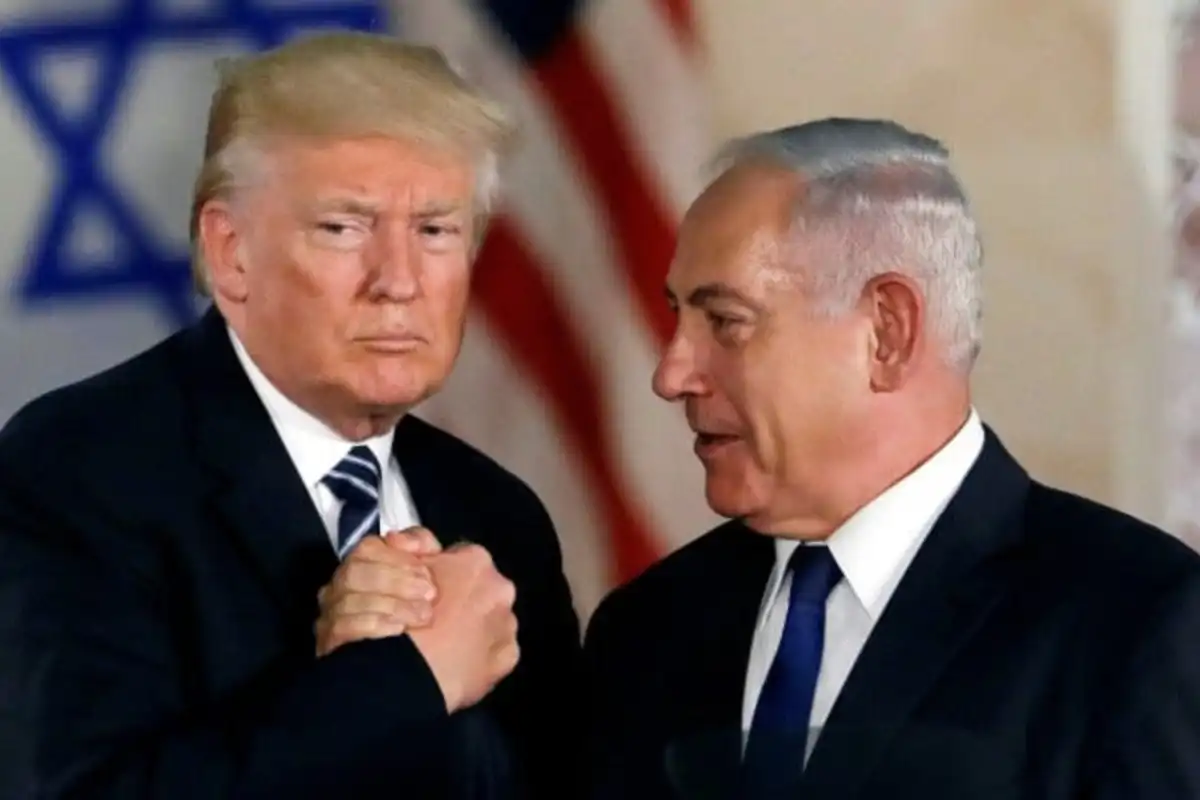
Donald Trump and Iranian President Masoud Pezeshkian signed a memorandum of understanding Wednesday night meant to terminate a war that began February 28, when US and Israeli strikes triggered Iranian missile and drone retaliation across the region and an effective closure of the Strait of Hormuz. Trump told reporters as he emerged from the palace that he had just signed it. Iranian Foreign Ministry spokesman Esmaeil Baqaei confirmed through state news agency IRNA that the document was finalized with the signatures of both presidents.
Sequencing Trumps Substance
The deal’s opening mechanics reveal where genuine trust still doesn’t exist. Pakistani Prime Minister Shehbaz Sharif, whose country mediated the framework, wrote that Iran would instantly reopen the Strait of Hormuz while the United States would immediately lift its naval blockade — simultaneous, mirrored concessions designed so neither side moves first. Washington additionally commits to immediately waiving the oil sanctions that have crippled Iran’s economy, with the $300 billion reconstruction fund backed by regional nations contingent on a future, separate nuclear agreement rather than released now.
That distinction matters enormously. The immediate relief is sanctions-based; the transformational money stays locked behind a negotiation that hasn’t started yet.
A Ceremony Iran Didn’t Want
The diplomatic choreography shifted abruptly. The agreement had originally been slated for signature by Iran’s chief negotiator Mohammad Bagher Ghalibaf and Vice President JD Vance, but Iran said an in-person ceremony was no longer necessary. Tehran’s framing of the outcome was combative rather than celebratory — Iran insisted the deal represented a US failure, with Ghalibaf telling state television that people would see it and judge for themselves.
That rhetoric is domestic political necessity. No Iranian official can describe capitulation to Washington as victory and survive the backlash from hardline factions.
Beijing’s Quiet Insertion
China’s top diplomat told Tehran it was essential for all sides to genuinely implement their commitments — a notably understated intervention from a government that has invested heavily in Iranian oil infrastructure and CPEC-adjacent regional stability. Beijing’s comment functions as quiet leverage: a reminder that Chinese economic interests now have a stake in this agreement holding.
Republican Revolt at Home
Senator Bill Cassidy, a fellow Republican, condemned the agreement, arguing Iran’s nuclear ambitions remained unchecked and that Tehran had learned threatening Hormuz produces results, calling it the worst foreign policy blunder in decades. That criticism lands harder given the cost already paid — 13 US service members killed and significant ammunition stockpiles depleted in the conflict Trump just ended.
Hezbollah Claims Its Own Win
Hezbollah’s leader Naim Qassem called the deal a great victory for Iran, thanking Tehran for insisting the truce extend to Lebanon, which entered the conflict when Hezbollah fired rockets at Israel on March 2 in solidarity with Iran. Yet the ground reality contradicts Qassem’s triumphant framing — Israeli strikes on south Lebanon have killed at least five people since the deal’s announcement, with five Israeli soldiers wounded by an explosive drone, one severely, the first such incident reported since the agreement was signed.
That gap between Beirut’s victory narrative and South Lebanon’s continued casualties suggests the Lebanese front remains the agreement’s weakest, least-enforced component.
The Nuclear Clock Starts Now
A two-month negotiation period begins, with Hormuz’s reopening as the first concrete step, while Iran commits to diluting its enriched uranium stockpiles, potentially through on-site down-blending supervised by the IAEA. A US official clarified Washington itself will not contribute financially to that process.
This is the deal’s actual substance: not a settled nuclear framework, but a two-month runway toward one, with uranium dilution as the confidence-building gesture that unlocks further talks.
Markets Flinch, Then Steady
Oil prices had been falling on growing optimism about lasting peace but reversed Wednesday, briefly spiking 5% amid signing uncertainty before stabilizing. That volatility is a more honest market signal than Trump’s G7 comments from earlier the same day — traders clearly weren’t certain this would actually happen until it did.
What Versailles Actually Settled
The symbolism of signing a war-ending document in the palace that hosted the treaty ending World War I won’t be lost on historians. But Versailles in 1919 produced a settlement that unraveled within two decades. This agreement explicitly defers its hardest question — permanent nuclear control — to negotiations that haven’t begun. The ceasefire is real. The peace is provisional. The next eight weeks will determine which one this becomes.
Catch all the World News, Breaking News Event and Trending News Updates on GTV News
Join Our Whatsapp Channel GTV Whatsapp Official Channel to get the Daily News Update & Follow us on Google News.
Must Read
Pakistan
DG ISPR Says Protection of Saudi Arabia and Holy Sites Is Pakistan’s Top Priority
19-October،2026
Entertainment
Sajal Aly and Zara Noor Abbas Follow Each Other Again, Yasir Hussain Reacts
19-October،2026