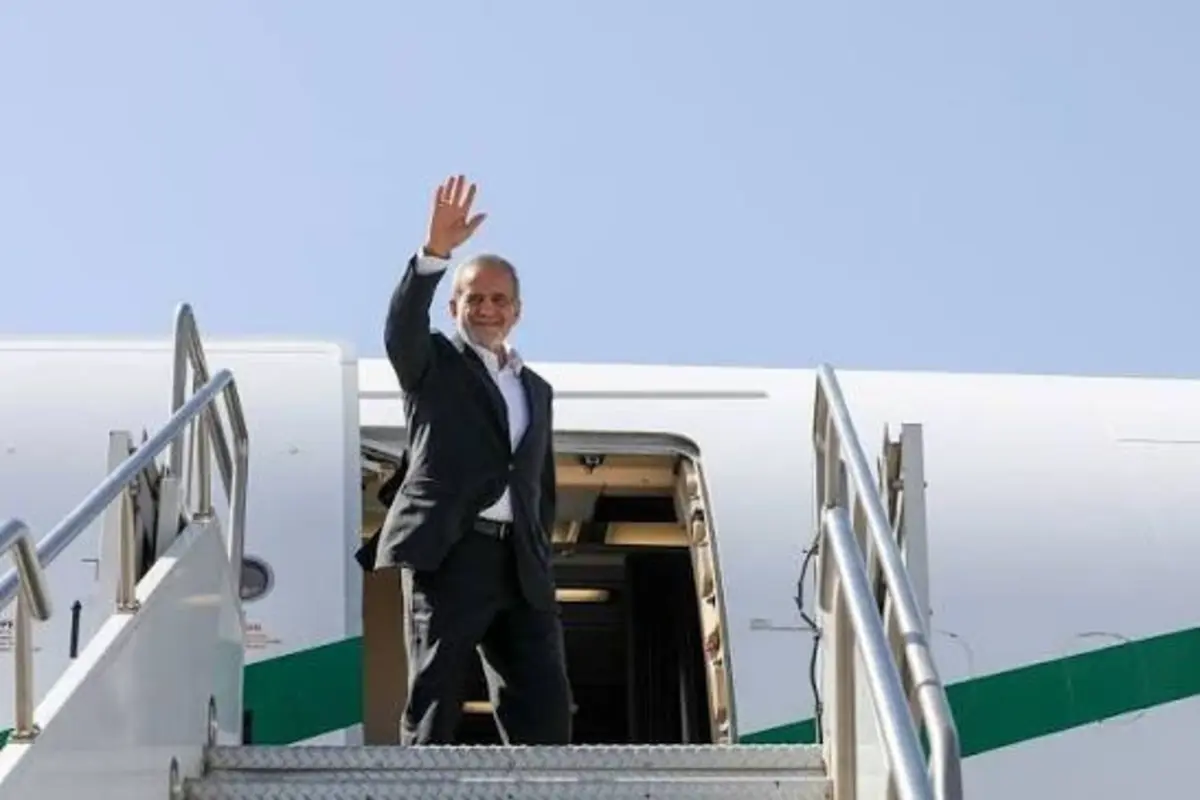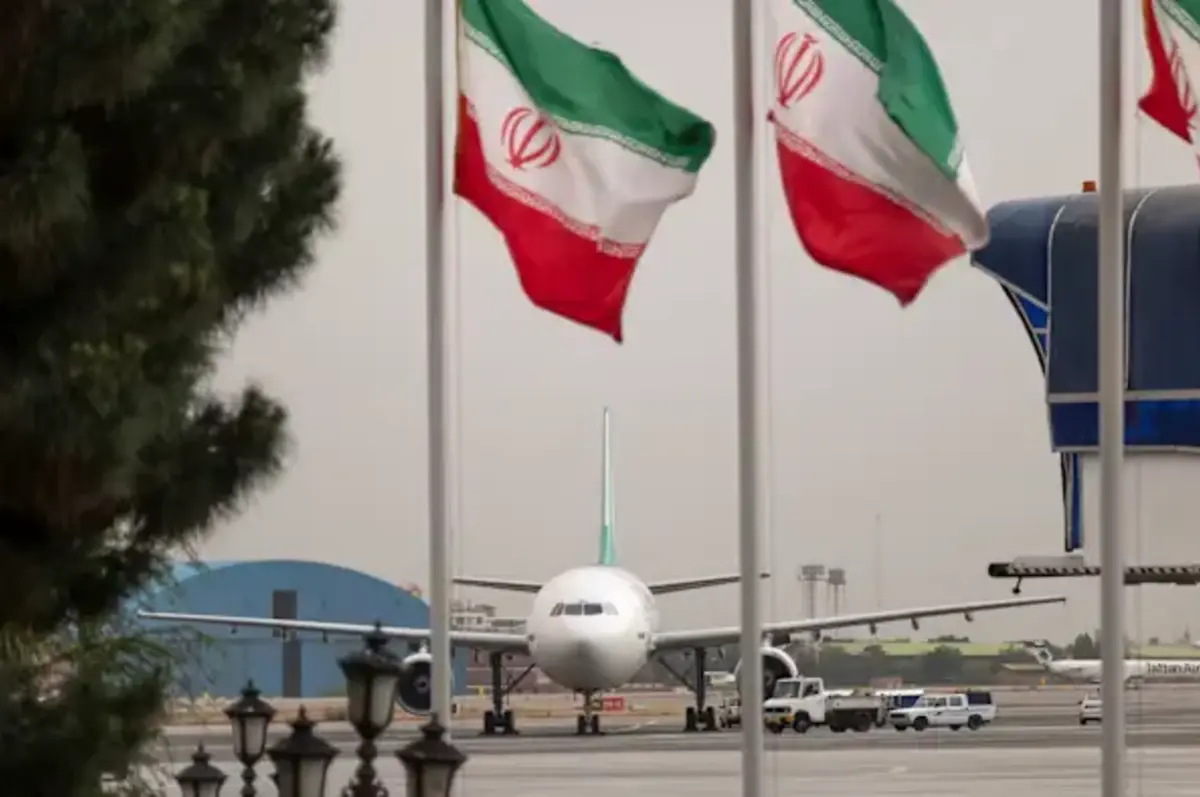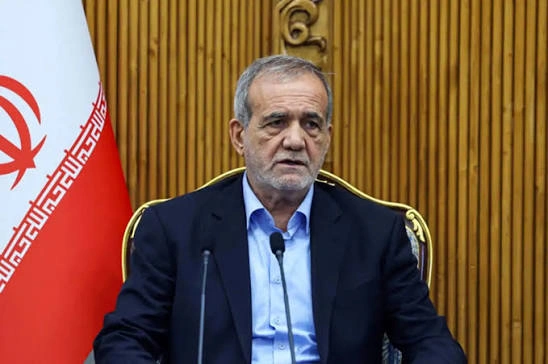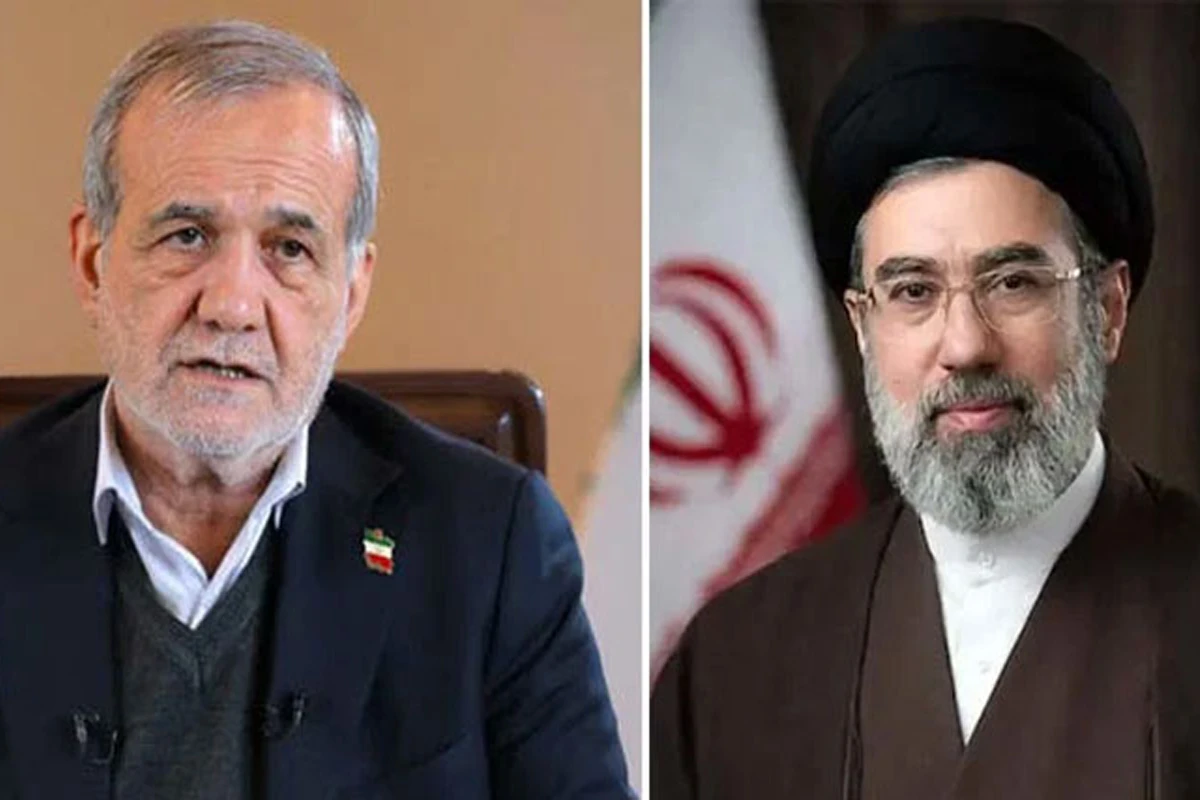

The $300 billion trap: Why Washington’s Iran deal is collapsing before it starts?

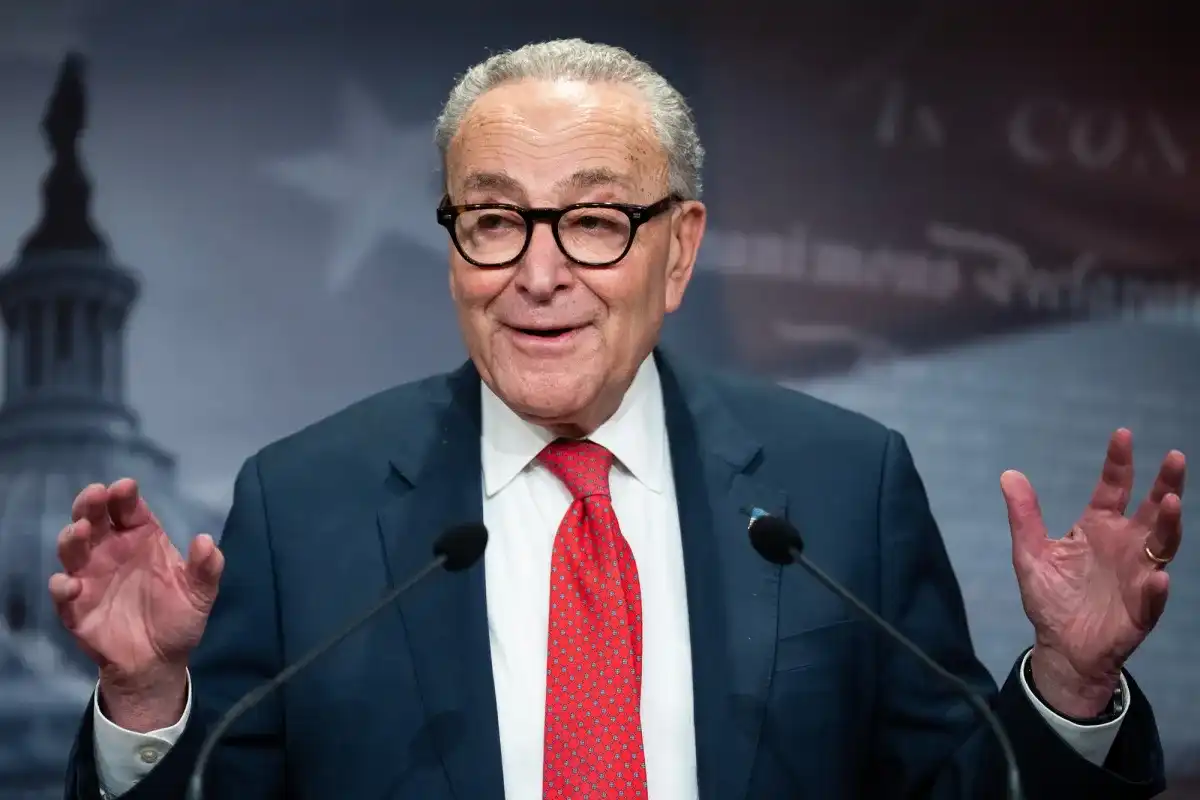
Senate Democrats just drew a legislative line that could kill any Iran agreement before technical talks even begin. Senator Chuck Schumer’s blunt challenge—that Republicans would need to secure their own votes for any Iran funding arrangement—signals deeper fracture within the Trump administration’s diplomatic strategy than previously acknowledged.
The $300 billion figure at the center of this fight isn’t arbitrary. Critics of the emerging US-Iran memorandum of understanding claim this sum represents commitments for Iran’s infrastructure reconstruction and economic recovery—a massive bet on normalization that would require congressional approval or creative funding mechanisms to execute. The Trump administration’s counter-narrative—that the US contributes nothing, only regional neighbors and third parties do—strains credibility precisely because it dodges the central question: who controls the money flow, and under what verification framework?
This mirrors the 2015 JCPOA collapse cycle. International agreements involving sanctioned actors require either direct government funding or complex arrangements through intermediaries that eventually surface under congressional scrutiny. When they do, domestic opponents leverage transparency against diplomatic necessity, and momentum dies.
Schumer’s move is strategically shrewd. By refusing Democratic votes, he eliminates the possibility that Republicans can claim bipartisan cover for controversial concessions to Iran. This forces the Trump administration into a choice: pursue Iran policy with a narrow Republican majority—politically risky for 2026 midterms—or scale back ambitions to win Democratic support through transparency and stronger enforcement mechanisms. Neither path is politically clean.
Historically, Iran funding disputes have destroyed administrations’ credibility. The Obama team faced relentless criticism over sanctions relief under the JCPOA; Trump critics alleged he blocked humanitarian aid to coerce negotiations. Both sides learned that funding Iran—whether direct or indirect—becomes radioactive without public legitimacy and congressional buy-in.
The timing reveals calculation. Trump’s Switzerland talks were already postponed. Adding Democratic legislative obstruction creates cascading delays. Regional allies—Saudi Arabia, UAE, Israel—watch whether Washington can survive its own internal dysfunction long enough to negotiate coherently. Extended uncertainty typically prompts hedging: arms buildups, proxy positioning, and realignment toward China and Russia.
The $300 billion allegation itself deserves scrutiny. If neighboring countries fund reconstruction, infrastructure projects still benefit Iran’s military-industrial complex through dual-use technology absorption and capacity building. That’s why congressional hawks oppose the deal regardless of direct US funding claims—the indirect pathway to Iranian capability enhancement occurs with or without American money.
What’s crystallizing is that Trump’s Iran strategy lacks the political foundation previous administrations possessed. Obama had Democratic unity; Bush had Republican discipline. Trump faces a Democratic Senate minority willing to weaponize legislation and a Republican base increasingly skeptical of foreign entanglements. The $300 billion debate is ultimately about whether Trump can govern foreign policy without consensus.
Without Democratic flexibility, the memorandum of understanding becomes a symbolic gesture without binding force—negotiated but unratifiable, agreed but unimplementable. That’s where we’re headed.
Catch all the World News, Breaking News Event and Trending News Updates on GTV News
Join Our Whatsapp Channel GTV Whatsapp Official Channel to get the Daily News Update & Follow us on Google News.
Must Read


Pakistan
First Jhang Desert Rally, Three-Day Cultural Festival to Begin on October 9
26-September،2026