
Mohsen Rezaei: Iranian Nation Forced the World’s Arrogant Powers to Kneel

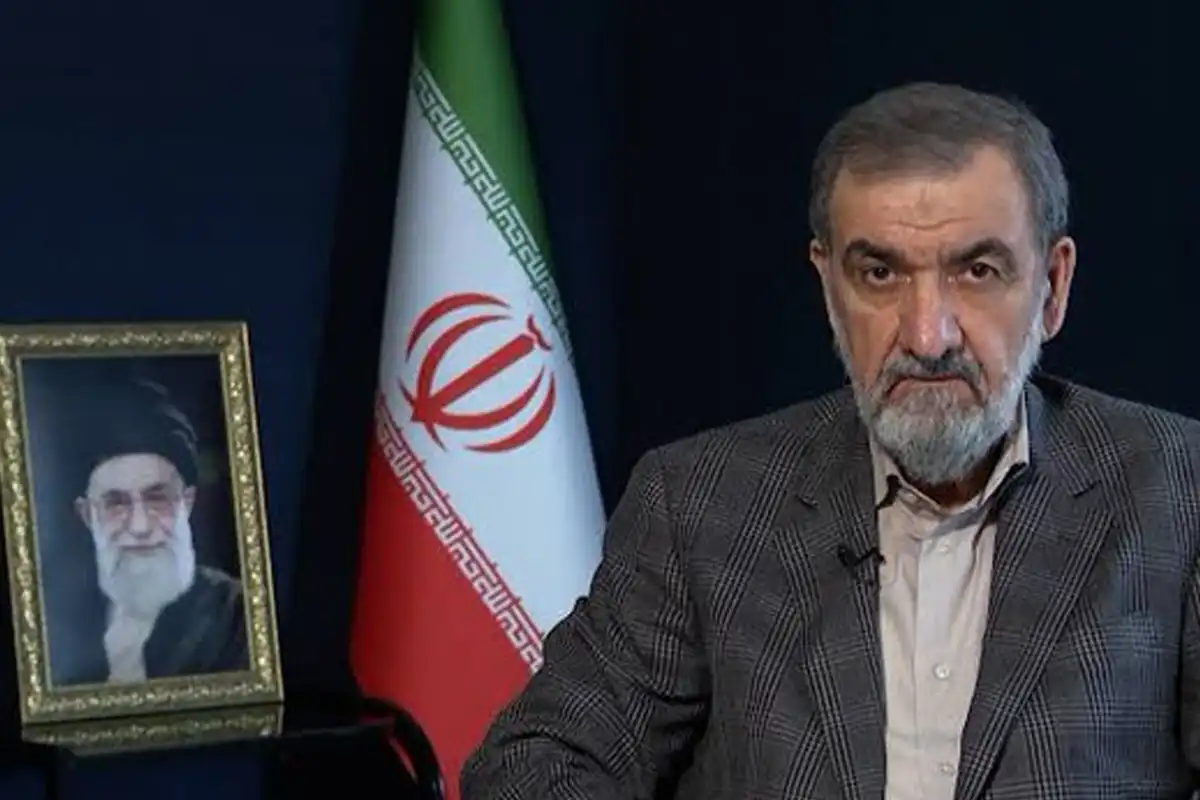
Mohsen Rezaei’s incendiary rhetoric about forcing “the world’s devils to bow” exposes a fundamental contradiction at the heart of Iranian negotiating strategy—the gap between what diplomats say in Switzerland and what revolutionary hardliners proclaim on social media. This isn’t miscommunication. It’s deliberate signaling designed for competing Iranian audiences while simultaneously sabotaging international confidence in any agreement.
Rezaei, as senior advisor to Iran’s Supreme Leader, speaks with authority that transcends typical official commentary. His invocation of a “martyr leader” and vows of revenge target specific domestic constituencies: the Islamic Revolutionary Guard Corps, hardline militias, and the clerical base that views American engagement as ideological surrender. By coupling martyrdom rhetoric with ongoing negotiations, Rezaei signals to Iranian hardliners that capitulation isn’t happening—a necessary political cushion before accepting any deal.
This pattern repeats in Iranian diplomatic cycles. Revolutionary rhetoric intensifies precisely when negotiations approach sensitivity points. The 2015 JCPOA negotiations featured identical cycles: aggressive statements from Tehran’s security apparatus occurring days before substantive concessions were agreed. International observers learned to read inflammatory rhetoric as negotiating cover, not policy intent. But the margin for misinterpretation is razor-thin.
The reference to mourning a martyred leader adds layer. If Rezaei references Supreme Leader Khamenei (unlikely given he remains in power), this signals transition anxiety within Iran’s power structure. More likely, he references regional militia commanders or past leaders—rhetorical anchoring that connects current negotiations to revolutionary history and justifies hardline positions to skeptical constituencies.
What’s strategically dangerous is how this rhetoric plays in Washington. Trump administration officials, already skeptical of Iranian intentions, cite exactly these statements as evidence of bad faith. Senate Democrats use them to argue Iranian commitments aren’t credible. Each inflammatory statement from Tehran makes congressional approval harder, which weakens American negotiators’ leverage. Rezaei may be strengthening Iranian hardliners domestically while inadvertently strengthening American hardliners diplomatically.
Regional powers interpret this differently. Saudi Arabia and UAE view revolutionary rhetoric as confirmation that Iran hasn’t fundamentally moderated. Israel weaponizes such statements to argue against any agreement. Gulf monarchies hedge by accelerating Chinese and Russian engagement, creating alternative power brokers if American-Iranian negotiations collapse.
The revenge formulation particularly destabilizes negotiations. In Iranian political culture, revenge isn’t metaphorical—it carries operational weight. When senior advisors invoke it while diplomats negotiate, they’re maintaining optionality: agreements can be accepted, but so can military escalation. This dual-track approach maximizes Iranian flexibility while creating maximum Western uncertainty.
Historically, such contradictions precede agreement collapse or dramatic escalation. The 1979 embassy hostage crisis began with similarly mixed signals from Tehran. The 2020 Soleimani assassination spiraled partly from escalating Iranian rhetoric preceding it.
The core problem: Iran’s revolutionary system requires ideological consistency with negotiation pragmatism—an impossible balance. Until Iran’s leadership achieves internal consensus on American engagement, every diplomatic initiative will be shadowed by revolutionary rhetoric designed for domestic consumption but destabilizing to international confidence.
Catch all the World News, Breaking News Event and Trending News Updates on GTV News
Join Our Whatsapp Channel GTV Whatsapp Official Channel to get the Daily News Update & Follow us on Google News.
Must Read
Pakistan
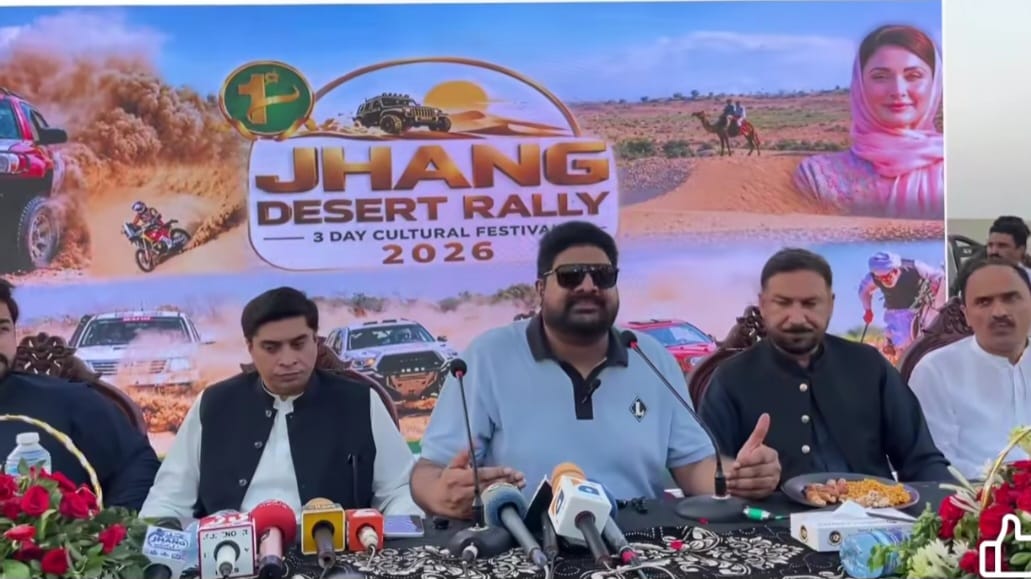
First Jhang Desert Rally, Three-Day Cultural Festival to Begin on October 9
26-September،2026