
Pakistan Considers Buying Cheap Oil and Gas From Iran After US War Ends

Pakistan Considers Buying Cheap Oil and Gas From Iran After US War Ends
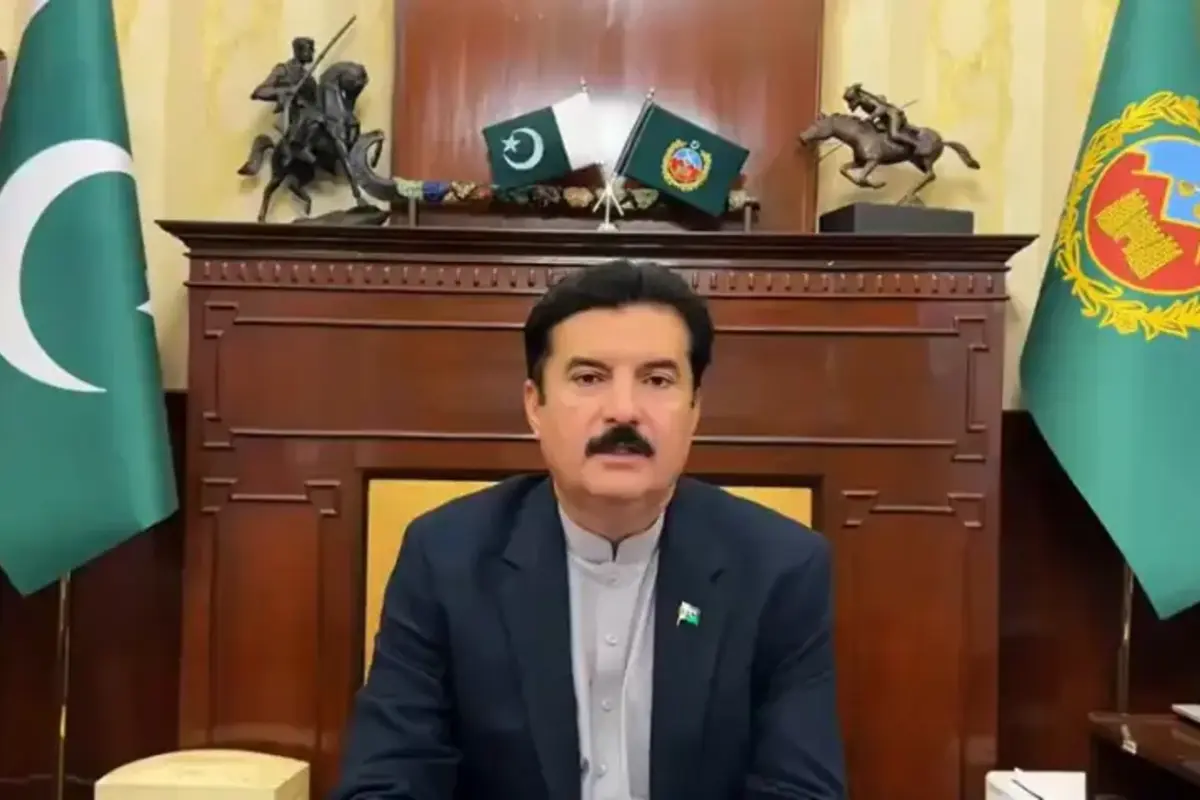
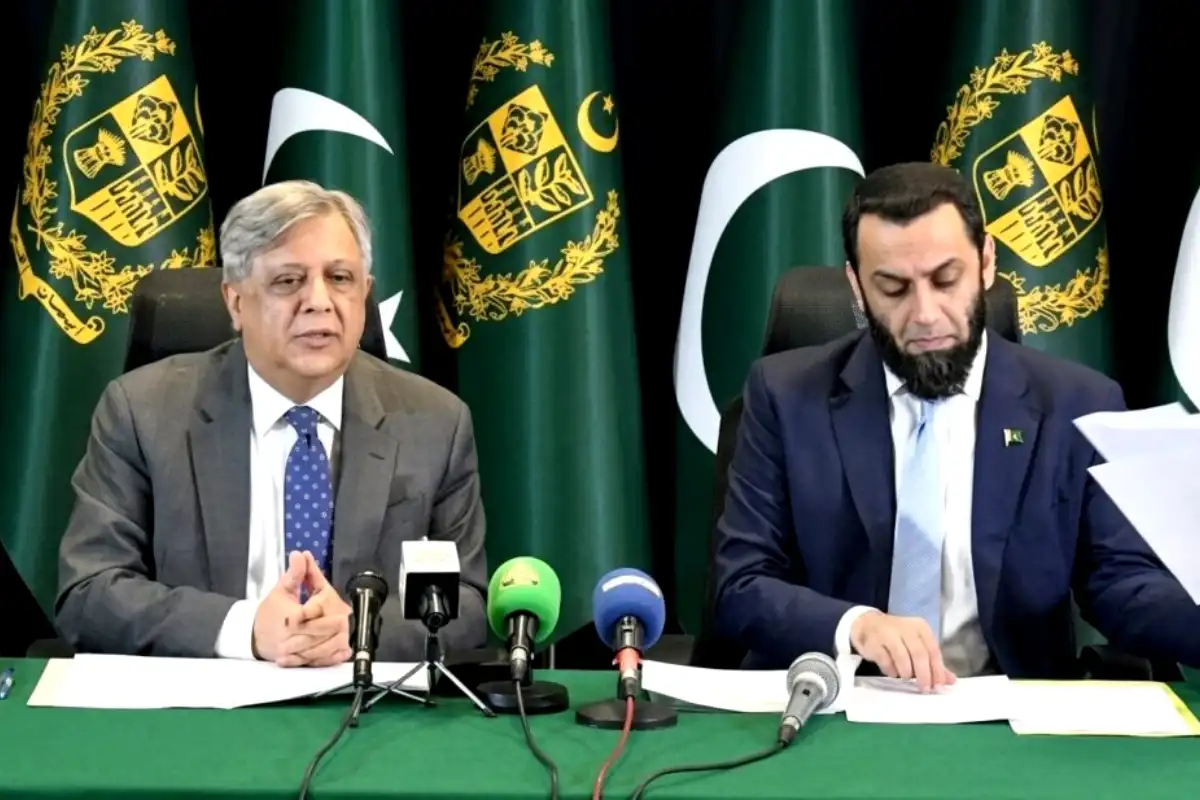
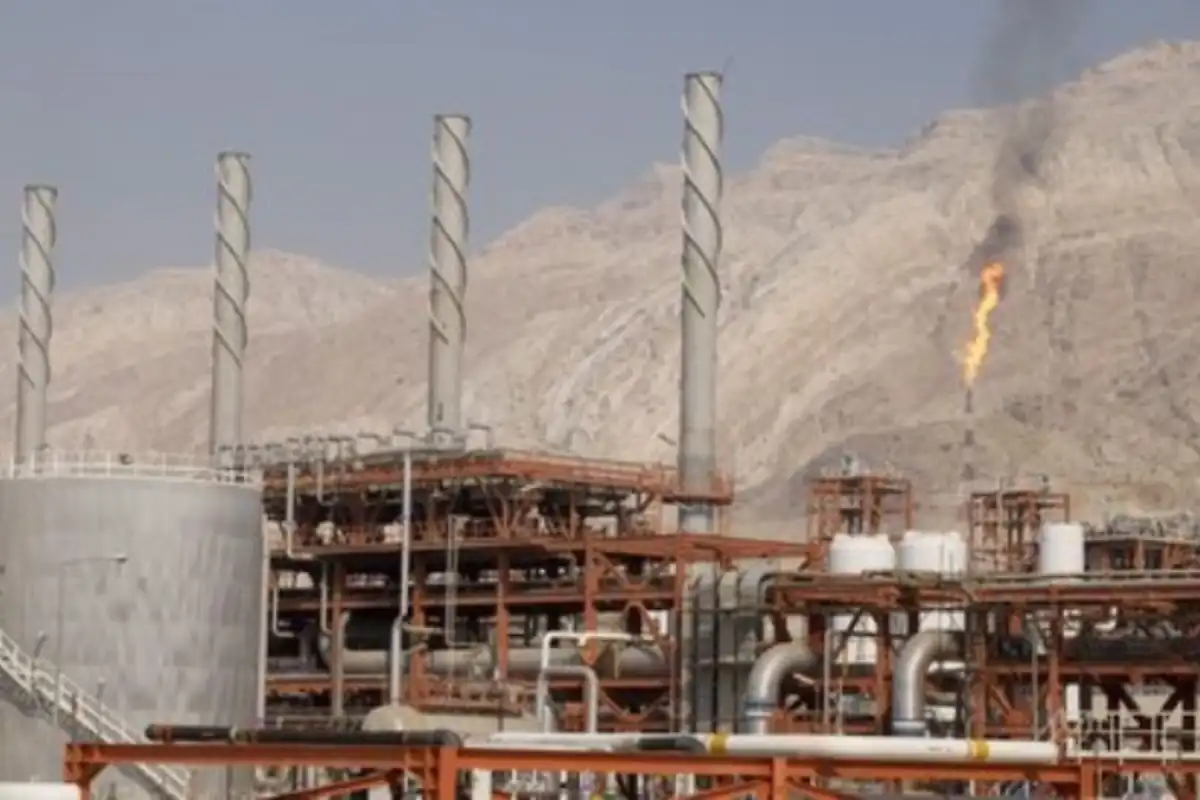
Pakistan is actively weighing the possibility of importing oil and natural gas from Iran at significantly reduced prices following the conclusion of the Iran-US war and the lifting of international restrictions on Tehran, Federal Minister for Petroleum Ali Pervez Malik announced on Sunday.
Speaking to media in Lahore, Minister Malik outlined how the energy landscape had shifted dramatically for Pakistan since the height of the conflict, when petroleum product prices had soared to a peak of Rs460 per litre in April. Since the resolution of hostilities, global energy prices have fallen substantially, providing meaningful relief to Pakistani consumers.
Islamabad MoU Opens the Door to Iranian Energy
The diplomatic breakthrough that made this possible came on June 17, when the United States and Iran signed the “Islamabad Memorandum of Understanding” at Burgenstock in Switzerland — a peace framework largely mediated by Pakistan. A critical component of the agreement was Washington’s commitment to immediately issue sanctions waivers through the US Treasury Department covering the export of Iranian crude oil, petroleum products and derivatives, along with all related services including banking transactions, insurance, and transportation arrangements — waivers that remain in effect until formal sanctions termination is achieved.
This development has opened a practical pathway for Pakistan to explore direct energy trade with its neighboring country at prices far below what it has historically paid on international markets.
Government Passes Relief Directly to the Public
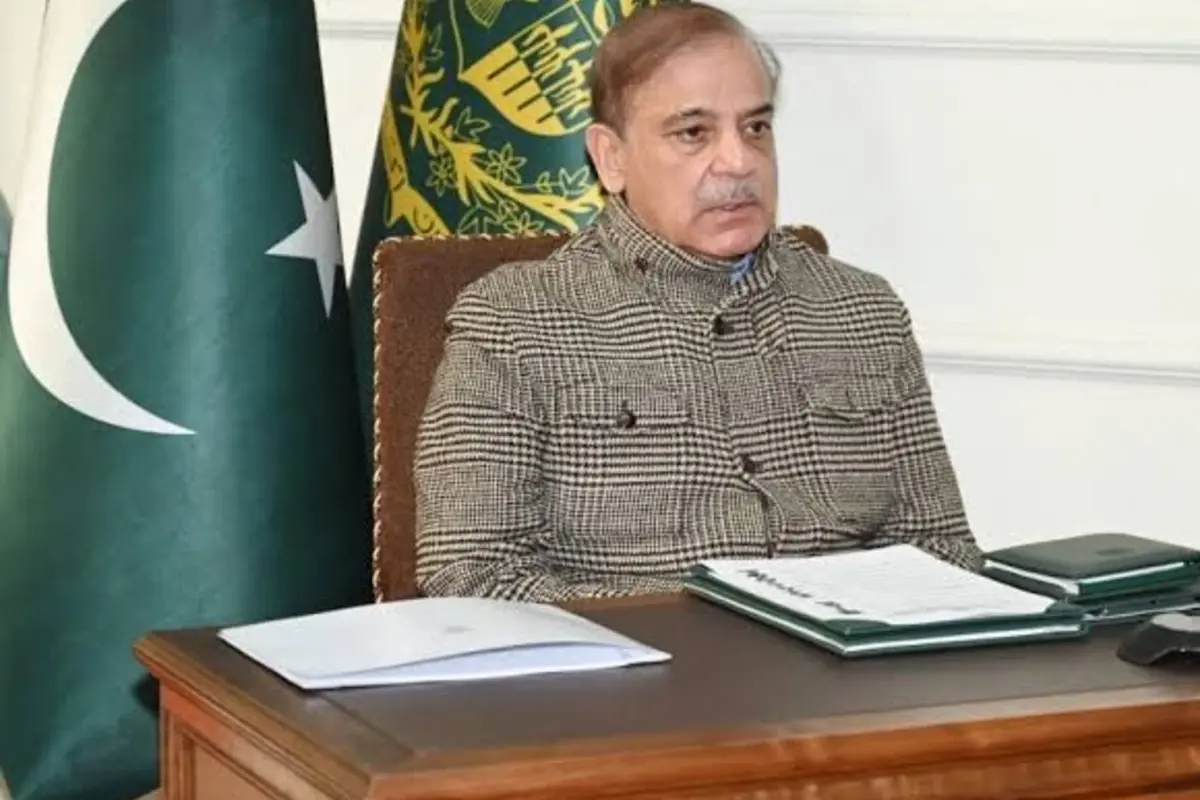
Minister Malik emphasized that Prime Minister Shehbaz Sharif had moved immediately to pass the benefit of falling global energy prices on to Pakistani consumers rather than allowing the savings to be absorbed elsewhere. “We gave the people more benefits than what the international market offered,” Malik said, noting that the relief extended to consumers exceeded the reductions observed in global markets.
The minister acknowledged the hardship that the conflict period had imposed on ordinary Pakistanis, while expressing optimism that the worst was firmly behind the country. “Difficult times last only for a little while — thank God, that time has passed and better days are coming,” he said, adding that the government remained committed to pursuing further reductions in petrol and diesel prices as global markets continued to normalize, within the framework of existing international agreements.
Misleading Information Dismissed
Malik pushed back against what he described as deliberate efforts to confuse the public on petroleum pricing matters, dismissing reports he characterized as misleading and suggesting certain elements were intentionally spreading false information about the government’s fuel pricing decisions.
Oil Companies, RLNG, and Transparency Measures
On the subject of oil companies, the minister confirmed that while no formal written communication had been received, company representatives had met with him directly to share their concerns — concerns he said he had heard and would consider. He also announced that suspended RLNG connections would be restored in the near future, a development expected to provide additional relief to industrial and domestic consumers.
In a separate disclosure, Malik revealed that he had personally installed surveillance cameras at his own textile mills as part of a commitment to transparency and to address concerns raised by the Federal Board of Revenue. He called for similar camera installations at ginning factories across the country on the same grounds.
Catch all the Pakistan News, Breaking News Event and Trending News Updates on GTV News
Join Our Whatsapp Channel GTV Whatsapp Official Channel to get the Daily News Update & Follow us on Google News.
Must Read
Pakistan
Funeral Prayers Held for Major Hasnain Shahzad Humayun and Captain Abdul Samad
13-October،2026