Iranian Speaker Qalibaf Signals US Must Accept New Regional Economic Realities Post-Conflict

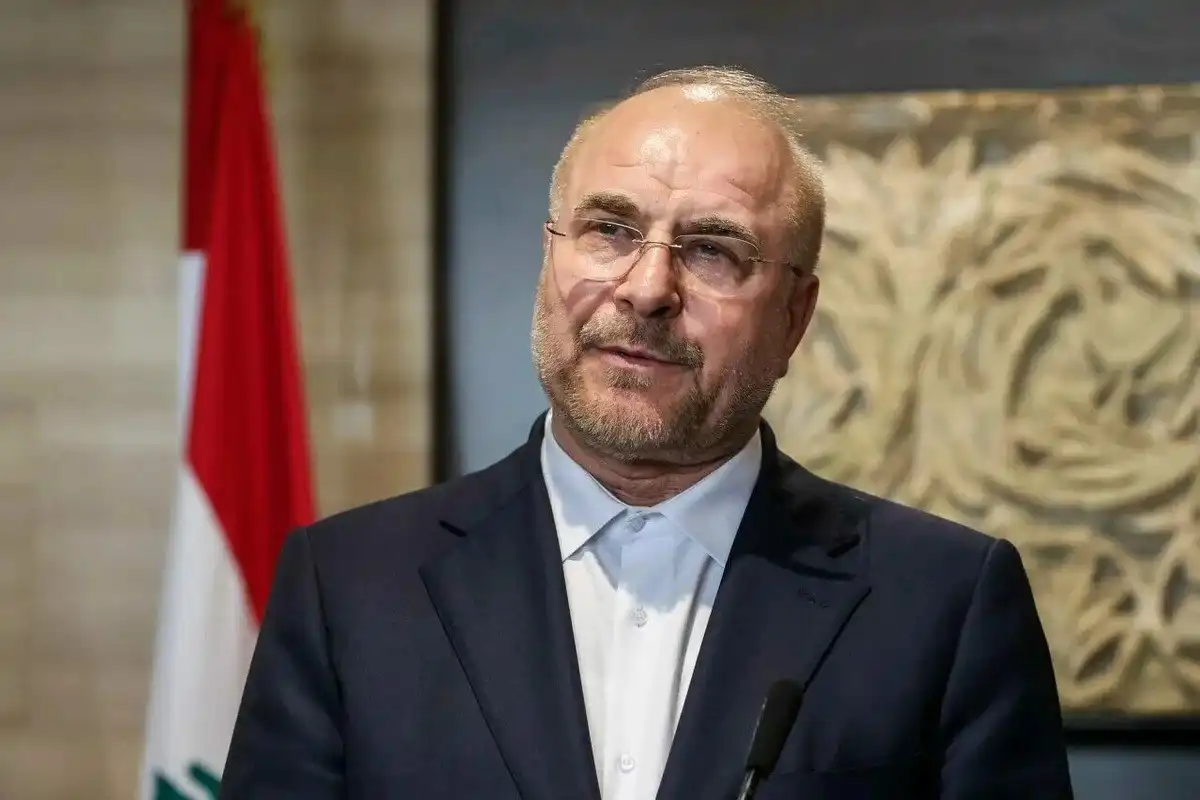
Qalibaf says Trump deleted Hormuz tweet after mediators’ request
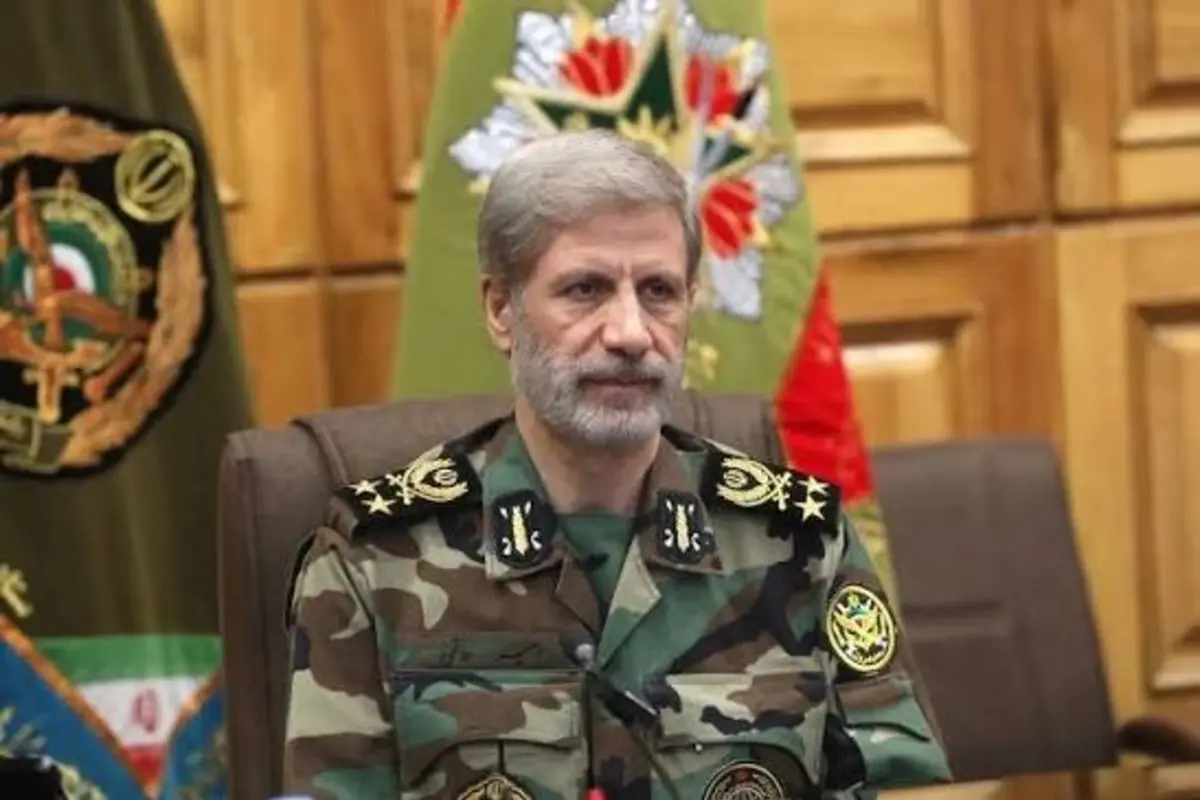
Iranian Parliament Speaker Baghir Qalibaf indicated that the conflict’s conclusion has fundamentally altered regional dynamics, requiring the United States to acknowledge new geopolitical realities affecting trade relations and sanctions architecture. His remarks signal Iranian confidence that military demonstration has created negotiating leverage reshaping economic discussions between Washington and Tehran.
Qalibaf’s statements, made during diplomatic engagements with parliamentary representatives from Uzbekistan and China, emphasized that post-conflict conditions differ substantially from pre-war assumptions. He suggested that US policymakers must recognize these changed circumstances when evaluating sanctions policies and trade possibilities with Iran.
The Iranian speaker explicitly rejected excluding indirect or expanded commercial relationships between Iran and the United States. This language suggests Iranian openness to graduated sanctions relief through negotiated pathways, conditional on US acknowledgment that previous maximalist positions are no longer operationally viable. The framing positions Iran as willing negotiator while implying US intransigence requires correction.
Qalibaf highlighted emerging trade opportunities through transit corridors and regional cooperation mechanisms. He emphasized that diminished US military presence in the Gulf—resulting from conflict costs and Iranian deterrent demonstration—creates space for Iranian-led regional arrangements. Specifically, he referenced Iran-Oman joint management of the Strait of Hormuz, positioning shared responsibility as superior to external power dominance.
The Iranian speaker warned that Israel might attempt sabotaging any Iran-US commercial arrangements, yet expressed confidence that Iran’s defensive capabilities would prevent renewed conflict escalation. This dual messaging—acknowledging disruption risk while asserting deterrent confidence—frames Iran as stabilizing force despite Israeli destabilization potential.
Qalibaf’s discussion of China-Iran relations emphasized strategic partnership during difficult periods. He characterized China as reliable ally maintaining commitment despite international pressure, positioning Beijing-Tehran cooperation as foundation for regional stability. His reference to facilitating Chinese maritime passage through the Strait represents practical commitment to integrating China into regional economic frameworks.
The remarks reveal Iranian strategic calculation that military demonstration has fundamentally altered negotiating parameters. By inflicting measurable damage on Israeli infrastructure while maintaining deterrent capability, Iran has allegedly created conditions where US officials must revise assumptions about Iranian weakness or desperation. This assessment—whether accurate or overconfident—shapes Iranian negotiating positions significantly.
The emphasis on diminishing US military presence through conflict costs suggests Iranian belief that sustained military pressure produces strategic erosion in American regional position. If accurate, this creates incentive structure favoring negotiated accommodation to US demands. If overestimated, it could produce miscalculation regarding American willingness to sustain regional commitments.
Qalibaf’s openness to sanctions relief through negotiated pathways—rather than unilateral US reversal—indicates Iranian recognition that comprehensive sanctions removal requires diplomatic progress. Yet the framing implies Iran has established sufficient leverage that relief becomes conditional on US recognition of Iranian strength rather than Iranian capitulation.
The parliamentary speaker’s emphasis on organized strategy and political solutions suggests Iranian acceptance that continued military escalation produces diminishing returns. This positioning permits transition toward negotiated frameworks without signaling weakness—conflict created conditions requiring diplomatic resolution rather than military victory.
Whether US policymakers view these statements as genuine negotiating openness or strategic positioning remains to be determined through subsequent diplomatic engagement.
Catch all the World News, Breaking News Event and Trending News Updates on GTV News
Join Our Whatsapp Channel GTV Whatsapp Official Channel to get the Daily News Update & Follow us on Google News.
Must Read
Pakistan
PIMS Breaks Silence on Imran Khan’s Eye Examination – Key Details Remain Hidden
22-August،2026