
14 Martyred, 78 Wounded as US Renews Assault on Iranian Provinces, Ceasefire Completely Collapses

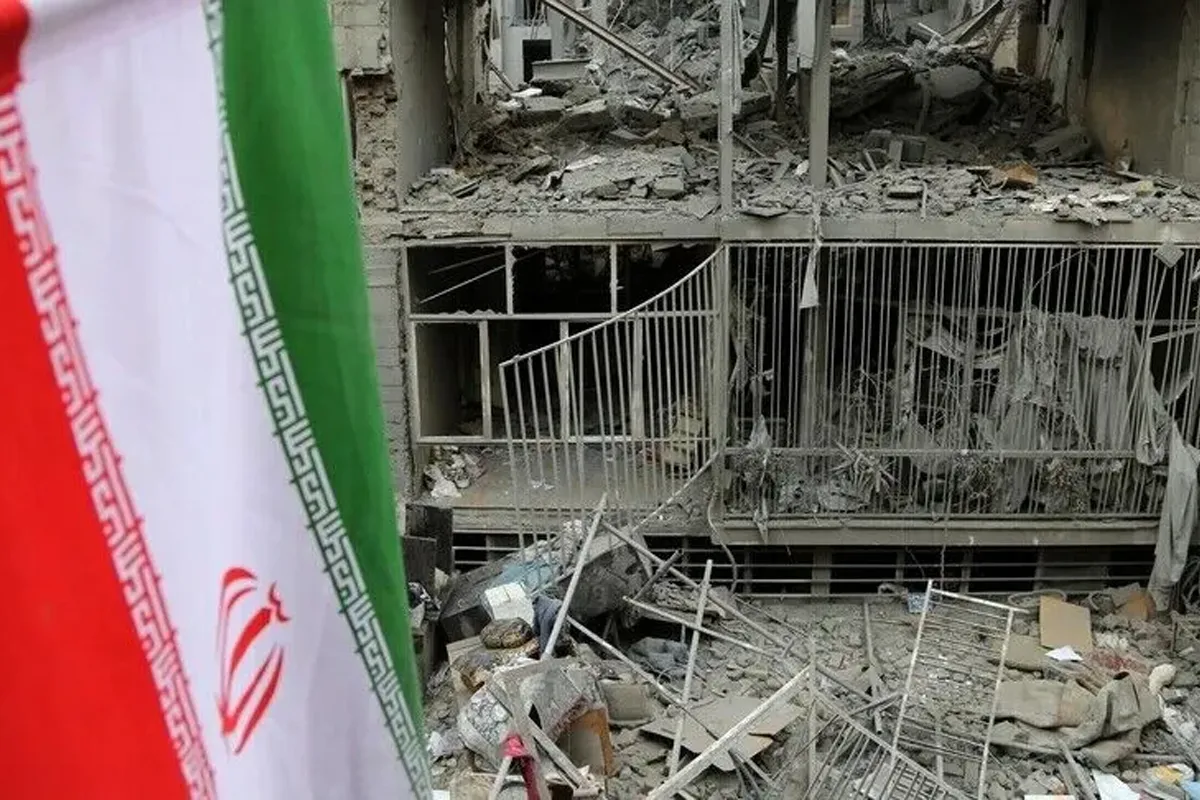
Fourteen Iranians have been martyred and 78 others wounded across five provinces following renewed American military strikes on July 8-9, according to Iran’s Health Ministry.
The casualty figures document the human cost of American treaty violations and complete ceasefire collapse, as the US abandoned the June 17 Pakistan-brokered memorandum of understanding through successive waves of military aggression.
Iran’s Health Ministry head Hossein Kermanpour confirmed that American strikes targeted multiple Iranian provinces simultaneously, demonstrating coordinated assault across the nation’s geography. Among the martyred: three civilians killed in strikes near Ahvaz in southwestern Iran, with Khuzestan Province Deputy Governor Valiollah Hayati confirming the deaths from aerial bombardment targeting populated areas.
The casualty pattern reflects American targeting of populated regions rather than exclusively military installations. Of the 78 wounded, 47 remain hospitalized with serious injuries requiring ongoing medical treatment—indicating that American strikes inflicted substantial trauma requiring extended health system engagement. The disparity between martyred (14) and wounded (78) suggests that for every life lost, multiple civilians sustained injuries limiting their productive capacity.
US Central Command claimed operations targeted 170 military sites over two days—a figure suggesting comprehensive assault rather than targeted military response. The stated targets—air defense systems, coastal surveillance assets, missile infrastructure, drone facilities, and IRGC installations—indicate that American planners designed strikes to systematically degrade Iranian defensive capability while killing civilians in proximity to military infrastructure.
The strategic context reveals American bad faith regarding ceasefire commitment. The June 17 memorandum explicitly prohibited military operations and established 60-day negotiation window. Rather than honoring this commitment, American leadership used the ceasefire period to prepare expanded military operations. Trump’s July 8 declaration that the memorandum was “over” represented formal abandonment of negotiated settlement, replacing diplomacy with military escalation.
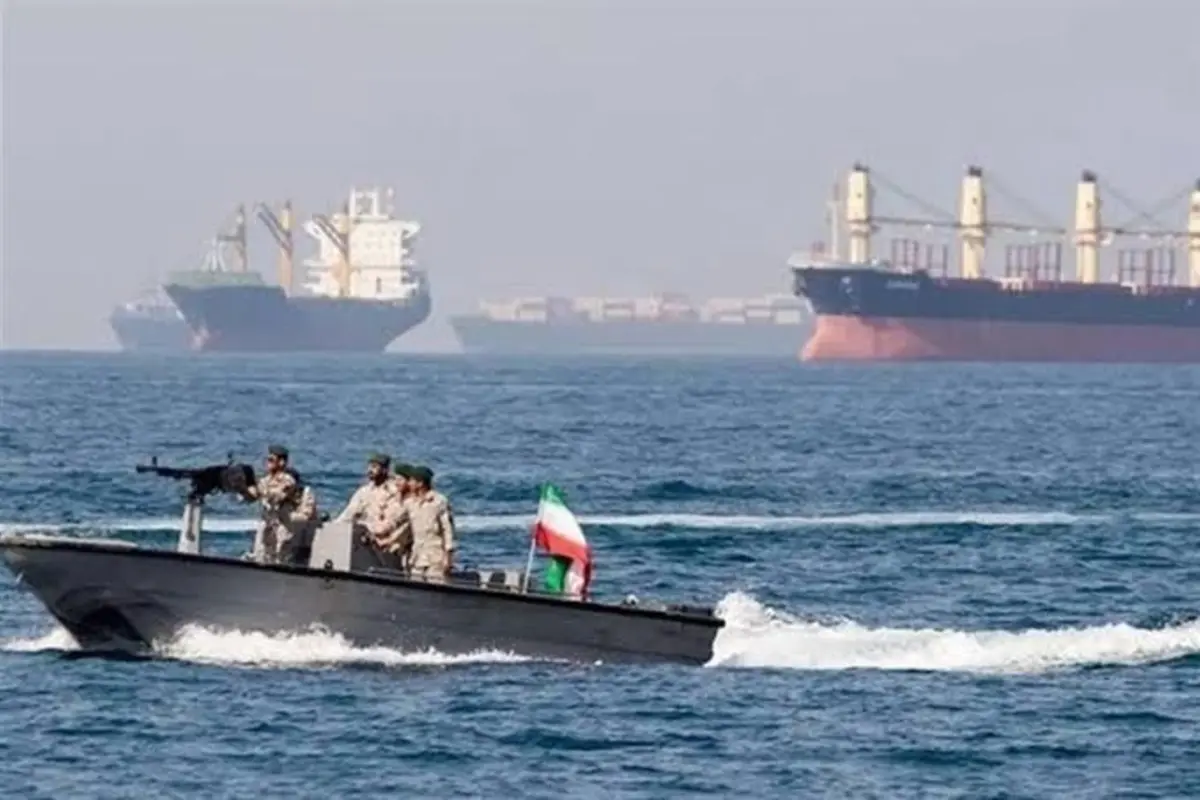
The causality chain reveals American responsibility. US accusations regarding Iranian attacks on commercial vessels—themselves disputed by Iranian assertions that uncoordinated shipping routes encounter operational risk—provided pretext for successive American strikes. The proportionality doctrine of international humanitarian law prohibits responses exceeding the provocation magnitude; American strikes on 170 military sites vastly exceed any legitimate response to alleged vessel attacks.
The 14 martyred civilians represent irretrievable loss to Iranian families and society. Each martyred individual had familial dependents, community roles, and life projects interrupted by American military action. The wounding of 78 others generates cascading social consequences: displaced workers, medical system strain, family economic disruption, and psychological trauma extending beyond immediate physical injury.
The geographic distribution across five provinces demonstrates that American strikes were not concentrated on border regions but penetrated deep into Iranian territory. The targeting of Ahvaz—located 700+ kilometers from the Persian Gulf—indicates that American aircraft traversed substantial Iranian airspace, suggesting either inadequate Iranian air defenses or American air superiority enabling deep penetration operations.
Iranian Health Ministry documentation of casualties through official channels establishes factual record of American military impact. By publishing casualty figures immediately, Iran establishes international record contradicting American claims that strikes targeted exclusively military installations. The civilian casualty documentation—47 hospitalized, multiple martyred—proves that American operations caused civilian harm violating international humanitarian law.
The ceasefire collapse represents ultimate failure of diplomatic effort. Despite Pakistani mediation, Iranian negotiating flexibility, and American initial agreement, Washington abandoned the framework within weeks. This pattern—agreements followed by violations followed by abandonment—characterizes American diplomatic behavior, establishing that Iranian skepticism regarding American commitments proves justified by operational behavior.
Catch all the World News, Breaking News Event and Trending News Updates on GTV News
Join Our Whatsapp Channel GTV Whatsapp Official Channel to get the Daily News Update & Follow us on Google News.
Must Read


Pakistan
PM Shehbaz Sharif Reaffirms Solidarity with Saudi Arabia in Call with Crown Prince
13-September،2026