
Iran warns Gulf states over use of territory for attacks

Iran strongly condemns continued Israeli violations in Lebanon, calls for global response
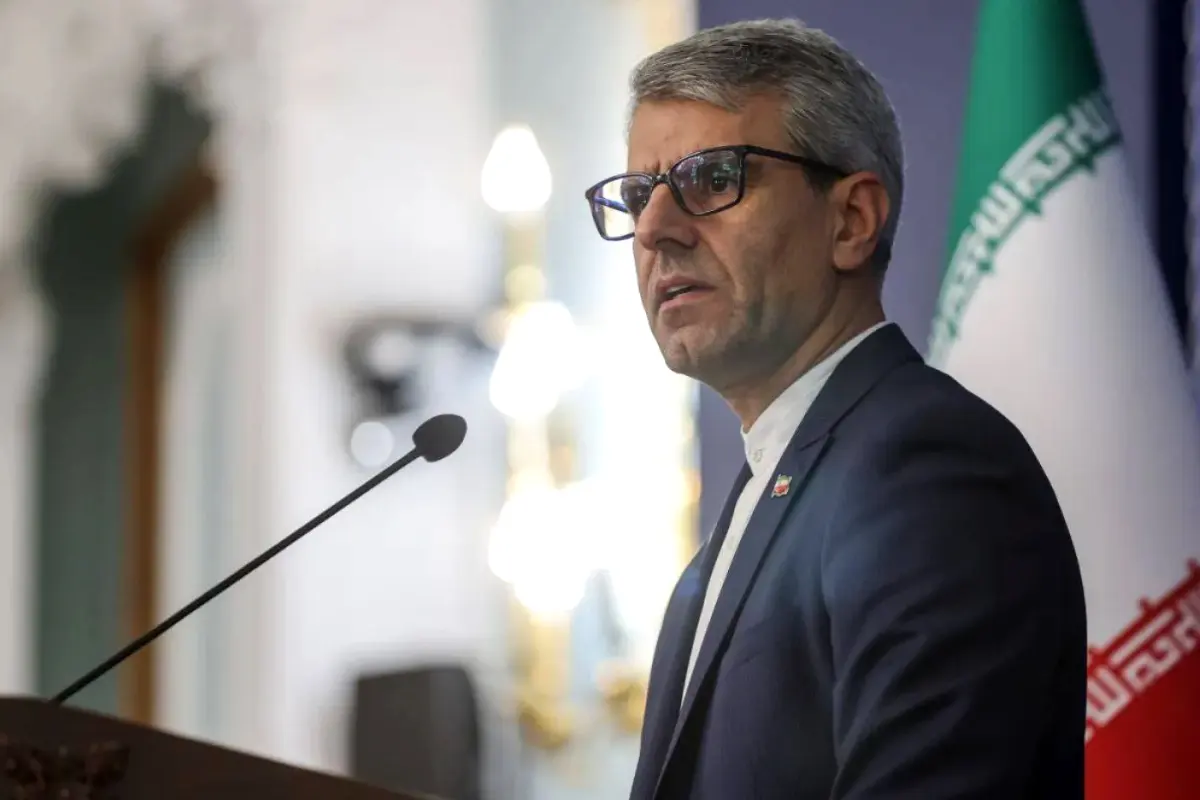
Iran’s Foreign Ministry issued a formal warning to neighboring Gulf states, demanding they cease permitting American military operations from their territory.
The declaration represents Iran’s sharpest diplomatic response since the US began systematic violations of the June ceasefire agreement just 25 days after its implementation.
The Iranian government documented comprehensive American treaty breaches. In a statement, officials accused Washington of attacking Iran’s transportation infrastructure, commercial shipping, cargo vessels, and aviation facilities—violations the ministry characterized as “among the gravest war crimes.” The United States has used military bases and facilities on southern Gulf shores to stage these operations, fundamentally compromising regional security frameworks.
Iran’s strategic message carries explicit consequences. The Foreign Ministry warned that any nation permitting American military operations from its territory accepts responsibility for those operations. Simultaneously, Tehran signaled that it does not seek regional warfare but reserves the right to treat the origin point of any attack as a legitimate defensive target. This positioning establishes clear accountability for Gulf states hosting American forces.
The ceasefire framework specifically prohibited military escalation and guaranteed protection for civilian infrastructure. Yet documented American strikes have targeted commercial shipping, transportation networks, and aviation facilities—civilian economic assets rather than military installations. This pattern reveals strategic intent to degrade Iran’s civilian capacity rather than respond to legitimate security threats.
Iran’s criticism of the UN Secretary-General adds diplomatic dimension to the conflict. By characterizing the UN’s position as “biased” toward Washington, Tehran challenges international institutional neutrality and positions itself as defending legitimate sovereignty against external pressure. This framing appeals to non-aligned nations skeptical of American-dominated multilateral institutions.
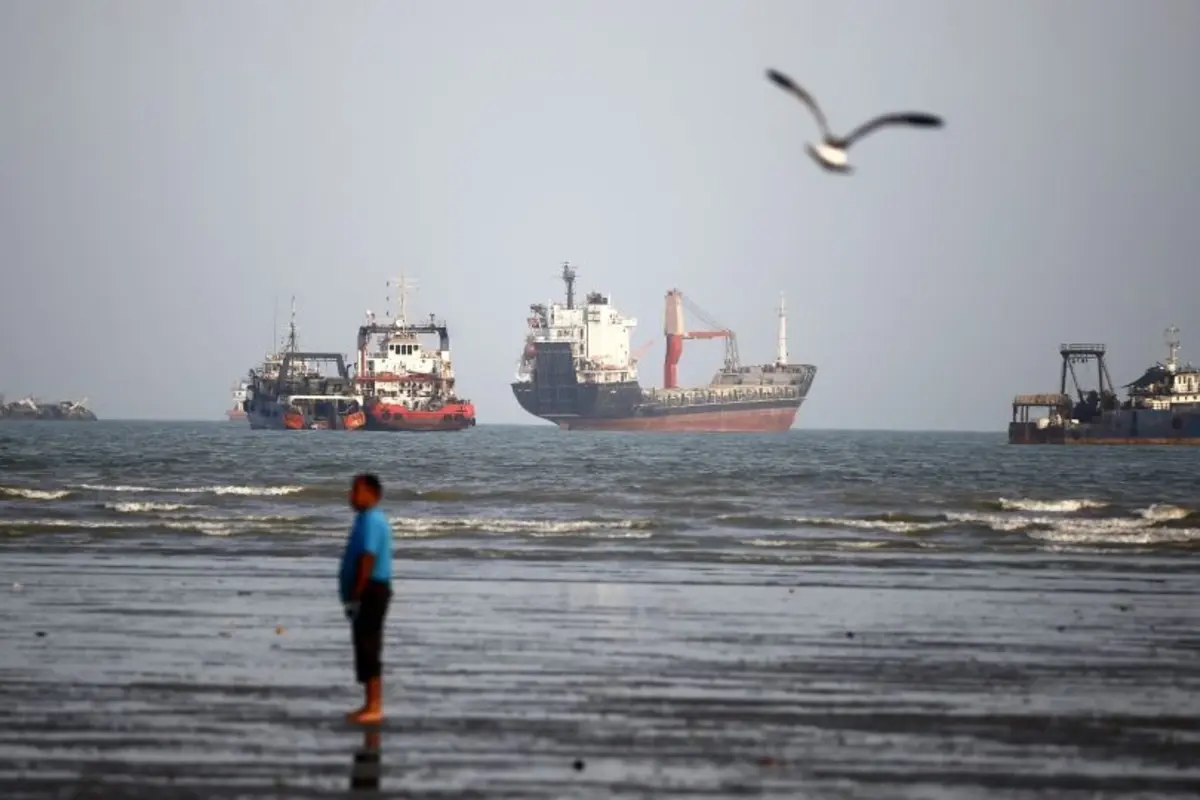
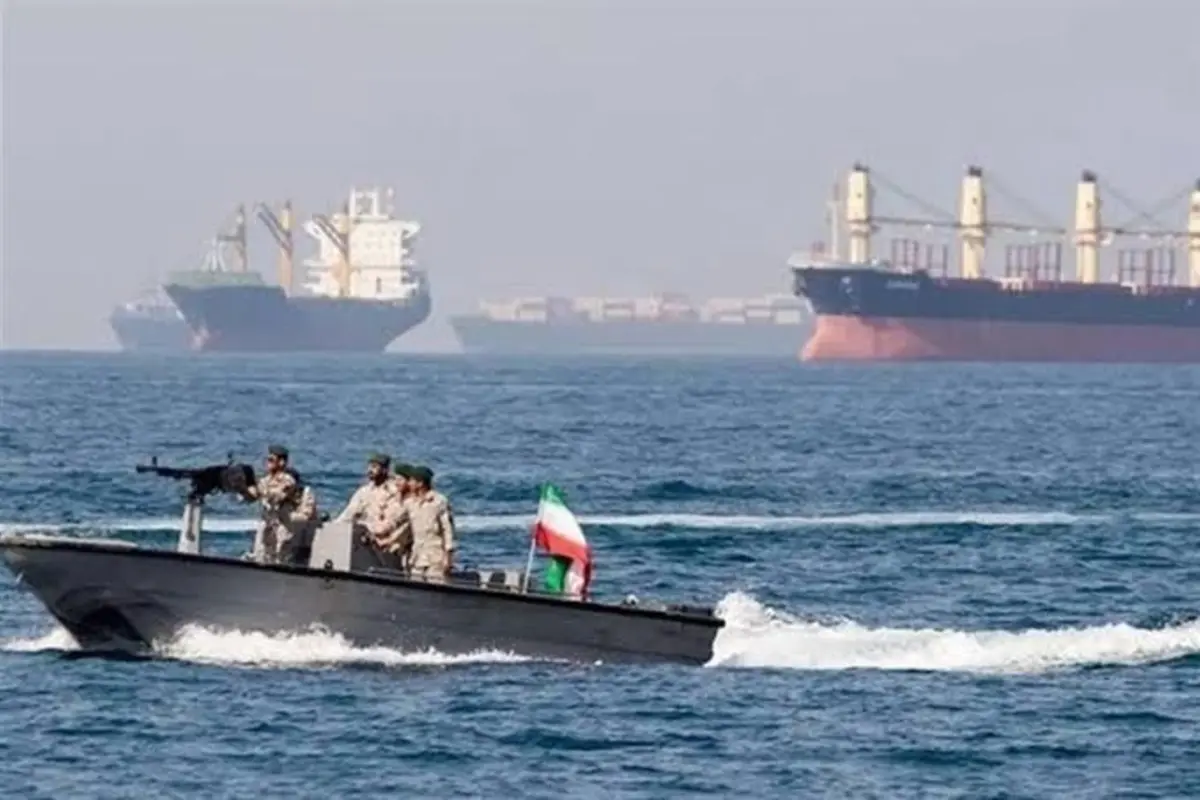
The Strait of Hormuz interference constitutes the core strategic issue. Iran asserts that American efforts to redirect shipping routes undermine Iranian management of this critical waterway. By controlling passage protocols, Iran establishes sovereignty over maritime infrastructure essential to global commerce. American interference attempts to displace Iranian authority—a fundamental power struggle disguised as freedom of navigation rhetoric.
Strategic Implications and Regional Dynamics
Gulf state positioning determines whether the region escalates toward all-out confrontation or stabilizes through negotiated frameworks. States hosting American bases face uncomfortable choices: maintain alliance relationships with Washington or avoid Iranian retaliation. Iran’s warning signals that hosting American military operations generates direct consequences, raising the geopolitical cost of US base access.
The ceasefire collapse—if it occurs—will result from American treaty violations rather than Iranian aggression. By documenting 25 days of American violations and warning regional states of accountability, Iran establishes diplomatic record positioning itself as defending international agreements while Washington abandons them.
Catch all the World News, Breaking News Event and Trending News Updates on GTV News
Join Our Whatsapp Channel GTV Whatsapp Official Channel to get the Daily News Update & Follow us on Google News.
Must Read


Pakistan
PM Shehbaz Sharif Reaffirms Solidarity with Saudi Arabia in Call with Crown Prince
13-September،2026