Gadani Ship Recycling Resumes After Eight-Year Halt

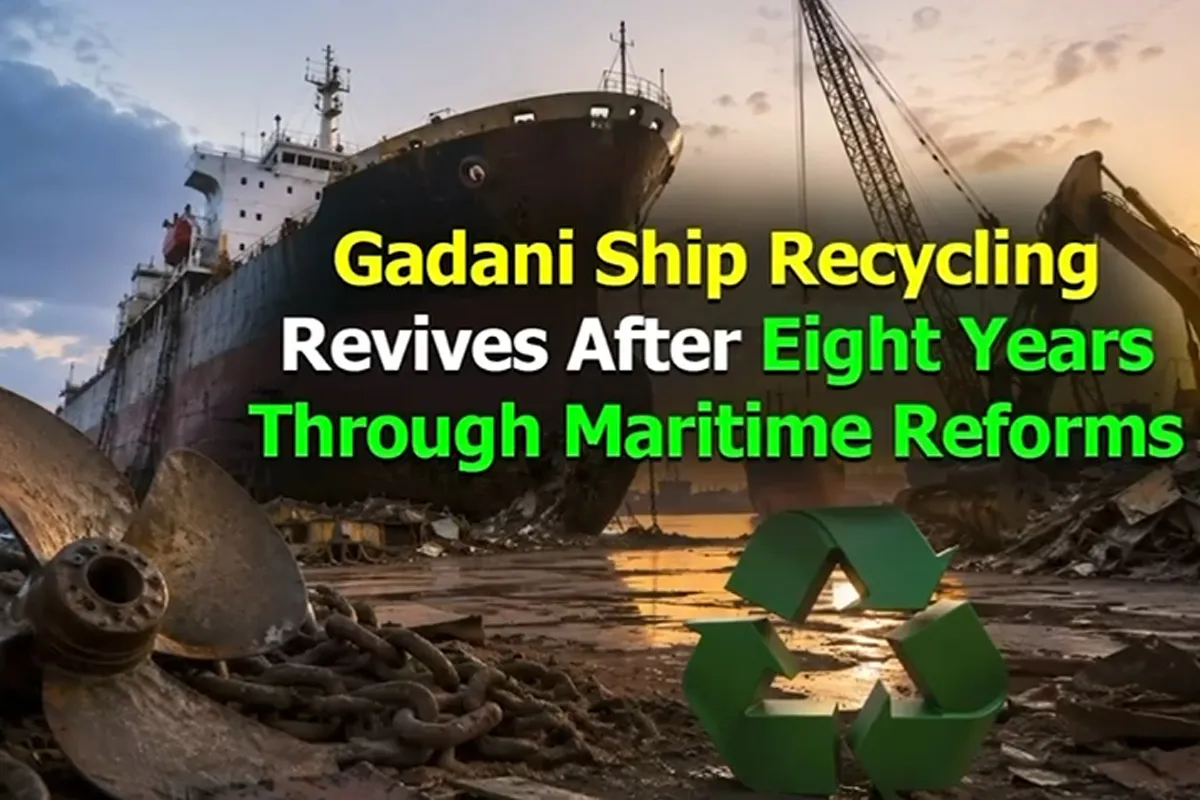
Seven ships have dropped anchor at Gadani for recycling, marking the yard’s first activity in eight years. The revival follows reforms pushed by Pakistan’s Maritime Task Force, which includes the National Logistics Corporation among other state bodies working to rebuild an industry that had gone dormant.
The shutdown wasn’t incidental. Gadani, once among the world’s largest ship-breaking yards, lost international business over the past decade as buyers increasingly required compliance with global environmental and safety standards the site couldn’t meet. That gap is now closing: of Gadani’s 16 recycling yards, nine have been upgraded to meet Hong Kong Convention standards, while the remaining seven are undergoing inspection.
The federal government has formally classified ship recycling as an industrial sector, a bureaucratic shift that opens the door to more structured investment and oversight. Modernization is proceeding under International Maritime Organization guidelines, and authorities plan to build dedicated treatment, storage, and disposal facilities at the site — infrastructure aimed at containing the environmental hazards, like fuel residue and hazardous materials, that have historically made ship-breaking a contentious industry along Pakistan’s coast.
The economic case is substantial. Each recycled vessel is expected to add roughly $25 million to the national economy. Once fully operational, Gadani is projected to supply nearly 30% of Pakistan’s steel scrap needs — a meaningful dent in an import bill that has strained the country’s foreign exchange reserves for years.
The environmental stakes matter just as much as the economic ones. Ship-breaking yards worldwide have faced criticism for coastal contamination and threats to marine life, and Gadani’s earlier decline was partly tied to those same concerns. The new treatment and disposal facilities are meant to signal that this revival won’t repeat past environmental shortcuts.
Whether Gadani regains its former standing depends on sustained compliance, not just this initial batch of ships. If the remaining yards clear inspection and the promised waste-handling infrastructure materializes, the sector could re-emerge as a genuine contributor to Pakistan’s maritime economy — rather than a cautionary tale about environmental and regulatory neglect.
Catch all the Business News, Breaking News Event and Trending News Updates on GTV News
Join Our Whatsapp Channel GTV Whatsapp Official Channel to get the Daily News Update & Follow us on Google News.
Must Read