Trump’s Iran Offensive Triggers Political Fallout as US Lawmakers Demand War Powers Limits

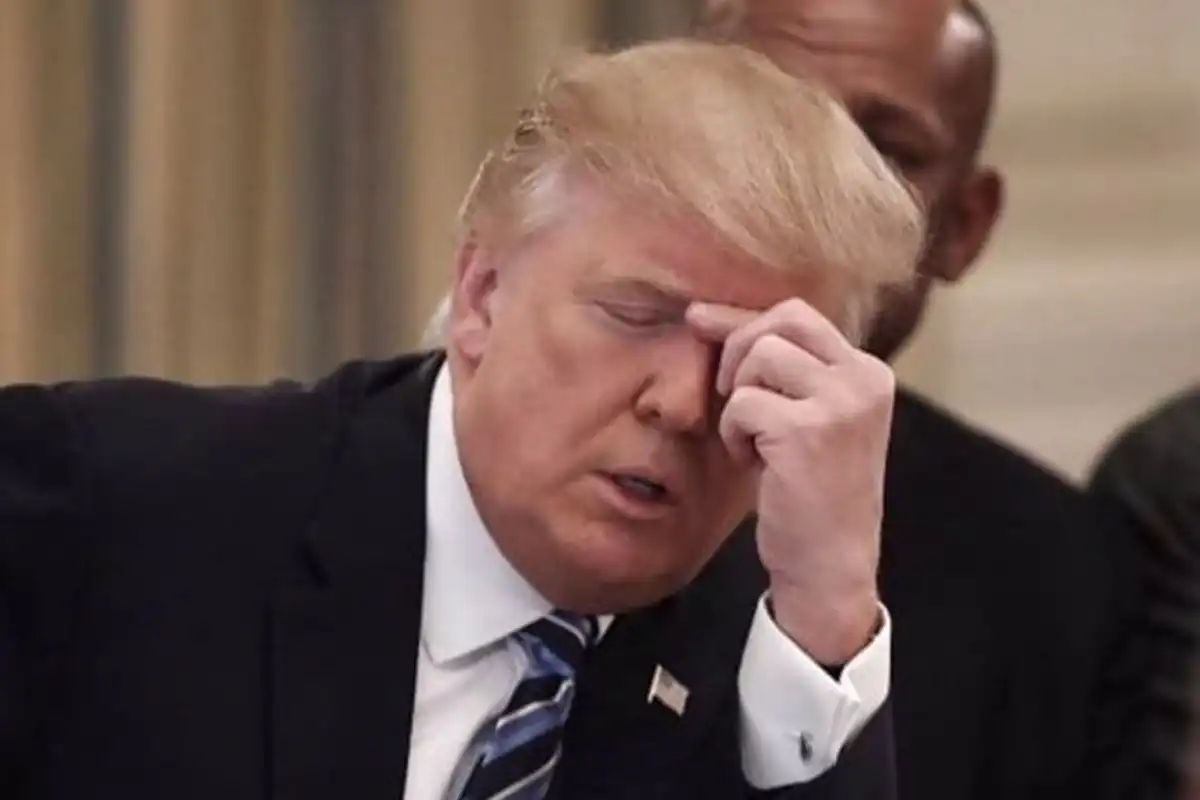
Trump Moves From Boredom to Denial After Six Months of War on Iran
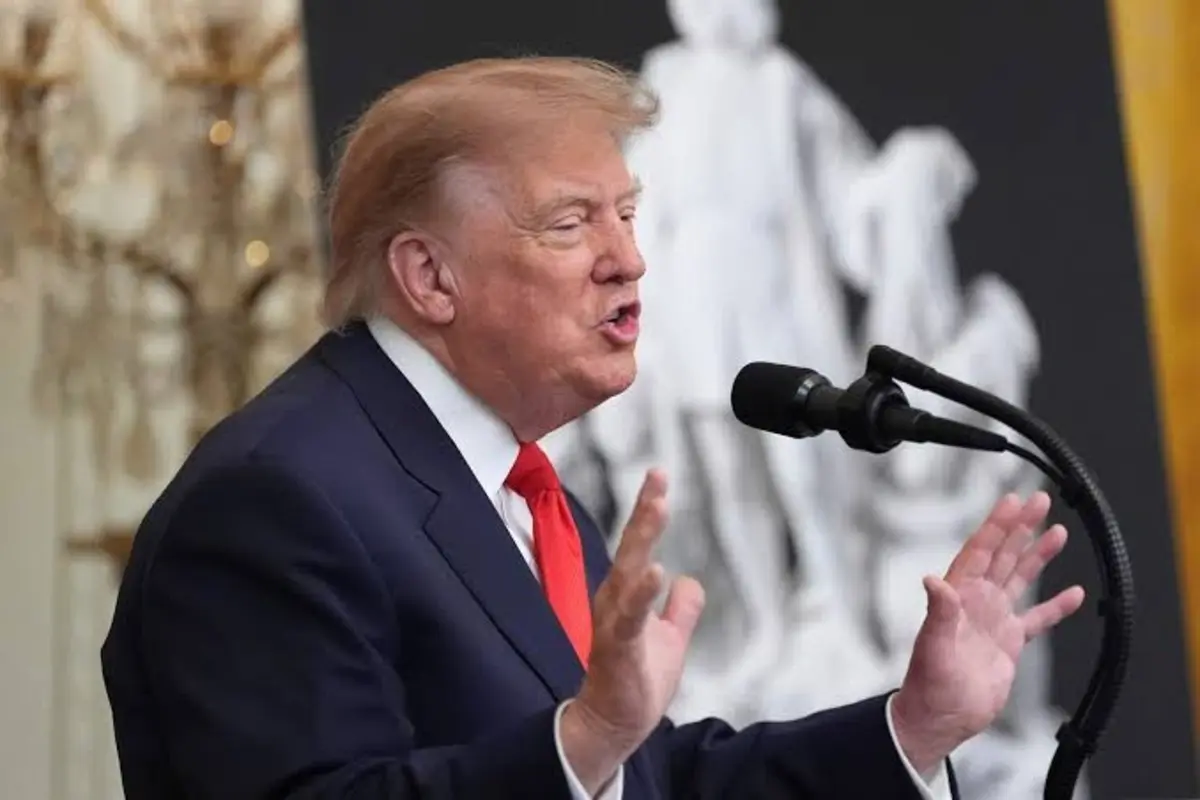
The Republican-led US House voted 214-208 Thursday to direct President Trump to halt military action against Iran without congressional approval, with four Republicans joining Democrats to pass the war powers resolution.
Hours later, the Senate voted 49-47 to block a separate but similar measure, highlighting a split between the two chambers on an issue that has repeatedly divided lawmakers along non-traditional lines since the conflict began.
The House resolution, introduced by Washington Democrat Pramila Jayapal, directed Trump to remove US armed forces from hostilities against Iran unless Congress specifically authorizes continued action. Despite the vote’s significance as a rare bipartisan rebuke, the measure remains largely symbolic — Congress has passed similar resolutions repeatedly since the US and Israel began striking Iran on February 28, without any resulting in an actual halt to the war.
The four House Republicans who broke ranks were Tom Barrett of Michigan, Brian Fitzpatrick of Pennsylvania, Warren Davidson of Ohio, and Thomas Massie of Kentucky. In the Senate, Republican Susan Collins of Maine voted with Democrats in favor of the measure, while Democrat John Fetterman of Pennsylvania voted with Republicans against it, with four Republican senators not voting — a cross-party split reflecting how the war powers question has cut across usual partisan alignments rather than following straightforward party lines.
Jayapal told reporters after the House vote that she was pleased with the outcome, arguing the issue transcends partisanship since vast majorities of Americans across parties view the conflict as an unconstitutional, illegal war that needs to end, citing troop and civilian deaths along with rising fuel costs tied to the conflict. Opponents pushed back sharply: Republican Senator Tim Sheehy of Montana argued the regime Washington is fighting doesn’t care about domestic partisan politics, accusing resolution supporters of effectively defending Iran while praising Trump’s decision to strike the country.
The constitutional backdrop adds weight to the dispute — only Congress holds the power to formally authorize military force and troop deployment into foreign conflicts under the US Constitution, though presidents have significant precedent for ordering short-term operations against immediate threats without prior congressional authorization.
The votes come as the conflict continues escalating rather than winding down. Trump promised major military punishment for Iran and the Houthis on Thursday after Yemeni fighters struck two Saudi oil tankers in the Red Sea, extending the war to a second major shipping chokepoint beyond the Strait of Hormuz. The US military also launched another nightly round of airstrikes on Iran two weeks after an interim truce effectively collapsed, prompting Iranian strikes on US bases in neighboring countries.
With November midterms approaching and polls showing Trump’s Republicans facing a difficult fight to retain House and Senate majorities, Democrats are working to tie the increasingly unpopular war to broader affordability concerns facing voters. Whether that political strategy gains traction, or whether Republican messaging framing war powers votes as undermining the president during wartime proves more persuasive to voters, will likely become clearer as the midterm campaign intensifies against the backdrop of a conflict still showing no signs of resolution.
Catch all the World News, Breaking News Event and Trending News Updates on GTV News
Join Our Whatsapp Channel GTV Whatsapp Official Channel to get the Daily News Update & Follow us on Google News.
Must Read


Pakistan
Development Activities Continue Under Balochistan Special Development Initiative
10-October،2026