
Iran Vows Response to Ukrainian Strike on Commercial Vessel

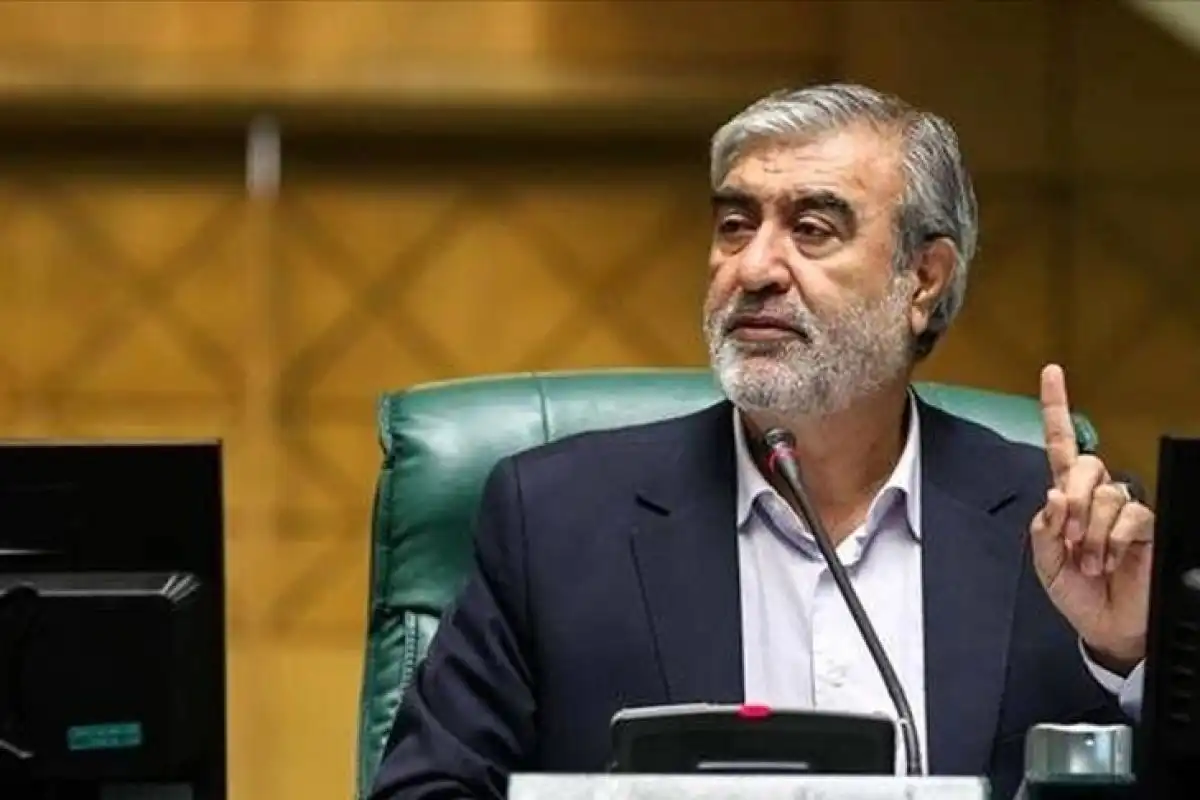
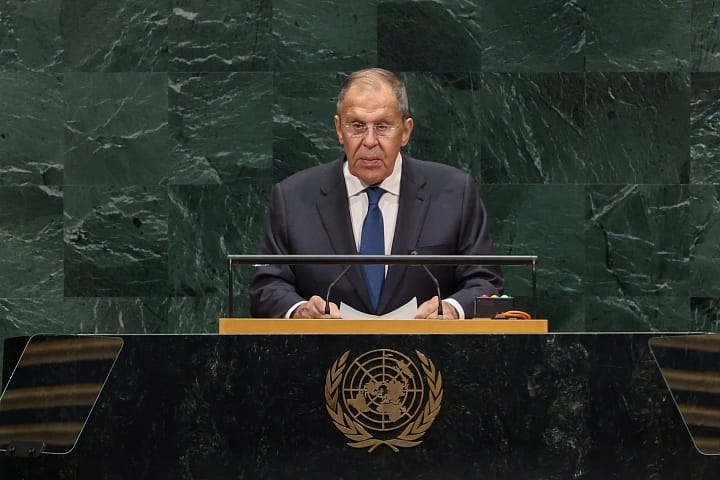
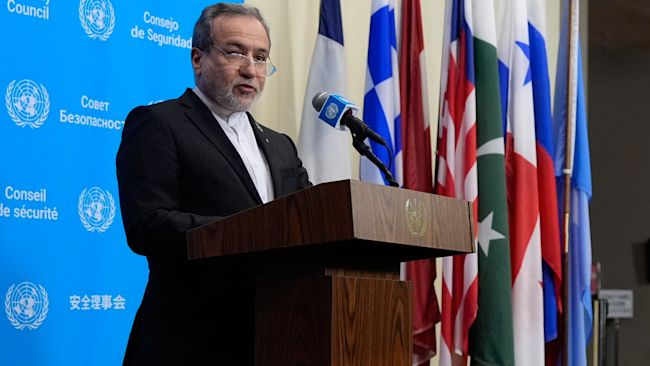
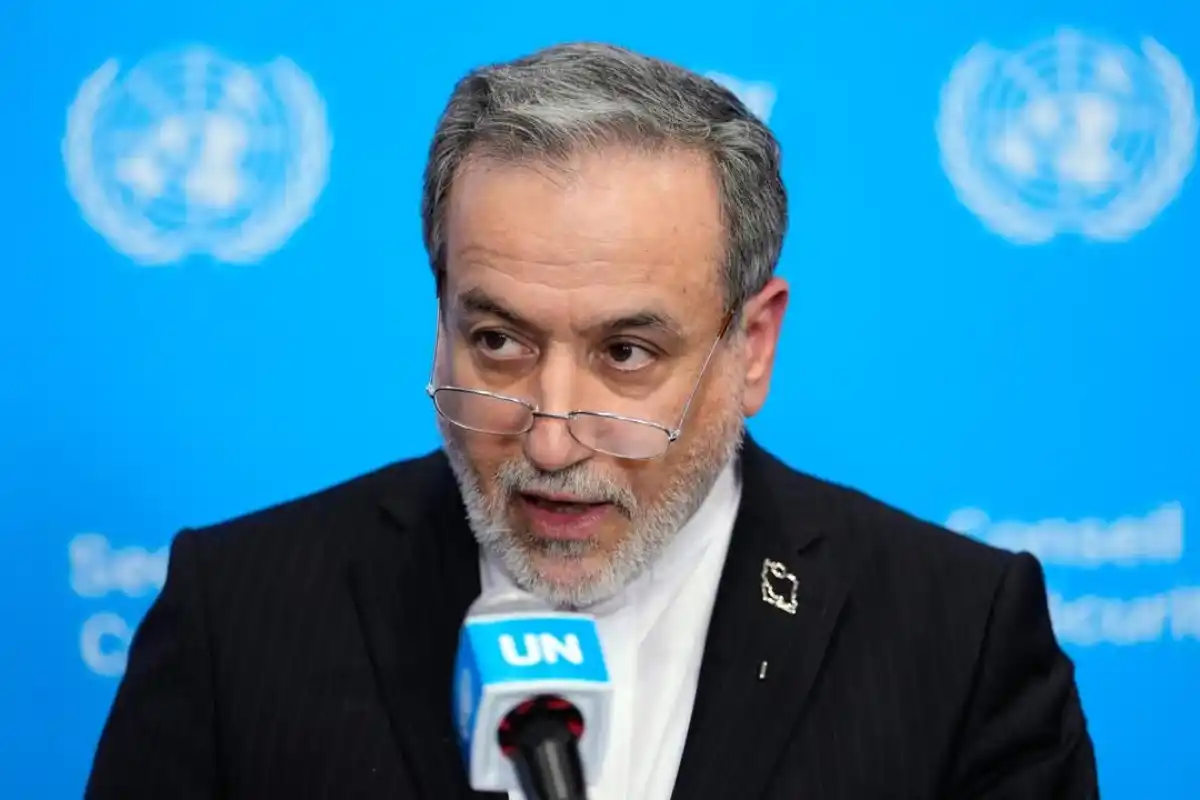
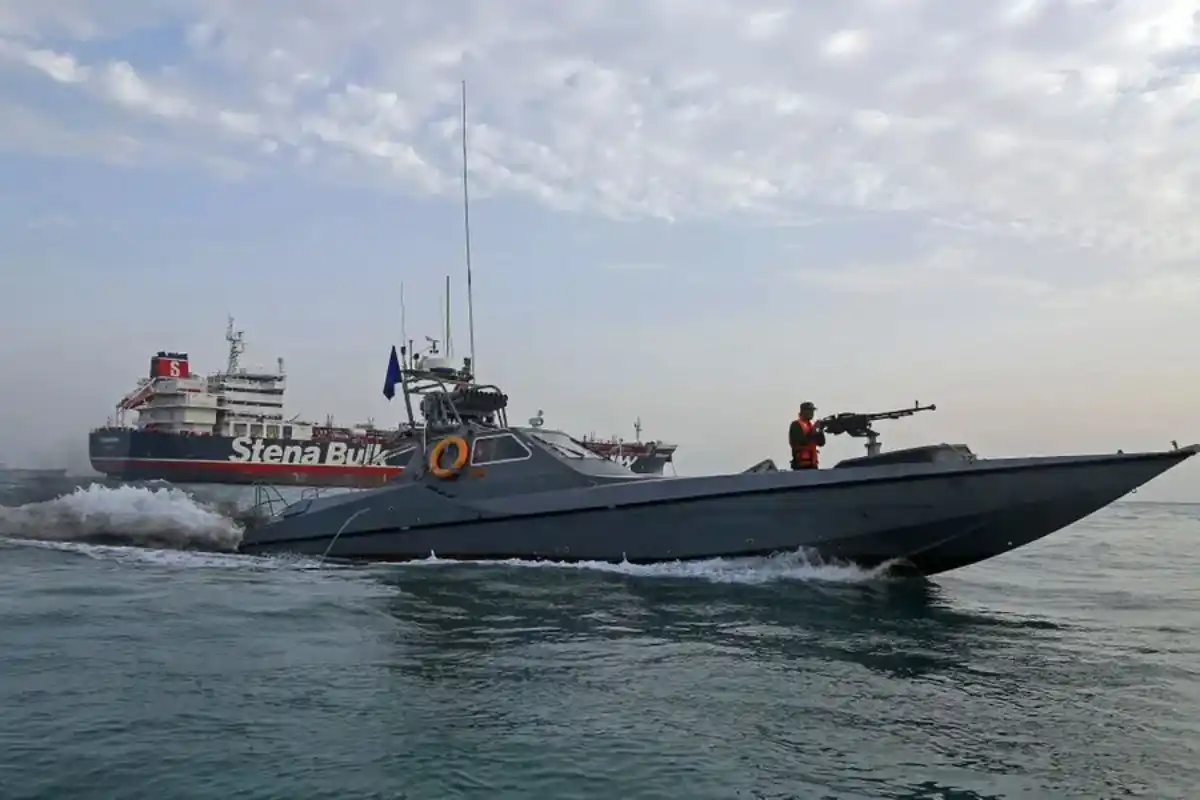
Iran will respond to what it describes as a Ukrainian strike on an Iranian commercial vessel in the Caspian Sea, according to Ebrahim Azizi, head of Iran’s parliamentary National Security and Foreign Policy Committee.
Azizi told Iranian news agency IRNA that any action against Iran always carries a cost, and that this principle remains in effect today, adding that the US and Israel are well aware of this reality and that Ukraine may soon realize Iran will not leave its actions unanswered.
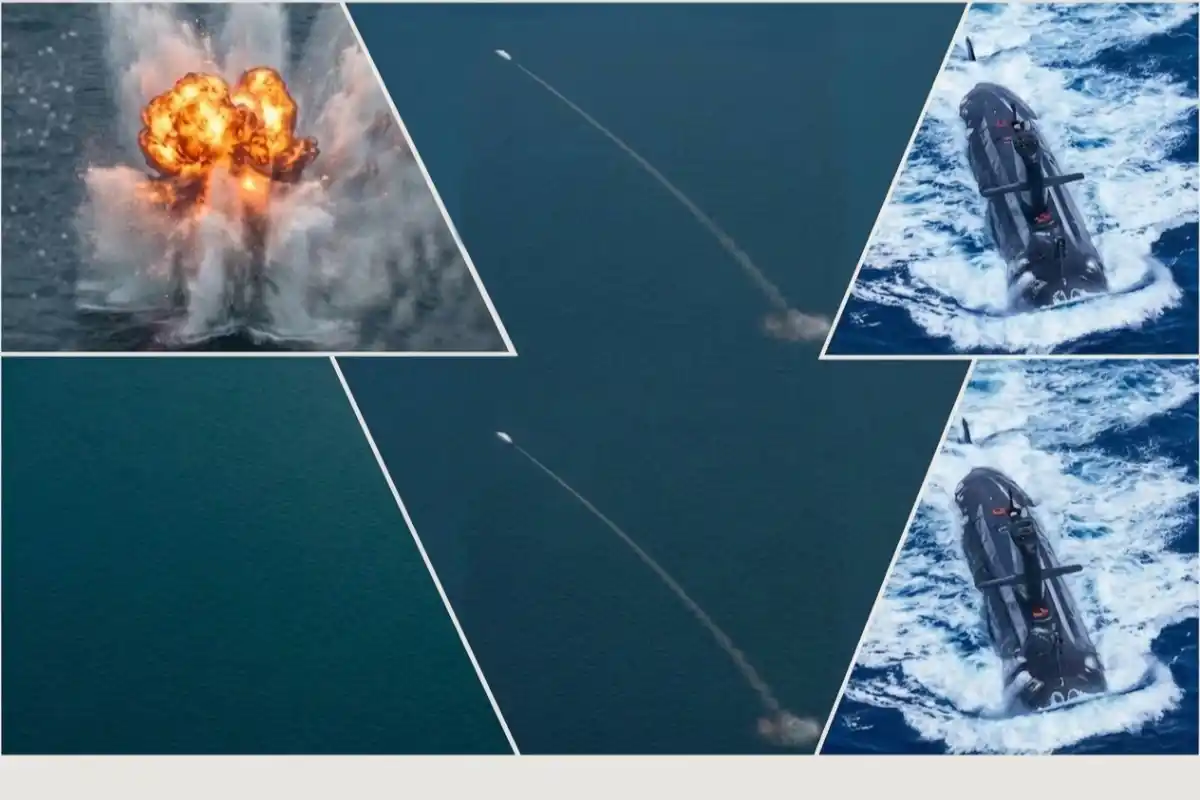
Iran’s Foreign Ministry has said Ukrainian President Volodymyr Zelensky ordered a strike on an Iranian commercial vessel that killed a sailor, characterizing it as a violation of the UN Charter. Iranian officials went further, alleging the strike was carried out at Israel’s direction specifically to draw Europe into the broader conflict — a claim that has not been independently verified.
Zelensky, for his part, said Ukraine targeted a vessel it alleged was being used to transport military equipment to Iran — a justification that directly contradicts Iran’s characterization of the vessel as commercial and the strike as an unprovoked violation of international law. Neither side’s account of the vessel’s actual cargo or purpose has been independently confirmed by outside sources.
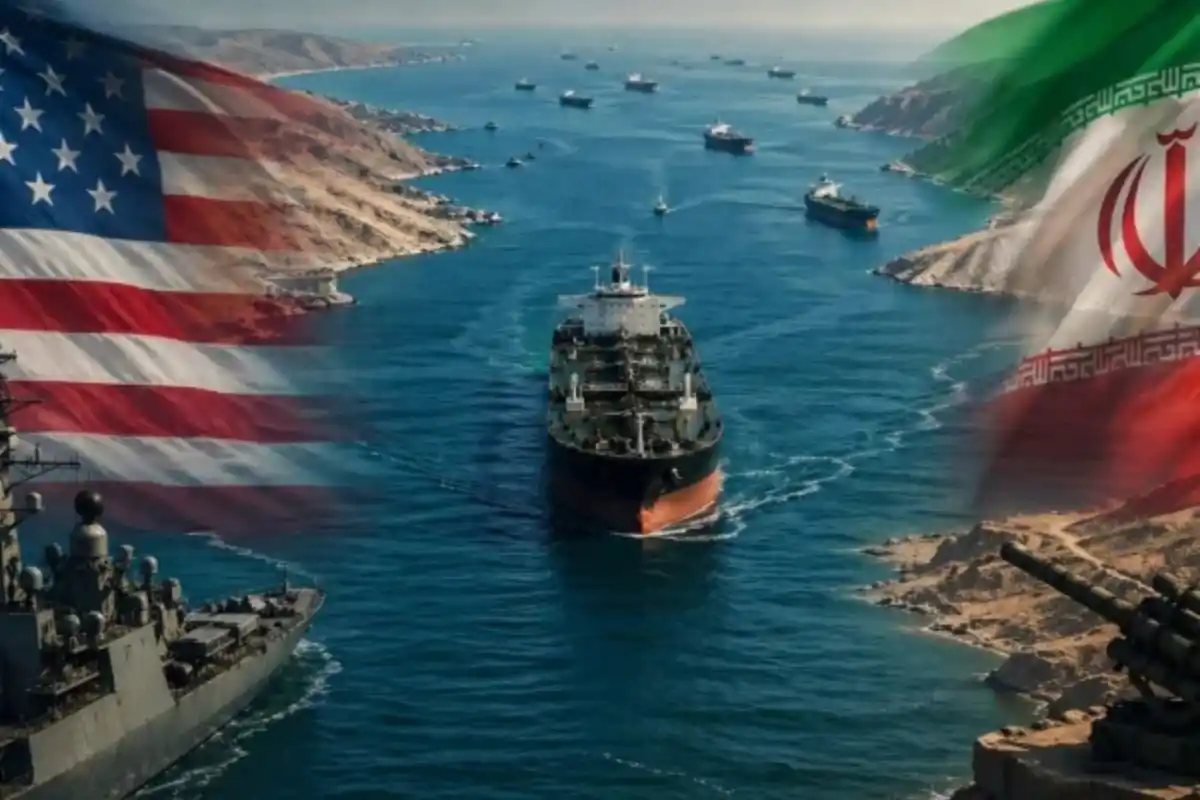
This incident introduces an entirely new dimension to the already sprawling conflict, extending hostilities into the Caspian Sea and drawing in Ukraine as a direct participant for the first time. Ukraine’s involvement, if confirmed as described, would mark a significant escalation given that the war has, until now, remained centered on US-Israeli operations against Iran and Iran’s retaliatory actions against US forces, Gulf shipping, and countries hosting American bases — with no prior indication Kyiv was operating militarily against Iranian targets.
The Caspian Sea’s geography makes this incident notable in its own right: the body of water borders Iran, Russia, Kazakhstan, Turkmenistan, and Azerbaijan, none of which have been directly involved in the broader Iran conflict’s other theaters in the Gulf, Red Sea, or Iranian mainland. A Ukrainian strike reaching that far from Ukraine’s own borders would represent a substantial extension of Kyiv’s operational reach, raising questions about how such an operation was carried out and coordinated.
Iran’s specific allegation that Israel directed the strike to draw Europe into the war reflects a broader pattern of Iranian officials attributing various developments throughout the conflict to coordinated action by its adversaries, a framing that has appeared in other Iranian statements attributing setbacks or third-party actions to hostile orchestration rather than independent decisions by the parties involved.
Whether this incident triggers actual Iranian retaliation against Ukrainian targets or interests, and whether Ukraine offers further details substantiating its claim about the vessel’s military cargo, will likely determine whether this becomes an isolated flashpoint or signals a genuine widening of the conflict to include Ukraine as an active combatant — a development that would carry significant implications given Ukraine’s own ongoing war with Russia and its complex relationship with Western allies already stretched thin supporting multiple simultaneous conflicts.
Catch all the World News, Breaking News Event and Trending News Updates on GTV News
Join Our Whatsapp Channel GTV Whatsapp Official Channel to get the Daily News Update & Follow us on Google News.
Must Read