Iran Says Message Exchange With US Continues via Mediators

Iran strongly condemns continued Israeli violations in Lebanon, calls for global response
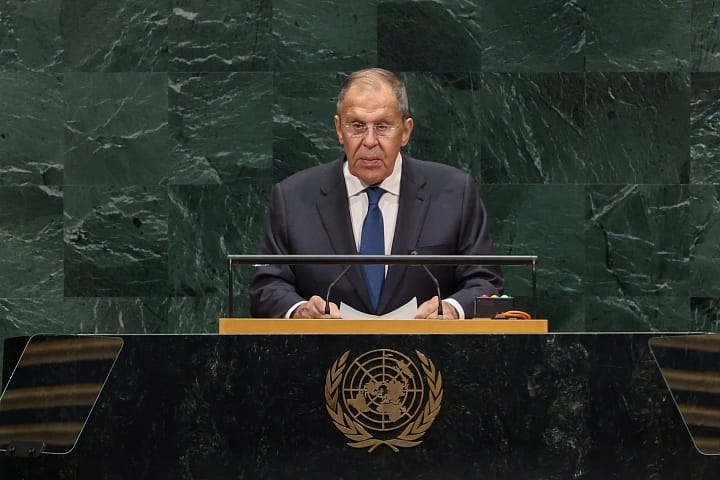
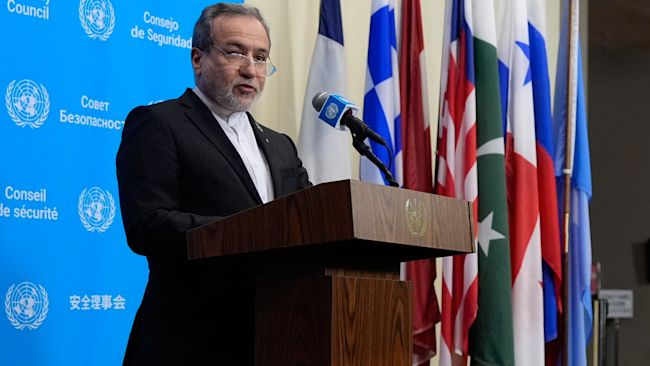
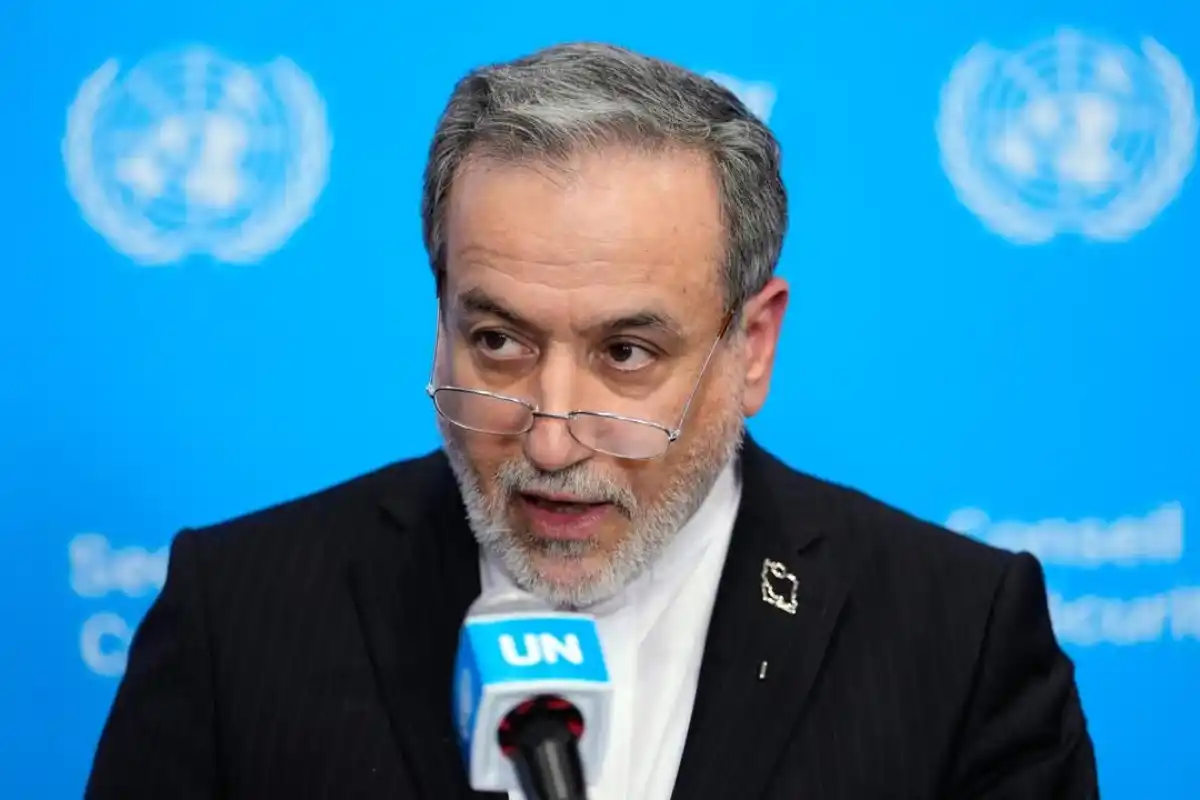
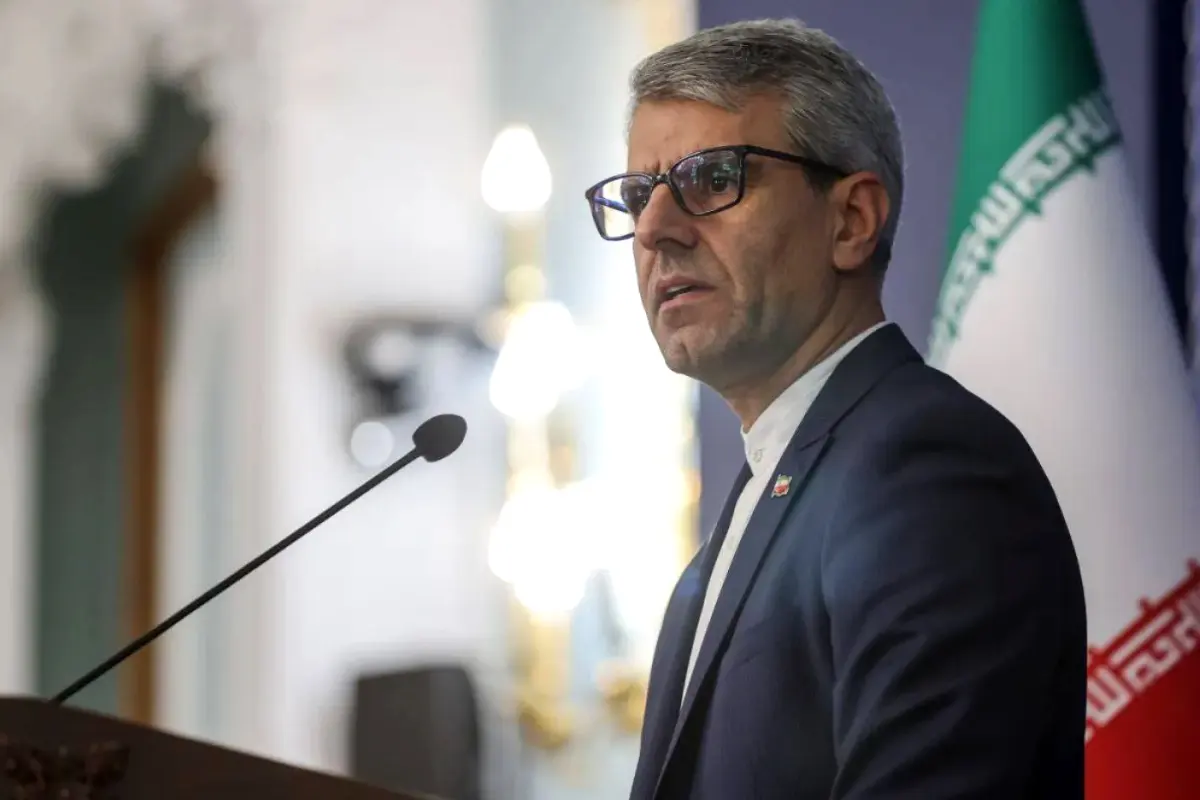
Iran’s Foreign Ministry says messages continue being exchanged between Tehran and Washington through mediator countries, including Pakistan and Qatar, though Iran’s top priority remains defending its sovereignty during attacks. Spokesperson Esmaeil Baghaei made the comments in an interview with an Austrian broadcaster.
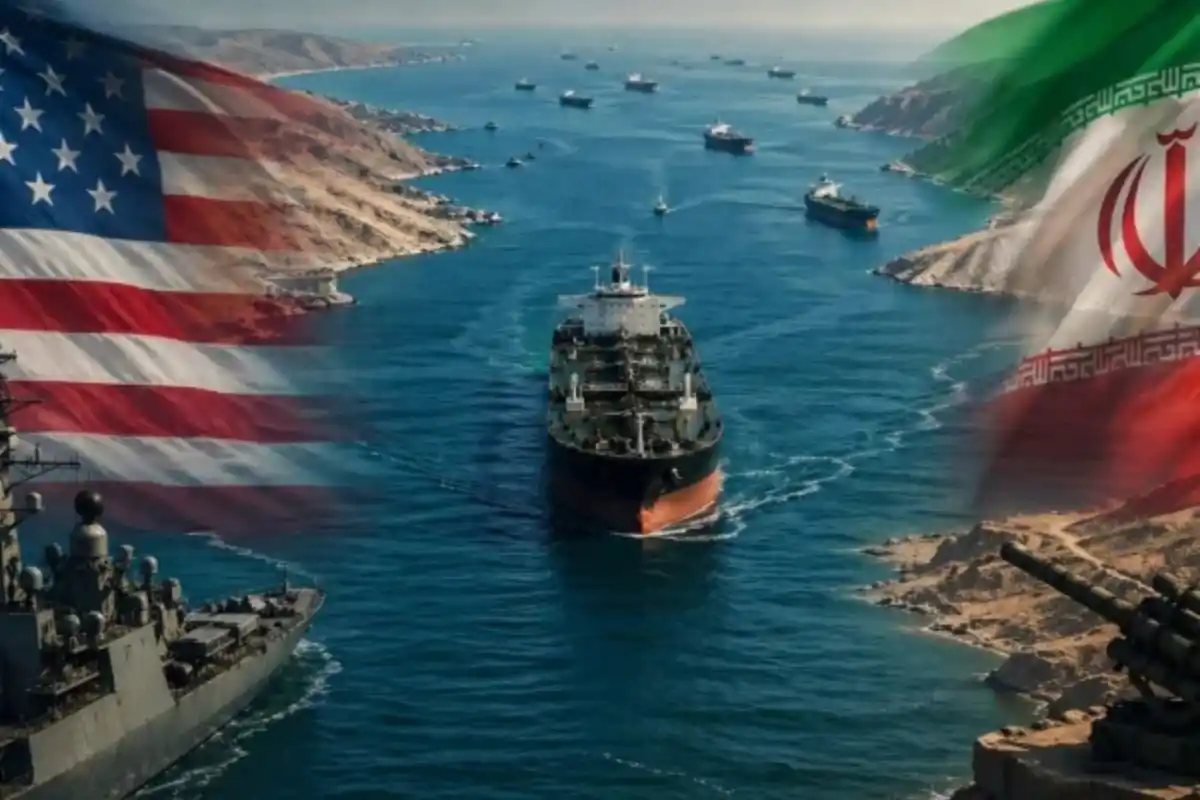
Baghaei said Iran fulfilled its commitment under the memorandum of understanding to ensure safe passage through the Strait of Hormuz within 30 days, but that the US launched new strikes before that period even expired, using alleged vessel incidents as justification. He said this marks the third time in the past year that Iran’s diplomatic efforts were undermined by attacks carried out during active negotiations — a pattern he framed as a recurring breach of trust rather than an isolated incident.
The spokesperson further claimed the US has still failed to release Iran’s frozen assets as stipulated under the memorandum, adding another specific point of alleged non-compliance to Iran’s broader case that Washington hasn’t honored the agreement’s terms.
This account continues a consistent pattern in Iranian messaging throughout the conflict’s various collapsed agreements: Iranian officials, including IRGC advisor Mohsen Rezaei, have repeatedly argued that Washington violated the memorandum’s terms first, pointing to continued strikes, the naval blockade, and failure to address Iranian grievances as evidence undermining any claim that Tehran broke the deal. That framing directly counters US officials’ own statements blaming Iran for the ceasefire’s collapse.
The confirmation that Pakistan and Qatar are actively serving as message channels adds important context to the diplomatic landscape following Iran’s rejection of an Iraqi-mediated ceasefire proposal and the recent weekend pause in strikes that briefly sent oil prices tumbling. It suggests multiple mediation channels are operating in parallel — Pakistan building on its earlier role brokering the original Islamabad memorandum, Qatar drawing on its established position as a frequent intermediary in Middle East conflicts, and Oman separately proposing a joint alliance framework for managing the Strait of Hormuz.
Baghaei’s emphasis on the three-time pattern of diplomatic betrayal appears aimed at building an international narrative that Iran has consistently negotiated in good faith while facing repeated military escalation regardless of its compliance — a framing that positions any future breakdown in talks as consistent with an established pattern rather than a new development.
The unresolved asset release issue adds a concrete, verifiable sticking point to the broader dispute, distinct from the more abstract disagreements over Hormuz control and ceasefire compliance that have dominated previous failed negotiating rounds. Whether this specific grievance becomes a focal point in the current mediator-facilitated exchanges, alongside the recurring Hormuz control question, will likely shape whether this diplomatic channel produces more durable progress than the collapsed Islamabad memorandum and the rejected Iraqi proposal that preceded it.
Catch all the World News, Breaking News Event and Trending News Updates on GTV News
Join Our Whatsapp Channel GTV Whatsapp Official Channel to get the Daily News Update & Follow us on Google News.
Must Read