
Iran Declines US-Backed Plan, Says National Interests Are Not Negotiable

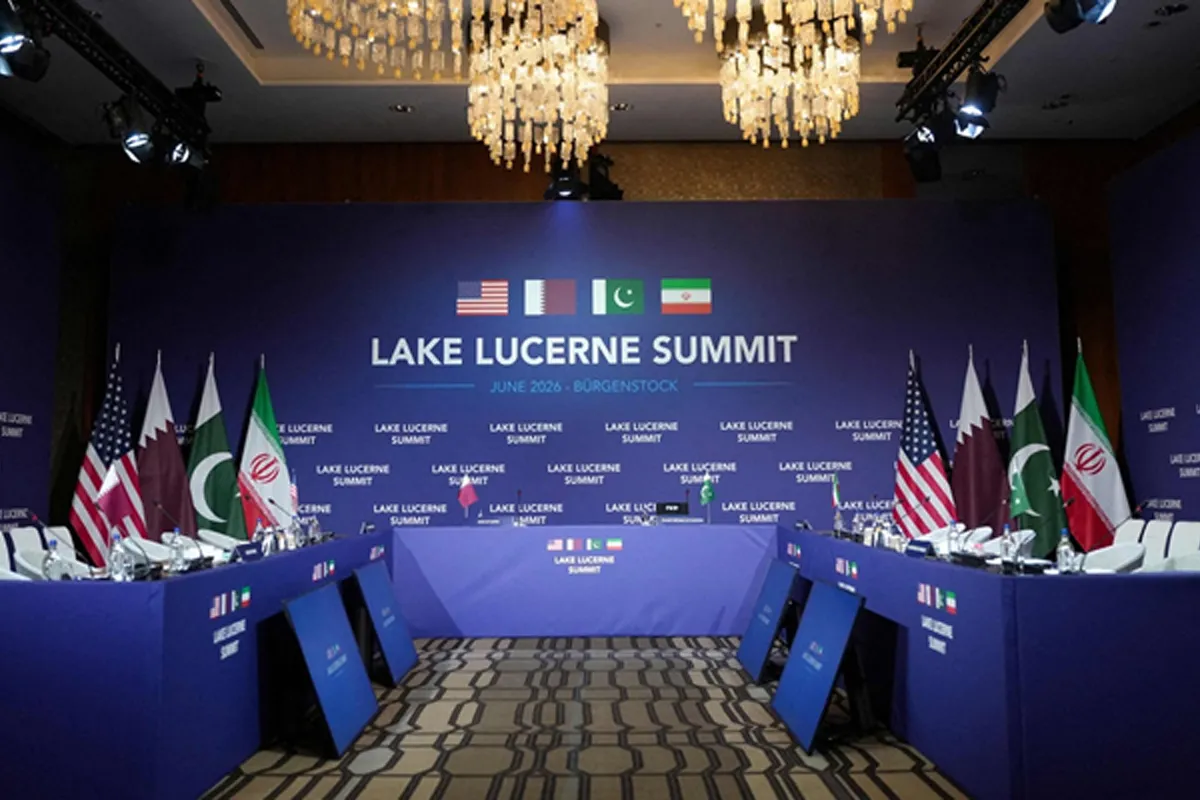
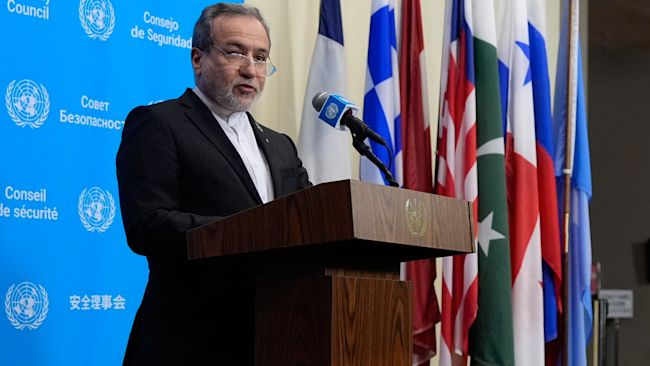
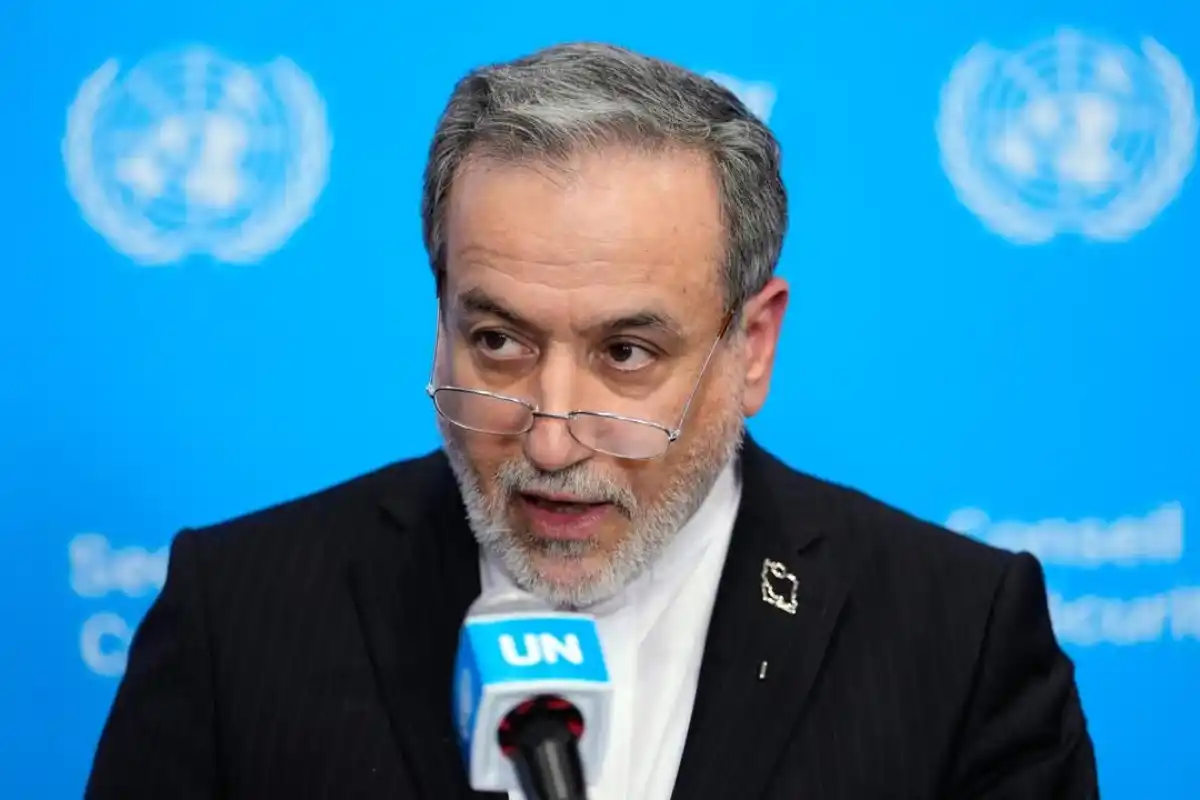
Iran’s Deputy Foreign Minister Kazem Gharibabadi says Tehran rejected US proposals during mediator-facilitated talks, citing what he called unreasonable American demands. He said the negotiations had started in Islamabad, where the US presented a plan containing excessive demands that the Iranian delegation clearly rejected.
According to Gharibabadi, the US had announced in advance that rejecting the plan would mean the talks were considered failed and that the American delegation would leave — and that’s exactly what happened, with the US delegation departing after the talks concluded. He said the Iranian delegation neither pushed for nor requested that negotiations continue, framing this restraint as an example of Iran conducting diplomacy with dignity.
This account provides new detail on how the Islamabad-brokered process, which had produced the earlier memorandum of understanding, ultimately unraveled — suggesting the breakdown traced back to a specific rejected proposal rather than a more gradual erosion of trust. It also adds context to the diplomatic activity reported by Iran’s Foreign Ministry spokesperson Esmaeil Baghaei, who confirmed messages continue being exchanged through mediators including Pakistan and Qatar even after this particular round concluded without agreement.
Gharibabadi also addressed the Strait of Hormuz situation directly, revealing that talks took place in Oman after Iran closed the strait again. He said the Omani delegation pushed for keeping the southern shipping route open until Iran and Oman reached a resolution, with closure to follow only afterward — but Iran declined this proposal. This detail adds important texture to Oman’s previously reported mediation efforts and proposed joint alliance framework for managing the strait, showing that even Oman’s more incremental compromise proposal, distinct from the earlier rejected US-Islamabad plan, failed to gain Iranian acceptance.
Gharibabadi said Iran made clear that regardless of the talks’ outcome, its principled policy has remained consistent since the war’s outset: such proposals will not be accepted. He said the policy of keeping the Strait of Hormuz closed remains in effect, describing this as a second example of Iran’s dignified diplomacy.
The rejection of both the Islamabad-brokered plan and Oman’s Hormuz compromise suggests Iran is drawing a firm line specifically around any arrangement that doesn’t secure its core demands upfront, rather than accepting interim or phased solutions pending further negotiation. This pattern is consistent with Iran’s rejection of the Iraqi-mediated ceasefire proposal weeks earlier, which similarly stalled over unresolved terms regarding Hormuz’s status — suggesting the strait’s control remains the singular, non-negotiable sticking point across every mediation channel that has been tried so far, regardless of which country facilitates the talks.
With Islamabad’s initial channel now confirmed as having broken down over a specifically rejected proposal, and Oman’s compromise on Hormuz access also declined, the diplomatic paths that have shown any momentum recently appear increasingly narrow. Whether the continued message exchanges through Pakistan and Qatar that Baghaei referenced represent a genuinely separate, ongoing channel capable of producing different results, or simply another iteration of the same fundamental impasse over Hormuz, will likely become clear based on whether any new proposal emerges that addresses Iran’s stated red line differently than the rejected Islamabad and Oman plans.
Catch all the World News, Breaking News Event and Trending News Updates on GTV News
Join Our Whatsapp Channel GTV Whatsapp Official Channel to get the Daily News Update & Follow us on Google News.
Must Read