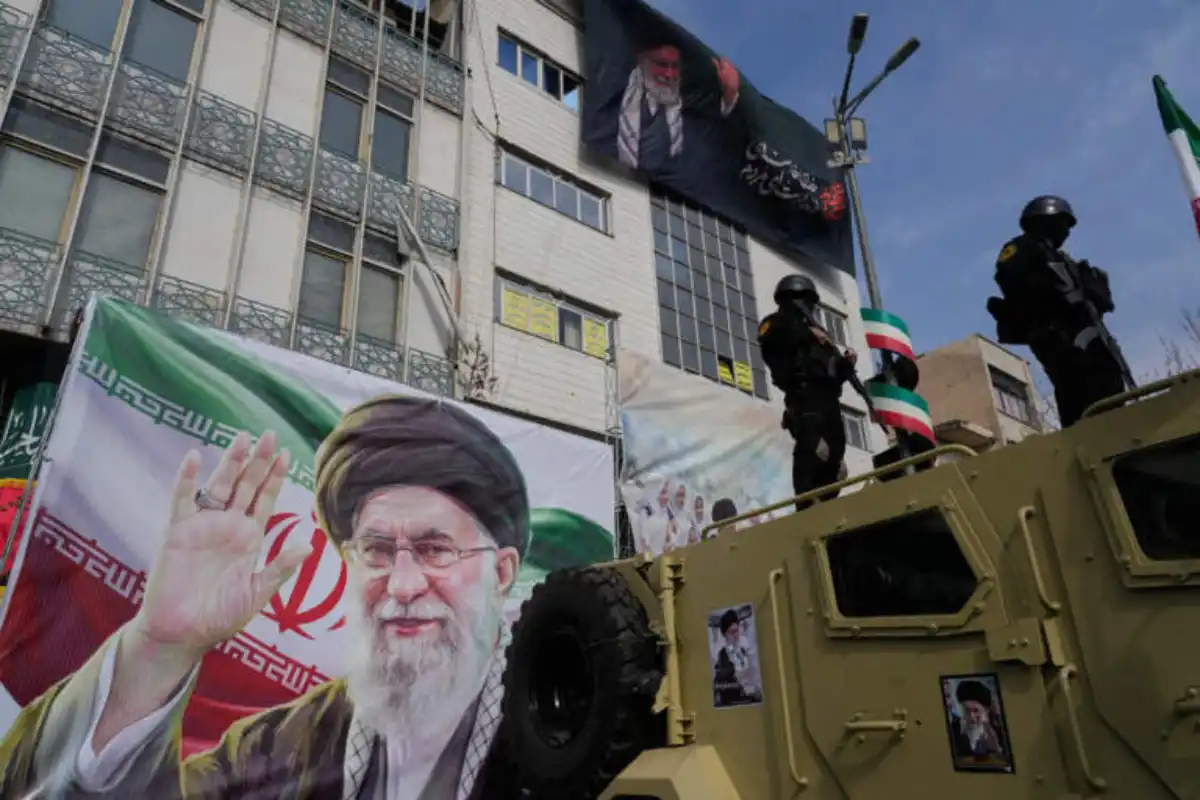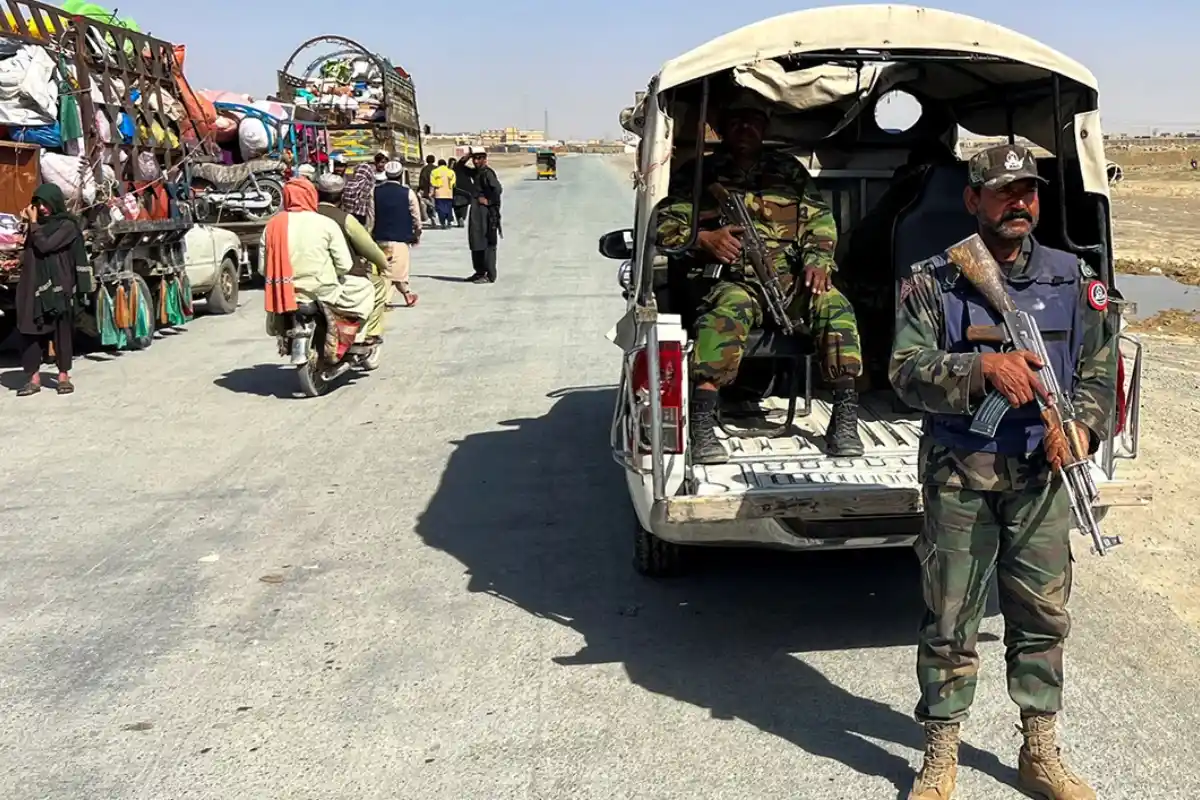

Iran Rejects Trump’s Hormuz Claims, Says Strait Policy Remains Under Tehran’s Terms

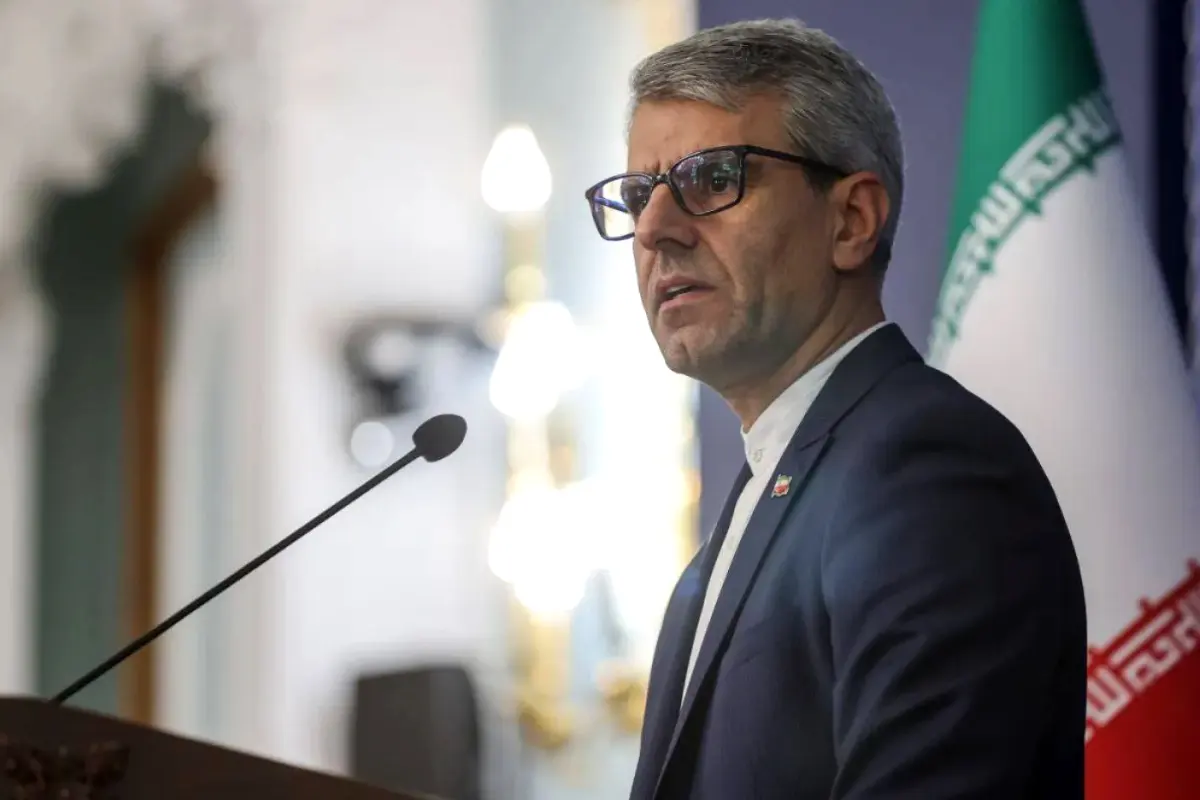
Iran strongly condemns continued Israeli violations in Lebanon, calls for global response
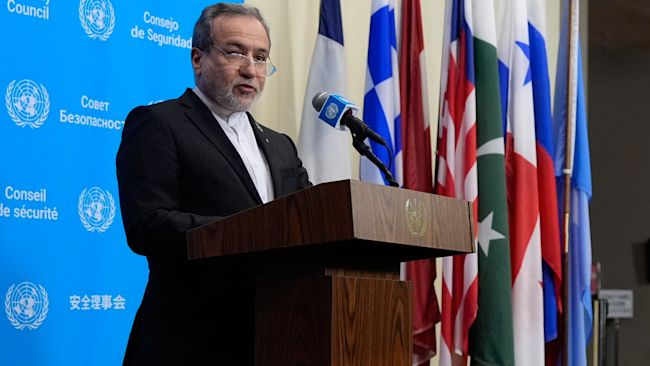
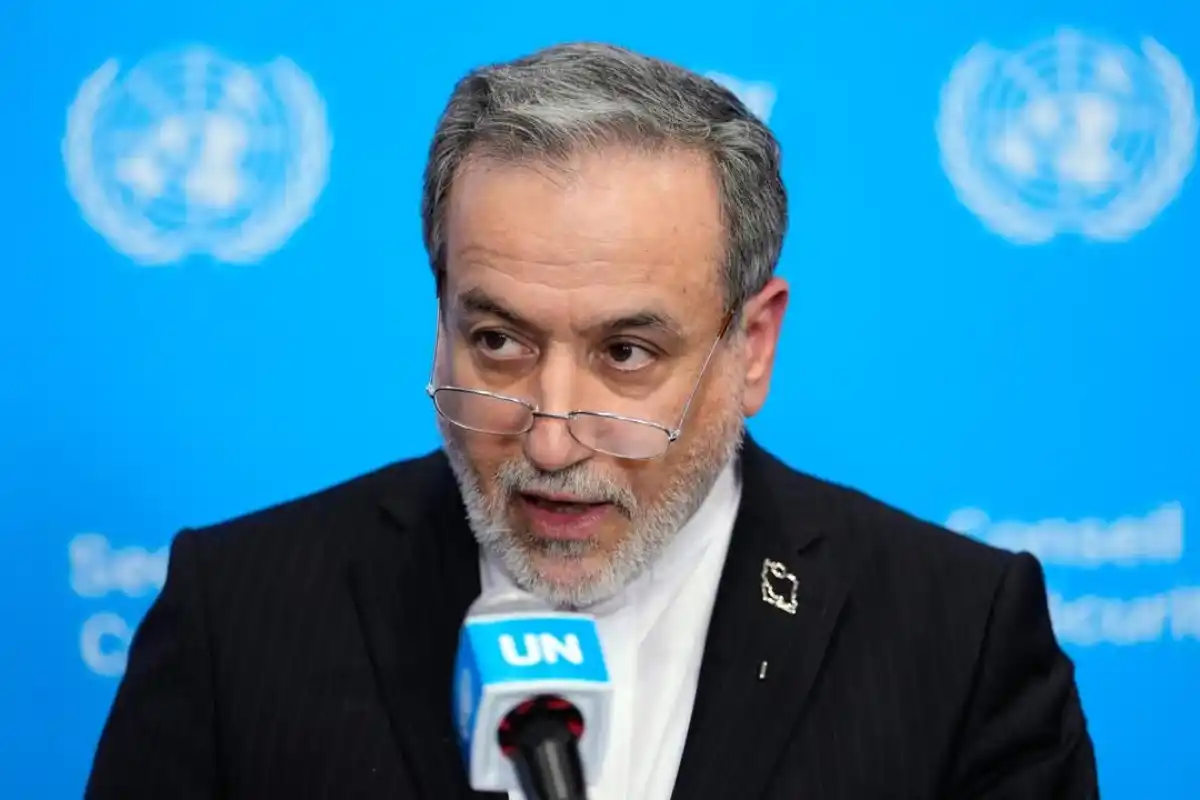
Iran’s Foreign Ministry says it never requested reopening the Strait of Hormuz or asked to reach an agreement, directly contradicting a claim by President Trump. Spokesperson Esmaeil Baghaei said Iran will not retreat in the face of any threat, warning that any American action would carry effects across the entire region.
Baghaei rejected Trump’s claim as completely baseless, addressing the president’s earlier assertion that Iran had requested opening Hormuz and reaching a deal. This directly contradicts Trump’s own recent characterization of talks as extremely pleasant, with Iran now discussing an agreement — a gap consistent with the broader pattern of conflicting accounts that has run through nearly every stage of this conflict’s negotiating history.
Baghaei clarified that ongoing talks with Oman regarding Hormuz remain strictly bilateral, with no third country involved — a notable clarification given Trump’s earlier claim that Gulf allies including Saudi Arabia, the UAE, and Qatar had asked him to call off a planned attack specifically because they believed a Hormuz deal was close. Baghaei’s insistence on the talks being purely bilateral suggests Iran either disputes that broader multilateral framing or wants to be seen as negotiating directly rather than through a wider coalition of intermediaries.
The spokesperson said conditions in the strait will not revert to their pre-war state, arguing that US naval blockade actions and sanctions have created problems there directly. He described the Iran-Oman talks as aimed at establishing a mechanism that protects Iranian interests specifically, rather than restoring a prior arrangement.
Baghaei offered new detail on the earlier memorandum’s timeline, saying the northern route remained fully safe and open for shipping during the first 22 to 23 days after the deal was signed, but that the US launched a new attack on Iran before the full 30-day period had elapsed. This account adds specificity to Iran’s broader narrative — previously voiced by figures including Deputy Foreign Minister Kazem Gharibabadi and IRGC advisor Mohsen Rezaei — that Washington repeatedly undermined agreements through premature military action rather than Iran failing to honor its commitments.
Iranian news agencies reported that the Strait of Hormuz will remain closed for now, with passage permitted only through specific routes and subject to approval from the IRGC’s naval forces — a continuation of the operational control Iran has repeatedly asserted over the waterway throughout the conflict.
Baghaei added that Britain, Bulgaria, and Ukraine have assured Iran they will not become part of the war — a notable disclosure given the recent, separate incident in which Iran accused Ukraine of striking an Iranian commercial vessel in the Caspian Sea at Israel’s alleged direction. Whether this reported assurance from Ukraine represents a genuine de-escalation of that specific maritime dispute, or sits in tension with Iran’s own recent accusations against Kyiv, isn’t clarified in Baghaei’s remarks.
The stark contradiction between Trump’s characterization of Iran seeking a deal and Baghaei’s flat denial underscores how difficult it remains to assess the genuine state of negotiations from public statements alone. Whether Monday’s planned talks, which Trump said would resume following his decision to call off a threatened major attack, proceed on any shared understanding of what’s actually being discussed will likely depend on whether direct diplomatic contact clarifies this basic factual dispute over who has proposed what to whom.
Catch all the World News, Breaking News Event and Trending News Updates on GTV News
Join Our Whatsapp Channel GTV Whatsapp Official Channel to get the Daily News Update & Follow us on Google News.
Must Read

Entertainment
Roma Michael and Shan Baig Announce Wedding Date in Dreamy Save-the-Date Video
27-September،2026

Entertainment
Pakistani Star and Content Creator Stand With Parishae Adnan Against Nadia Khan
27-September،2026