
US Missile Defense Stockpiles Critically Depleted After Iran Conflict, Raising Security Concerns


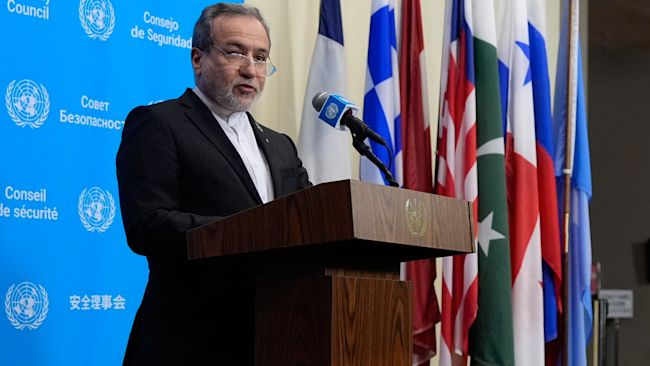
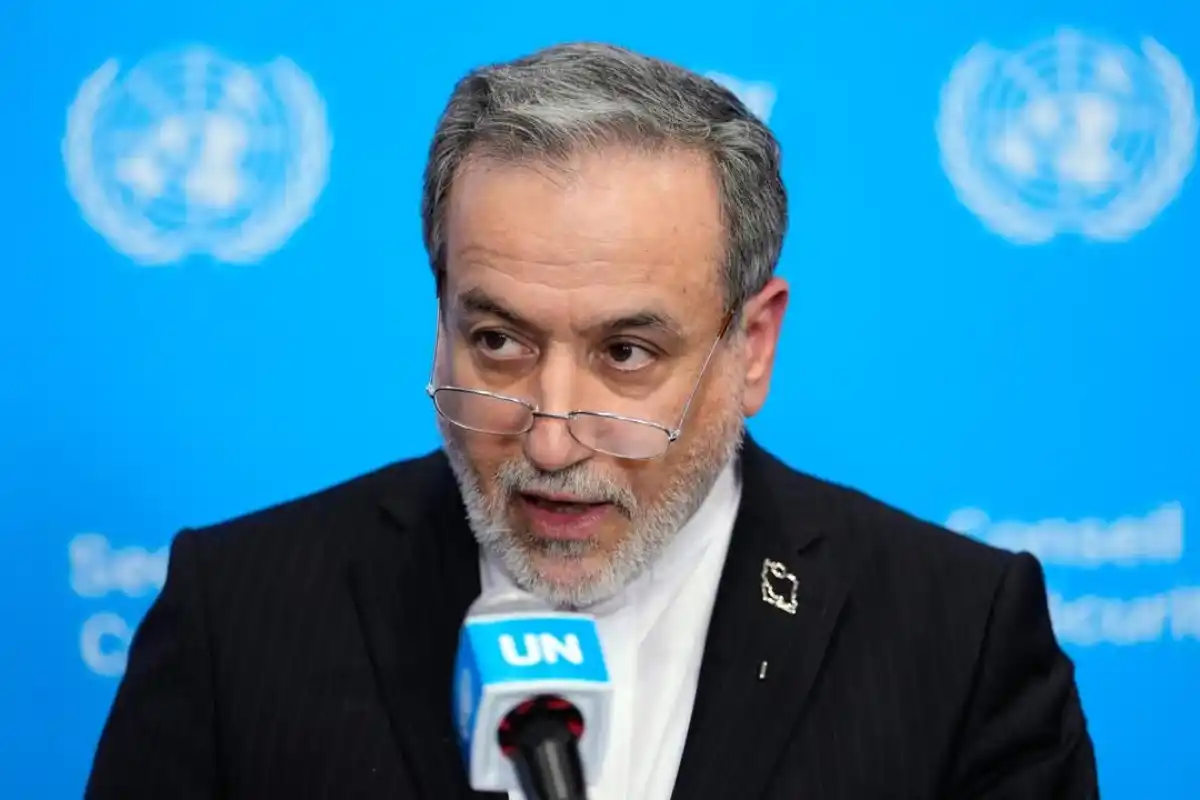
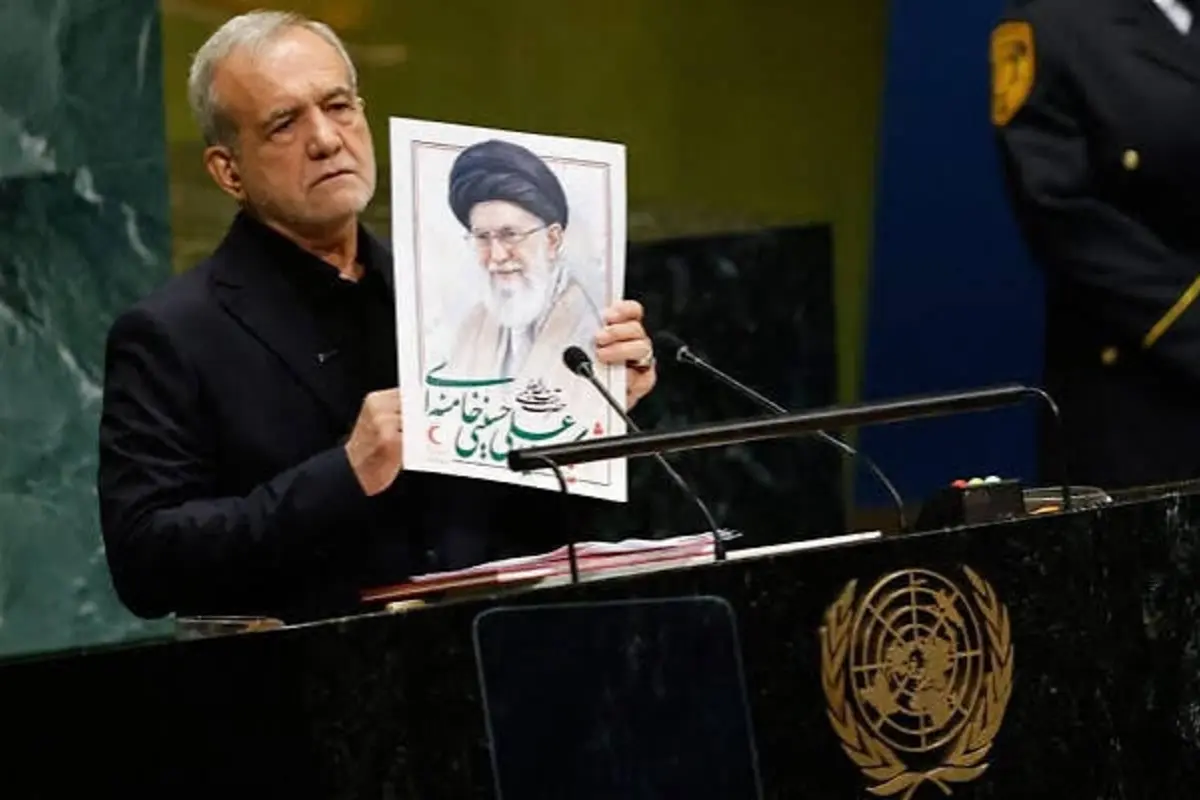
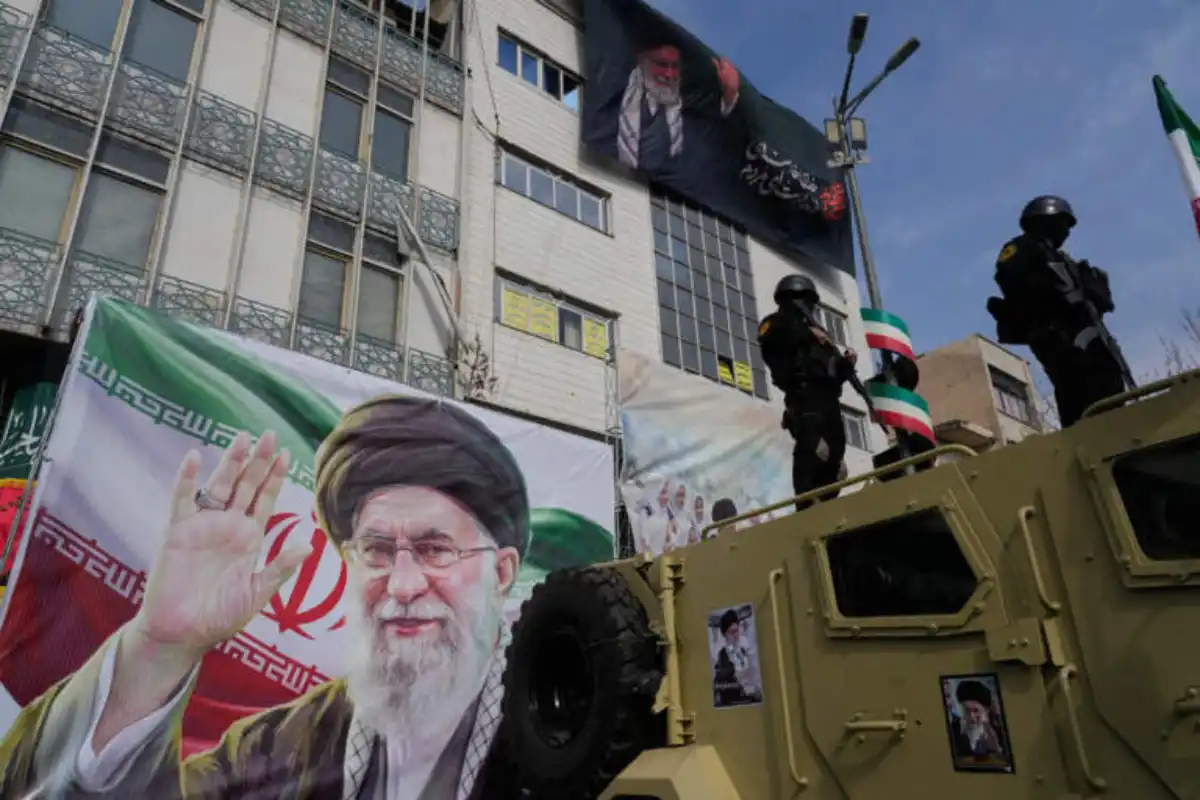
The United States has depleted a significant portion of its advanced missile defense interceptors following the conflict with Iran, prompting growing concern among senior military officials over the state of the Pentagon’s munitions reserves. According to multiple sources familiar with the matter, the US military has exhausted nearly 80 percent of its Terminal High Altitude Area Defense (THAAD) interceptor inventory and approximately half of its Patriot missile interceptors since the war began, leaving key air defense stockpiles at what officials describe as “dangerously low” levels.
The depletion has intensified concerns within the US defense establishment about the country’s readiness to respond to future large-scale missile threats. Prior to the conflict, estimates by the Center for Strategic and International Studies (CSIS) indicated that the United States possessed approximately 452 THAAD interceptors and around 2,200 Patriot interceptors across its most modern variants. The latest assessments suggest that a substantial share of those inventories has now been consumed, underscoring the strain prolonged military operations can place on high-end precision munitions.
The shortages have also alarmed Washington’s Gulf allies, many of whom depend heavily on US-supplied Patriot and THAAD systems to defend against potential missile and drone attacks. According to officials familiar with regional discussions, Gulf states fear that diminished US stockpiles could limit both American and allied air defense capabilities if Iran retaliates against any future US military escalation. The concerns have renewed debate over the Pentagon’s ability to replenish critical missile defense inventories while maintaining deterrence across multiple regions.
Catch all the World News, Breaking News Event and Trending News Updates on GTV News
Join Our Whatsapp Channel GTV Whatsapp Official Channel to get the Daily News Update & Follow us on Google News.
Must Read

Entertainment
Roma Michael and Shan Baig Announce Wedding Date in Dreamy Save-the-Date Video
27-September،2026

Entertainment
Pakistani Star and Content Creator Stand With Parishae Adnan Against Nadia Khan
27-September،2026