
Iran Shifts Military Doctrine From Defense to Offense

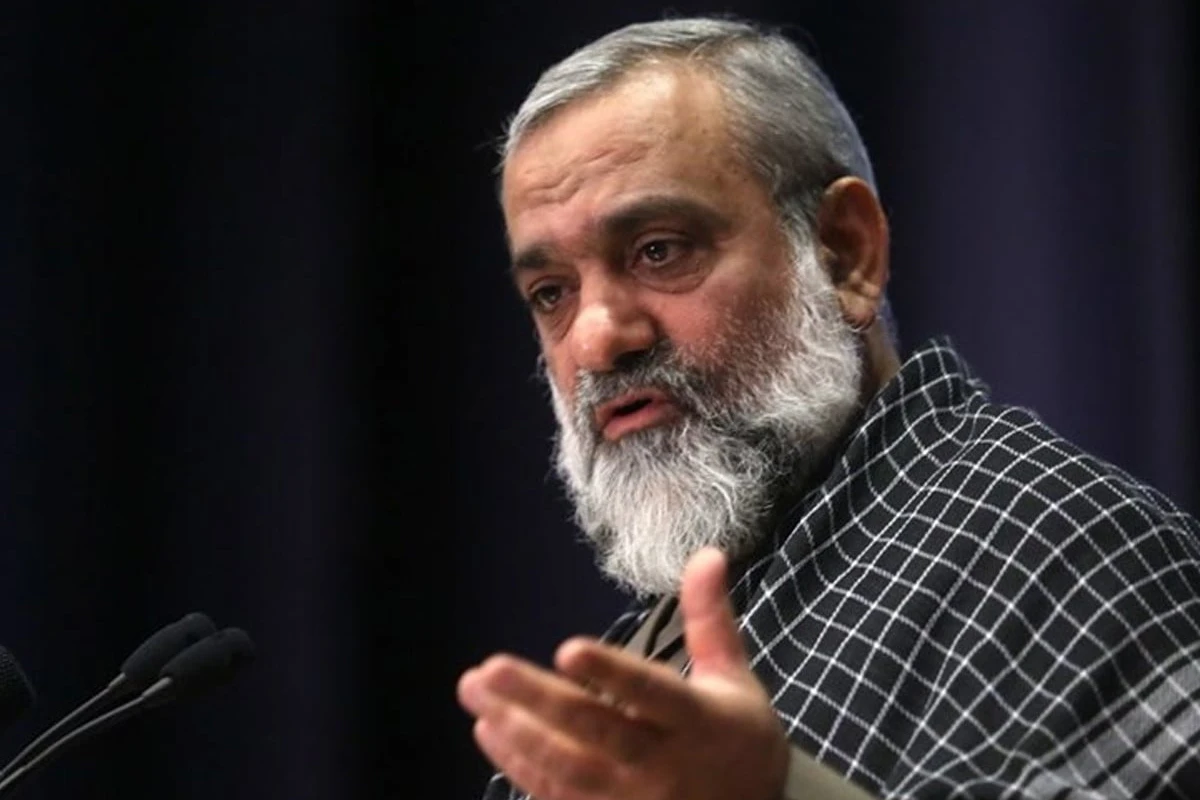
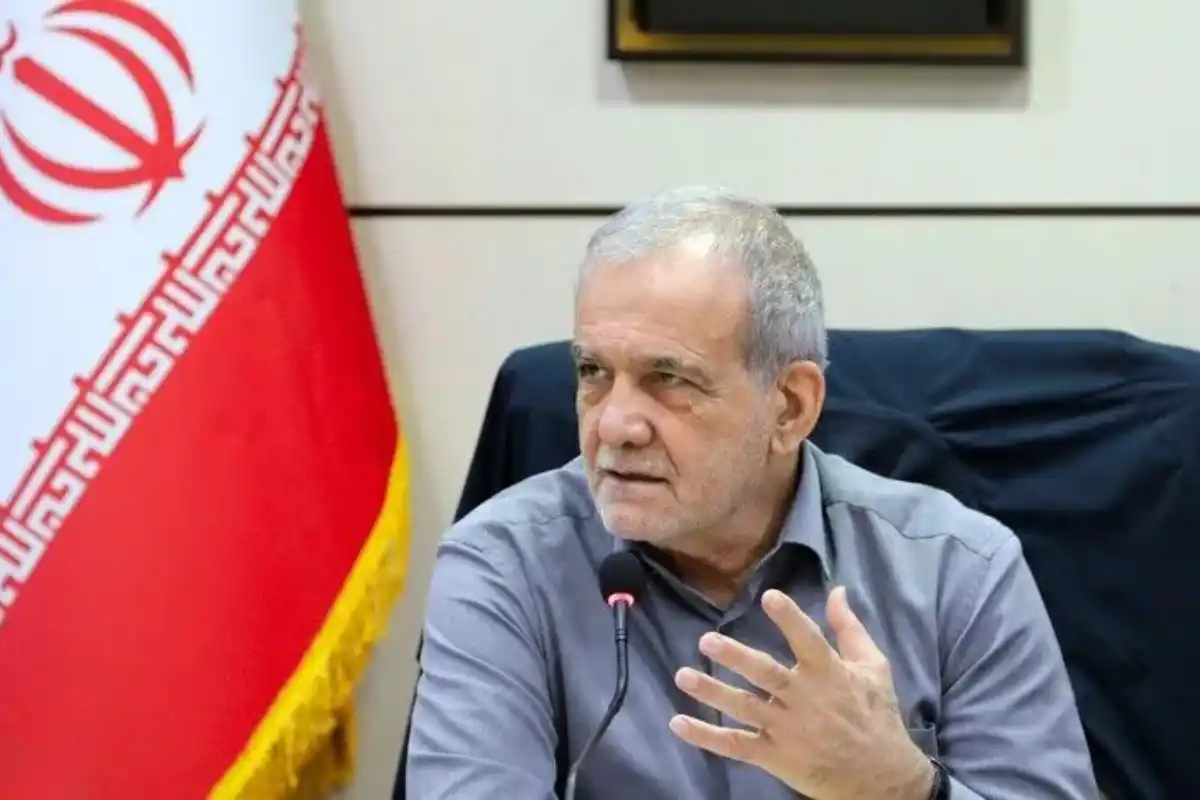
Iran has formally abandoned the defensive military posture that shaped its strategy for decades, according to a senior Revolutionary Guard adviser who says the country is now organizing its forces to strike enemy territory rather than simply repel attacks on its own.
Brigadier General Mohammad Reza Naghdi, adviser to the IRGC’s new commander-in-chief, said on state television that the decision to move from a “defensive” to an “offensive” doctrine has already been made, and that recent appointments across the IRGC’s senior command were made specifically to implement it. He said the force must be able to conduct operations on enemy soil, far from Iran’s own borders, whenever conditions allow and an order is given — a direct contrast, he said, with the pre-war doctrine built primarily around defense and preserving the country.
Naghdi framed the shift as earned rather than aspirational. He said the US military budget outweighs Iran’s roughly a hundred to one, yet all 14 objectives the enemy pursued during the recent war ended in failure, a claim he offered without independent verification. He also said Iran’s drone production capacity now exceeds its launch rate, and that ballistic missile strikes would continue “for years” if a war required it — rhetoric aimed as much at deterrence messaging as at describing actual capability.
The doctrine shift isn’t happening in isolation from Iran’s broader leadership reshuffle. It follows Monday’s appointment of six senior military commanders by Supreme Leader Mojtaba Khamenei, filling posts left vacant by officers killed in US-Israeli strikes, and comes a day after Mohsen Rezaei was named secretary of the Supreme National Security Council. Analysts reading the decrees have noted Khamenei’s own language to new IRGC commander Ahmad Vahidi called for both “maximum deterrence” and readiness for “powerful offensive operations” — phrasing Iran specialist Ali Vaez of the International Crisis Group said reflects an unusually explicit articulation of offensive operations as part of the IRGC’s core mission, not just crisis response.
Naghdi added that the new approach won’t be limited to conventional military capability. He described it as built on “hybrid warfare” — combining weapons capability with diplomacy, propaganda, economic pressure and social leverage, a framework consistent with the asymmetric and proxy-based tools the IRGC has relied on for years through partners like Hezbollah.
The timing points to where this is really aimed: talks between Washington and Tehran remain stalled, with little sign of the breakthrough both sides gestured toward earlier this year. A public pivot to offensive doctrine, paired with a newly installed, tested command structure, reads less like an imminent operational plan than a signal — to Washington and to Iran’s own public — that Tehran expects the standoff to run longer, and intends to look prepared for it either way.
Catch all the World News, Breaking News Event and Trending News Updates on GTV News
Join Our Whatsapp Channel GTV Whatsapp Official Channel to get the Daily News Update & Follow us on Google News.
Must Read

Pakistan
Development Activities Continue Under Balochistan Special Development Initiative
10-October،2026