Trump’s Economic Pressure on Iran Reflects Decades of Failed Coercion

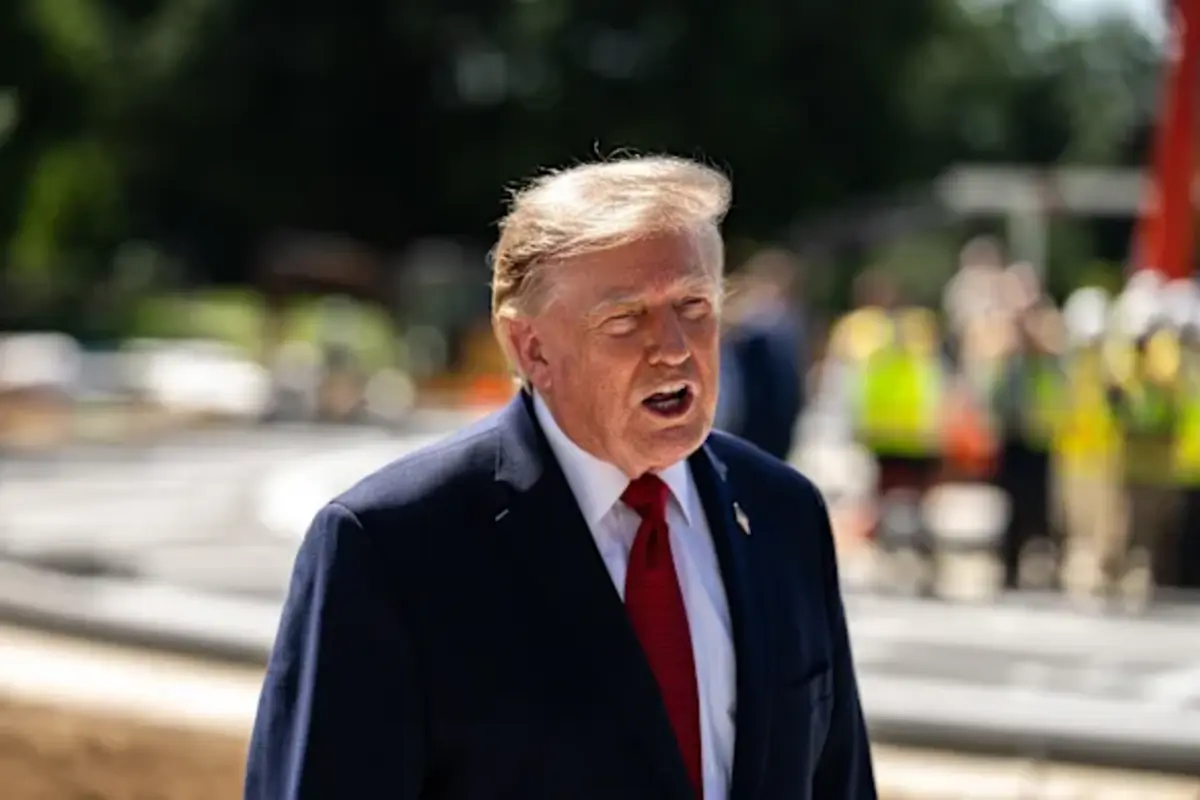
Donald Trump’s latest declaration of economic warfare against Iran reflects Washington’s continuing frustration with Tehran’s refusal to surrender its sovereignty despite decades of sanctions, threats and coercive measures. Trump has portrayed the new campaign as an unprecedented economic operation while threatening governments, financial institutions, companies, airports and shipping networks that maintain commercial or financial ties with Iran.
The confrontation, however, predates Trump and extends back to the 1953 coup, when the United States and Britain helped overthrow Prime Minister Mohammad Mosaddegh after his government nationalized Iran’s oil industry. The episode remains central to Iranian perceptions of Western intervention and reinforced a historical narrative in which control over national resources became closely linked to sovereignty, political independence and resistance to foreign pressure.
Following the 1979 Islamic Revolution, Washington imposed successive sanctions as diplomatic relations deteriorated, eventually creating an extensive sanctions system targeting Iran’s trade, finance, investment, technology, energy, shipping and international banking sectors. The United States’ influence over dollar-based financial networks has allowed Washington to pressure foreign companies and institutions dealing with Tehran, but the repeated need for new pressure campaigns also highlights the limits of decades of economic coercion in changing Iran’s fundamental political position.
Catch all the World News, Breaking News Event and Trending News Updates on GTV News
Join Our Whatsapp Channel GTV Whatsapp Official Channel to get the Daily News Update & Follow us on Google News.
Must Read