
Iran’s Defiant Message to Trump: “No One Believes Your Big Talk”

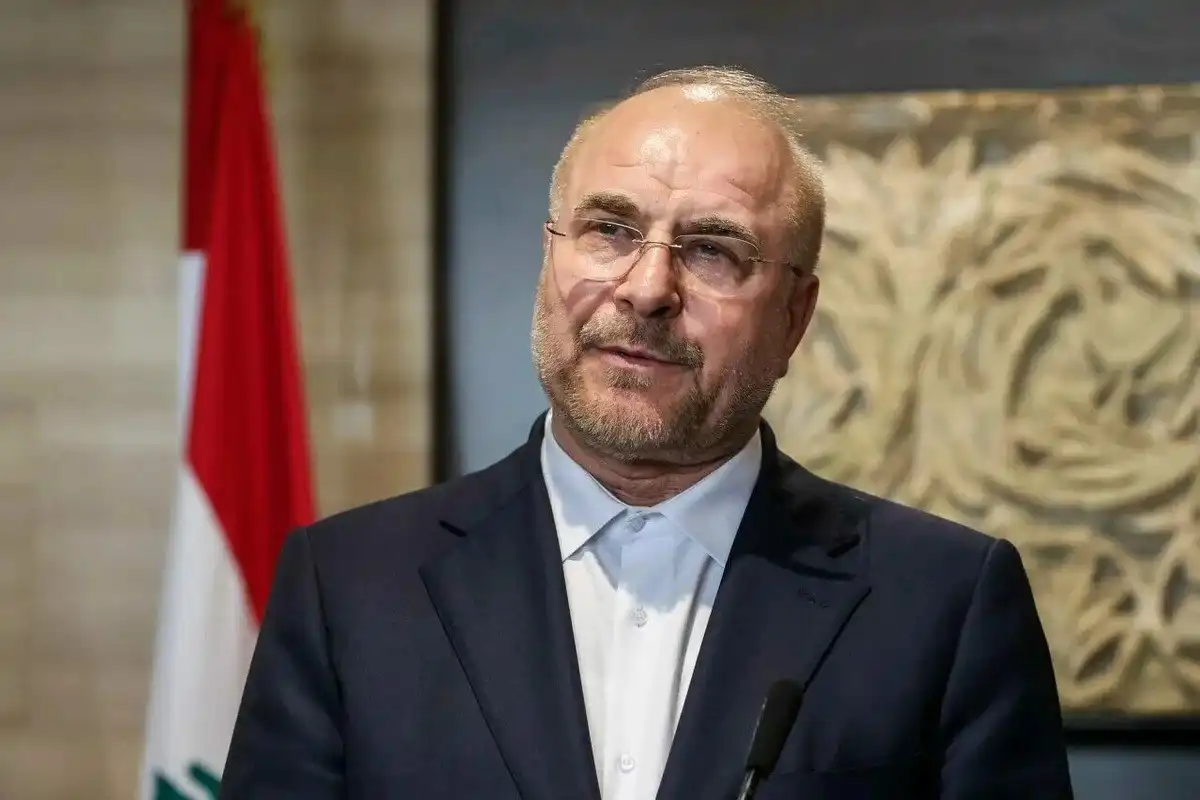
Qalibaf says Trump deleted Hormuz tweet after mediators’ request
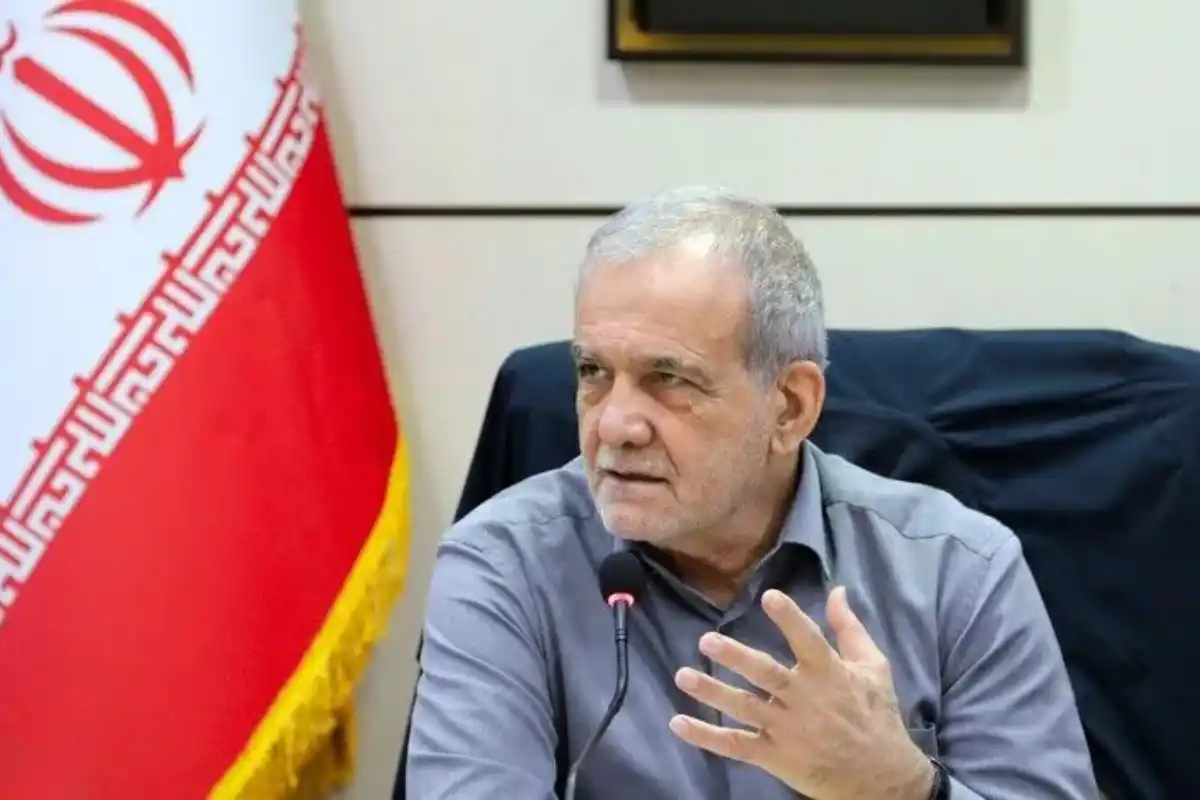
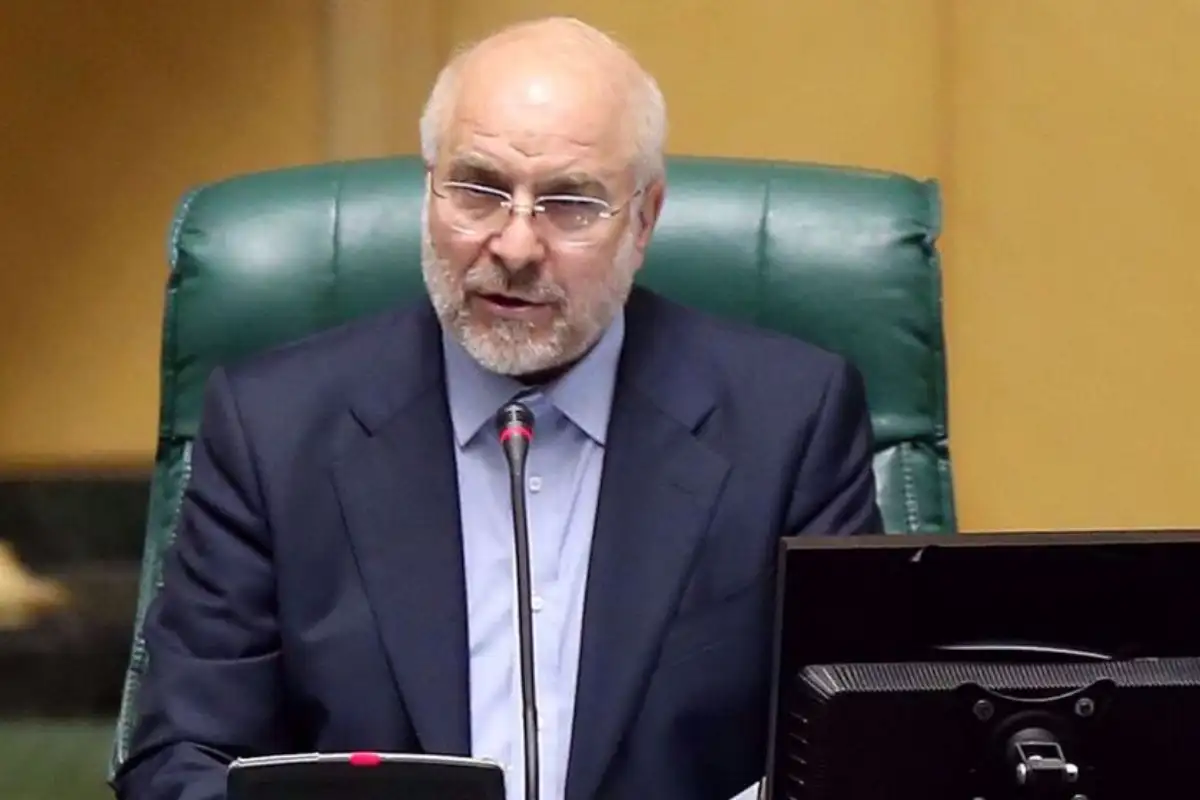
Iran’s parliament speaker spent the weekend mocking Washington’s promised “economic D-Day” as an empty threat. On Monday, while he was in Tehran hosting Pakistan’s army chief, Treasury Secretary Scott Bessent proved him partly right by announcing measures with real teeth but a notable gap: no direct penalties on the trading partners Qalibaf insisted would ignore the whole campaign.
Mohammad Bagher Qalibaf posted on X that Iran’s trade partners have told Tehran directly — through media statements and private messages — that they consider Washington’s threats “utterly meaningless,” and argued the US economy is too weakened by six months of war costs to risk further disputes with other countries over Iran. “The Americans know that no one believes their big talk,” he wrote, adding the US “is not in a position economically to further restrict its relations with other countries.” A day earlier, in an English-language post, he’d been more colorful still, tying US economic strain — falling bond yields, a housing market downturn — to what he called “the Iran boomerang,” the same backfiring-pressure metaphor Iranian officials have used repeatedly this month.
Bessent’s actual Monday announcement gave Qalibaf’s dismissal an odd kind of vindication. The measures aim to block what Bessent called every potential source of Iranian government revenue, but rather than imposing immediate secondary sanctions on countries still trading with Iran, Bessent said he wanted to give those countries “an opportunity to shift away from Iran before it’s too late” — a warning, not yet an enforcement action. Asked directly whether China would be targeted, he said “no one is above the reach of U.S. sanctions” and that any entity “part of the ecosystem that turns Iranian oil into money” would be targeted, but stopped short of naming specific Chinese firms or a timeline. Ali Wyne of the International Crisis Group told reporters how much the announcement actually matters “depends on the aggressiveness with which President Trump is willing to enforce it” — language that echoes Qalibaf’s own skepticism almost exactly, from the opposite side of the argument.
The timing news buried in Monday’s coverage may matter more than either side’s rhetoric: Bessent’s calibration on China comes roughly a month before Chinese President Xi Jinping’s expected visit to the US, a diplomatic calendar that gives Washington real incentive to thread this carefully rather than trigger a confrontation with its largest trading partner over Iran specifically.
Qalibaf’s own position gives his dismissal unusual weight beyond rhetoric. He’s served as Iran’s lead negotiator with Washington for the past six months, and Monday’s sanctions rollout happened to coincide with Field Marshal Asim Munir’s visit to Tehran — the two men were photographed shaking hands the same day, according to AP, putting Iran’s chief negotiator and Pakistan’s top mediator in the same room just as the sanctions Qalibaf was mocking were being unveiled roughly 6,000 miles away in Washington.
Mohsen Rezaei added a sharper edge before Bessent spoke, telling Iranian state broadcaster that “if [Trump] wants to do something, we will retaliate in a seismic manner” — a warning delivered hours after Iran’s currency hit a fresh record low, undercutting Qalibaf’s confident economic framing even as he was posting it.
Whether Bessent’s calibrated approach to China and other partners hardens into the secondary sanctions Qalibaf is betting won’t materialize will likely be the clearest test yet of which side’s read on American resolve — and Iranian resilience — is closer to right.
Catch all the World News, Breaking News Event and Trending News Updates on GTV News
Join Our Whatsapp Channel GTV Whatsapp Official Channel to get the Daily News Update & Follow us on Google News.
Must Read
Pakistan
Development Activities Continue Under Balochistan Special Development Initiative
10-October،2026