New US Sanctions on Iran Repeat Failed ‘Maximum Pressure’ Strategy

New US Sanctions on Iran Repeat Failed ‘Maximum Pressure’ Strategy
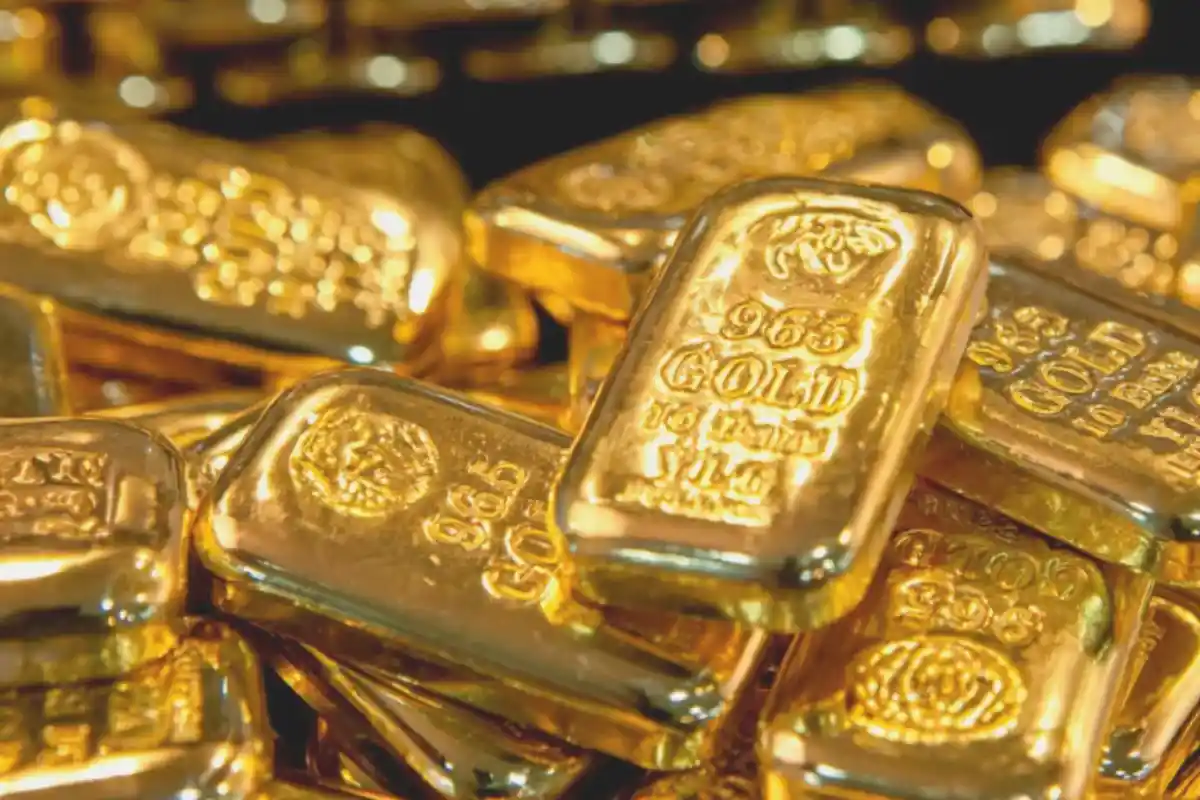
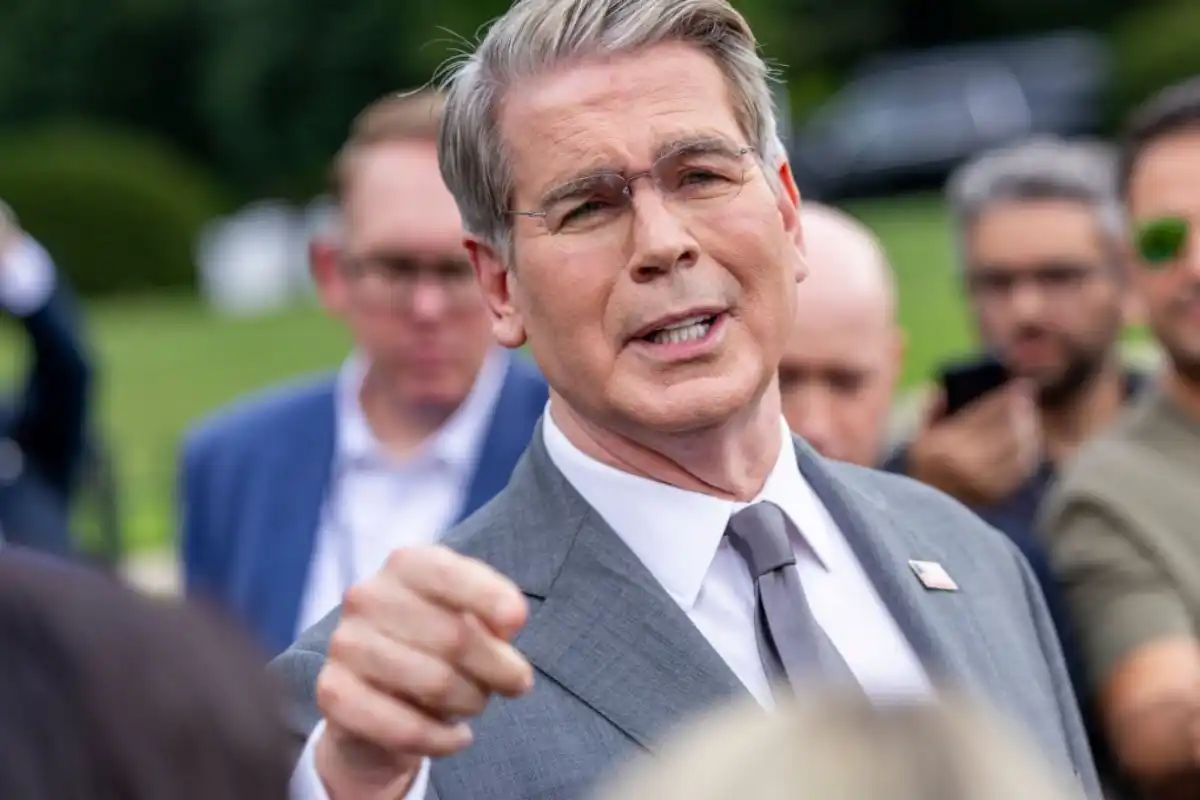
US Treasury Secretary Scott Bessent’s announcement of the so-called “Operation Economic Outcast” on Monday marks another major escalation in Washington’s long-running economic pressure campaign against Iran.
The new measures are aimed at cutting off Iran’s access to international revenue and financial channels. From August 24, the Treasury and other US agencies are expected to follow what Bessent described as a “zero leakage” policy.
Under the plan, countries that continue doing business with Iran could face restrictions from the US dollar-based financial system. Bessent also warned that major powers such as China could be targeted.
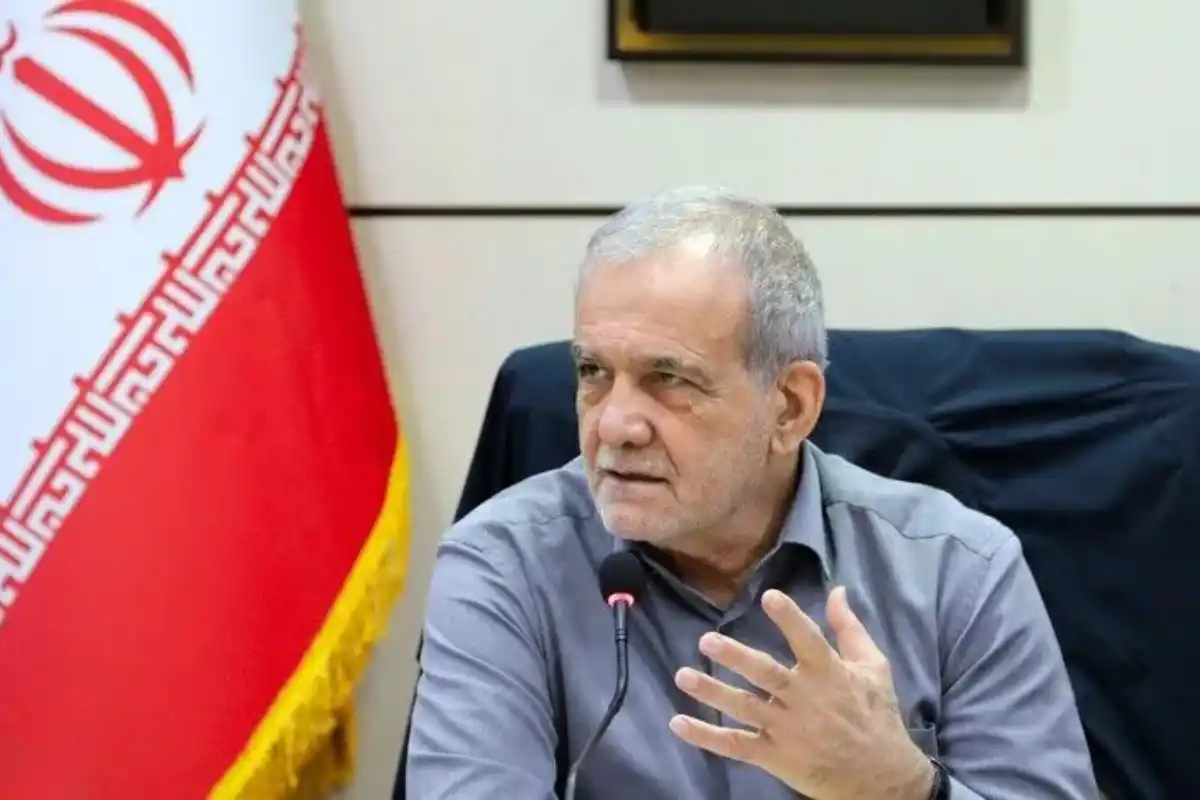
The latest measures are similar to the previous ‘maximum pressure’ campaign, which aimed to force Iran to change its policies. However, Iran has continued to adapt to sanctions, strengthen trade ties and develop ways to reduce their impact.
The renewed sanctions come after US military aggression against Iran failed to achieve Washington’s stated goals, according to the article. The latest economic pressure is therefore being presented as another attempt to force Tehran to change course.
The United States has imposed sanctions on Iran for decades, but the measures have not forced the Iranian leadership to surrender. Instead, Iran has developed new economic partnerships and expanded its regional relationships.
A history of failed pressure
US sanctions against Iran have continued since the 1979 Islamic Revolution. Successive US administrations have used economic pressure in an attempt to weaken Iran’s government or force it into making major concessions.
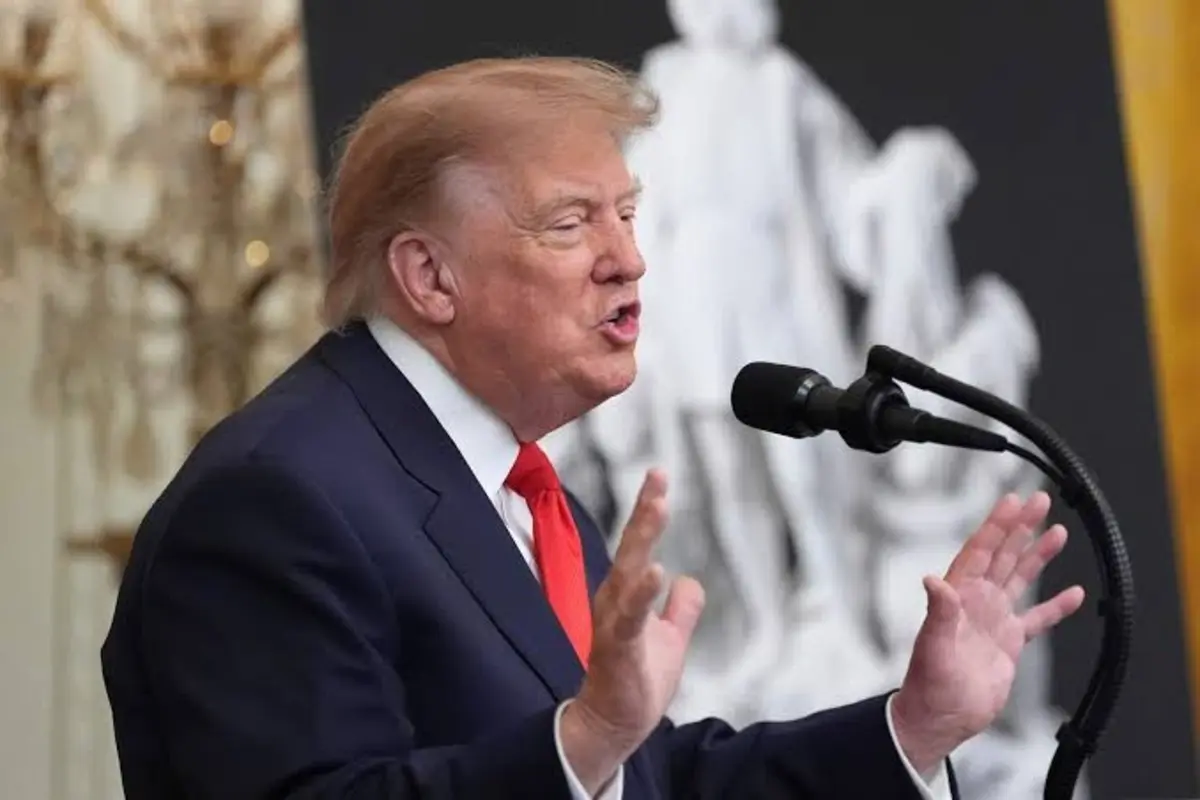
In 2012, the Obama administration described its sanctions as some of the most damaging ever imposed. In 2018, former President Donald Trump launched a new ‘maximum pressure’ campaign after withdrawing from the Joint Comprehensive Plan of Action (JCPOA), commonly known as the Iran nuclear deal.
The Biden administration continued many of the same policies, while the current Trump administration has promised an even stronger economic campaign.
Despite these efforts, Iran has continued to find ways to maintain its economy and strengthen its relationships with countries such as China and Russia.
Economic pressure also affects the US
The sanctions have also created economic risks for the United States and the wider global economy.
International oil prices rose after the latest sanctions announcement, while higher energy costs have added pressure on American consumers.
If the Strait of Hormuz remains closed for a longer period, further increases in oil prices could add to inflation and raise fuel costs in the United States.
This has created a difficult situation for Washington, as measures designed to pressure Iran could also increase costs for American households and disrupt global supply chains.
Military pressure has also failed to deliver results
The article argues that recent military conflicts with Iran have also failed to achieve Washington’s objectives.
After years of economic pressure, the United States turned to direct military action. However, the conflict did not force Iran to surrender and instead strengthened Iranian resistance and regional partnerships.
The failure of both military and economic pressure has raised questions about Washington’s strategy toward Tehran.
Why new sanctions may face challenges
Iran’s economy has already adapted to years of sanctions. The country has developed networks to continue trade, expanded non-oil exports and increased domestic production.
China and Russia have also strengthened their economic and strategic ties with Iran, giving Tehran alternative markets and sources of support.
The global economy has become more multipolar, making it harder for Washington to enforce its sanctions policies across all countries.
Iran has also become more experienced in dealing with sanctions and has taken steps to reduce its dependence on oil exports.
Call for diplomacy
The article argues that Washington should move away from economic pressure and focus on diplomacy.
It points to the memorandum of understanding (MoU) signed between Tehran and Washington following the 40-day Ramadan War as a possible framework for future negotiations.
For a lasting agreement, the article says sanctions relief would need to be genuine, comprehensive and durable.
It also argues that the Strait of Hormuz will only reopen once Iran’s demands are addressed.
The United States now faces a choice between continuing its pressure campaign or pursuing diplomacy. After decades of sanctions and military pressure, the article argues that negotiations and mutual commitments offer a better path toward reducing tensions.
The article concludes that Washington should lift primary and secondary sanctions and pursue a diplomatic solution rather than continuing a policy of military and economic pressure.
Catch all the World News, Breaking News Event and Trending News Updates on GTV News
Join Our Whatsapp Channel GTV Whatsapp Official Channel to get the Daily News Update & Follow us on Google News.
Must Read
Pakistan
Development Activities Continue Under Balochistan Special Development Initiative
10-October،2026