
UN Security Council Discusses Taliban Rule, Terrorism and Human Rights in Afghanistan

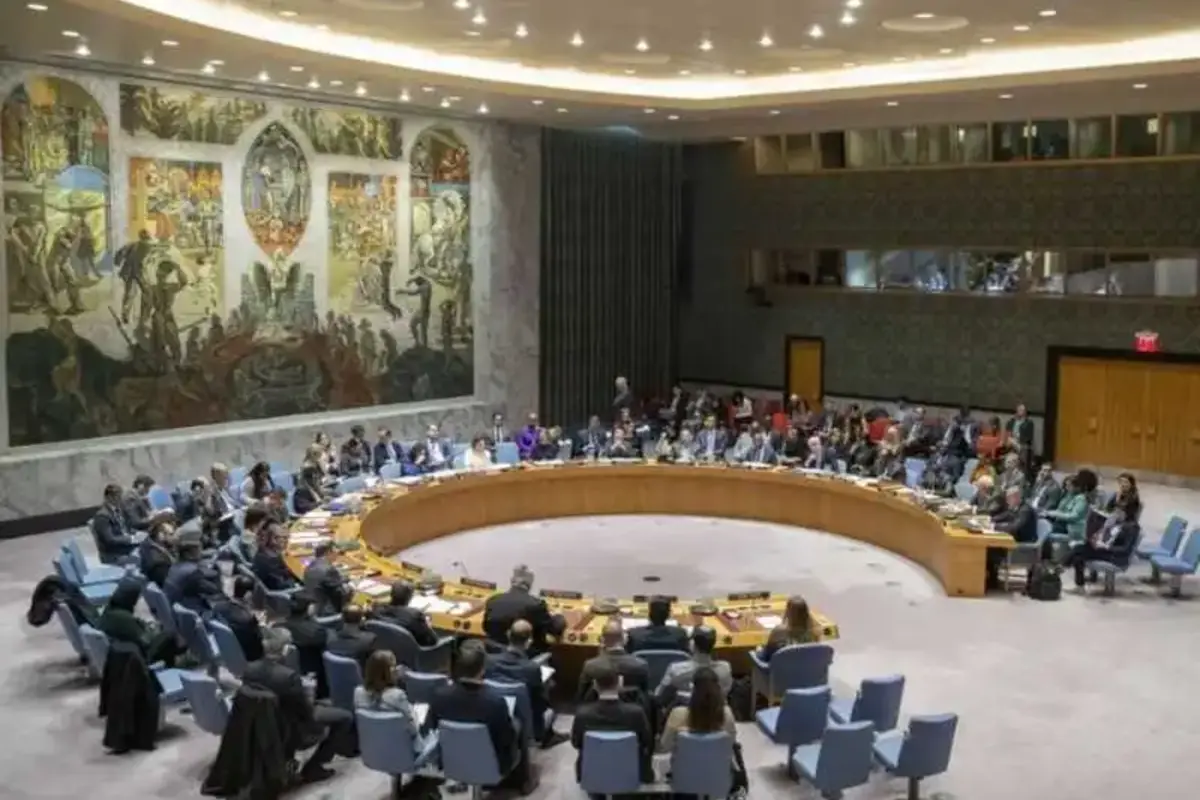
The United Nations Security Council has discussed Afghanistan’s security and humanitarian situation five years after the Taliban returned to power, with member states raising concerns over terrorism, human rights and regional stability. Pakistan’s Permanent Representative to the UN, Ambassador Asim Iftikhar Ahmad, described terrorism emanating from Afghanistan as a central challenge and said more than 4,700 Pakistanis had been killed in terrorist attacks originating from Afghanistan over the past three years.
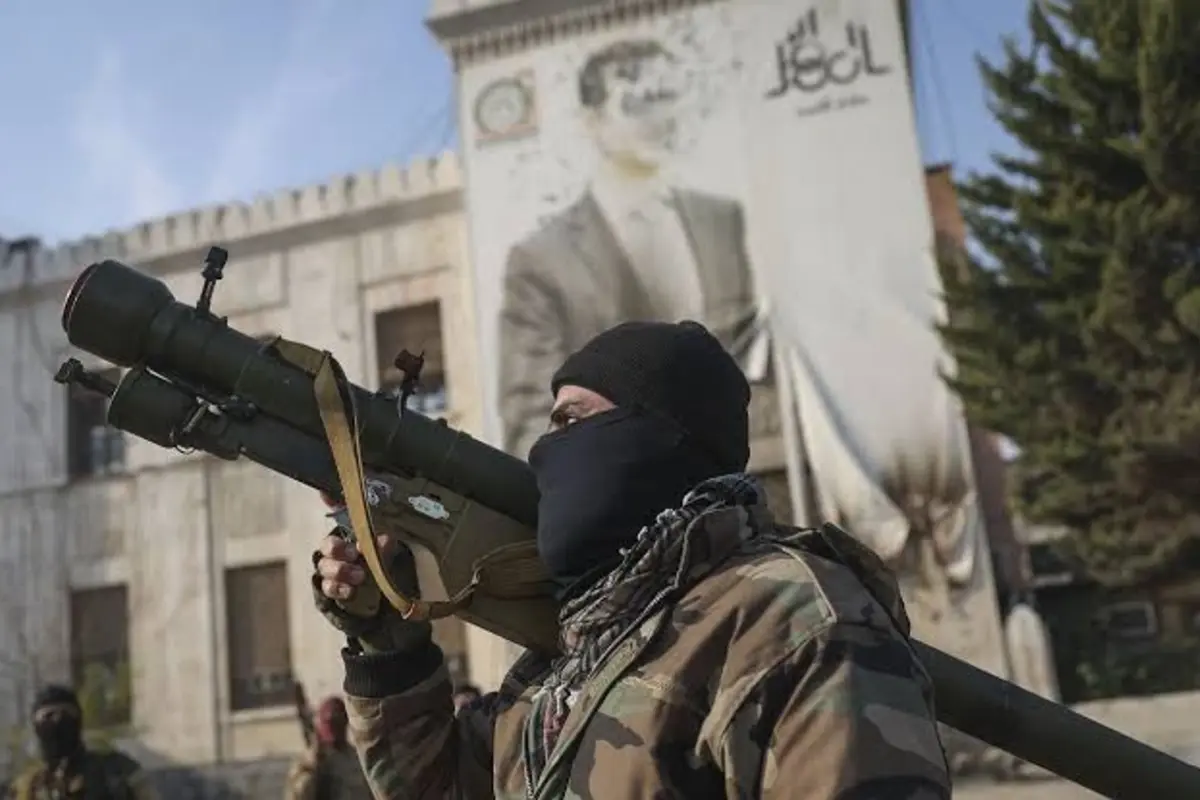
Ahmad told the Council that groups including the Tehreek-e-Taliban Pakistan (TTP), Balochistan Liberation Army (BLA) and its Majeed Brigade, and Islamic State Khorasan (ISIL-K) operate from or have networks linked to Afghan territory. He alleged that these groups have safe havens and that their activities have contributed to regional insecurity. Pakistan has also raised concerns over weapons left in Afghanistan following the withdrawal of foreign forces and the financing of militant groups through illicit economic networks. UN reporting has separately documented the presence and activities of several militant organizations in and around Afghanistan.
US Ambassador to the UN Mike Waltz also criticized the Taliban authorities over their treatment of women and girls, the detention of foreign nationals and the presence of militant groups in Afghanistan. UN reporting says more than two million Afghan girls have been denied access to secondary and higher education under the current restrictions, while international monitoring continues to document broader concerns over women’s rights and civil liberties.
Catch all the World News, Breaking News Event and Trending News Updates on GTV News
Join Our Whatsapp Channel GTV Whatsapp Official Channel to get the Daily News Update & Follow us on Google News.
Must Read