
UN Voices Concern Over Human Rights and Terrorism Risks in Afghanistan Under Taliban Rule

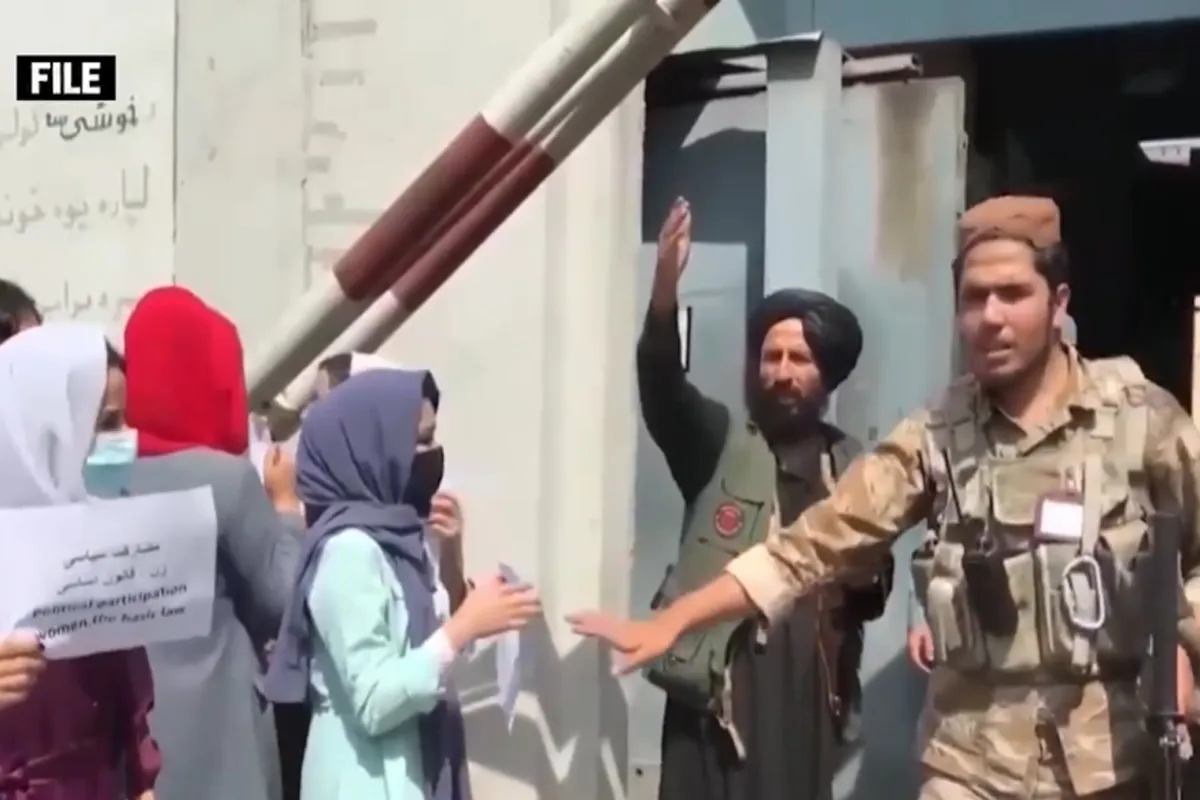
NEW YORK: The United Nations has renewed concerns over the situation in Afghanistan, highlighting continuing restrictions on women and girls, limited political inclusion, humanitarian pressures and the presence of terrorist groups operating from Afghan territory.
The UN Secretary-General’s latest report on Afghanistan, submitted to the Security Council on September 9, 2026, identifies persistent human rights concerns, economic pressures and terrorism-related risks among the country’s major challenges.
Restrictions on Women and Girls Remain Major Concern
The report places particular emphasis on what it describes as increasingly systematic restrictions affecting women and girls.
UN officials said women and girls continue to face severe limitations on education, employment, freedom of movement and participation in public life.
At a Security Council briefing on September 16, UN Deputy Special Representative for Afghanistan Georgette Gagnon said the country continued to face serious concerns over restrictions on women and girls, exclusionary governance and the human rights situation.
Concerns Over Terrorist Groups
The UN has also highlighted the continued presence of terrorist and extremist groups in Afghanistan.
The latest Security Council assessment warned that terrorist groups operating from Afghan territory could continue to pose risks to Afghanistan, neighbouring countries and wider international peace and security.
The UN’s terrorism monitoring mechanisms have continued to assess threats from groups including ISIL-K, while Security Council sanctions related to individuals and entities associated with the Taliban remain in force.
Governance and Political Inclusion Questioned
The latest report also raises concerns over the highly centralised and exclusionary nature of Afghanistan’s political system.
At the same time, the UN noted that the de facto authorities have continued efforts to maintain governance and economic activity and that armed conflict has declined significantly in many parts of the country.
UN officials said, however, that these developments have occurred alongside unresolved issues involving human rights, political inclusion and security.
Afghanistan Faces Economic and Humanitarian Pressure
The UN assessment also points to continuing economic and humanitarian difficulties, including declining capacity to provide basic services and growing pressure from refugee returns and displacement.
The 2026 Humanitarian Response Plan requires approximately $1.71 billion and was only 31.2 percent funded at the time of the latest assessment.
Regional instability and supply-chain disruptions have also complicated humanitarian operations and the delivery of assistance.
Security Situation Remains Complex
The UN recorded 2,947 safety- and security-related incidents between May 1 and July 31, including incidents affecting UN personnel.
The report also noted that armed opposition groups remained fragmented and largely locally focused, with their activities not having significantly challenged the de facto authorities’ territorial control during the reporting period.
The latest UN findings therefore present a complex picture: while large-scale fighting has declined in many parts of Afghanistan and some economic stabilisation has been reported, the country continues to face serious challenges involving human rights, women’s rights, political inclusion, humanitarian needs and terrorism.
Catch all the World News, Breaking News Event and Trending News Updates on GTV News
Join Our Whatsapp Channel GTV Whatsapp Official Channel to get the Daily News Update & Follow us on Google News.
Must Read

Entertainment
Pakistan Considers Stricter Social Media Rules to Curb Indecent Content
18-September،2026

Entertainment
Salman Iqbal Reveals ARY Plus Plans to Become Biggest Urdu Streaming Platform
18-September،2026