
Four Standards, One Authority: How PSBA Is Raising the Bar for Public Institutions in Punjab

In Pakistan’s public sector, independent audits are often treated as an obligation to endure rather than an opportunity to improve. The Punjab Sahulat Bazaars Authority (PSBA) has taken a different approach, inviting external assessment of its management systems, information security and market operations.
The authority has secured two international management-system certifications, completed the final audit for a third and begun work towards a fourth. Together, these initiatives reflect an effort to bring greater structure, accountability and measurable performance to a public service organisation.
Four standards, four areas of focus
PSBA has achieved ISO 9001:2015 Quality Management System certification from SGS, an international inspection and certification company. It has also secured ISO/IEC 27001:2022 Information Security Management System certification from RICI, according to information provided by the authority.
In the area of occupational health and safety, SGS has completed the final audit for ISO 45001:2018 and recommended certification. The certificate is expected by November 2026, subject to the certification process.
PSBA is also working towards ISO 14001 environmental management certification. The authority says it is implementing the environmental management standard ahead of an SGS audit.
The distinction matters: two certifications have been achieved, one remains pending following an audit recommendation, and the environmental certification process is still under way.
For an organisation operating public markets across Punjab, these standards can help formalise procedures, strengthen record-keeping, improve information security and establish clearer responsibilities. Certification also brings continuing obligations, including maintaining the required systems and undergoing surveillance audits where applicable.
The challenge is not simply to obtain certificates but to ensure that the systems behind them remain effective in everyday operations.
A dedicated effort to improve governance
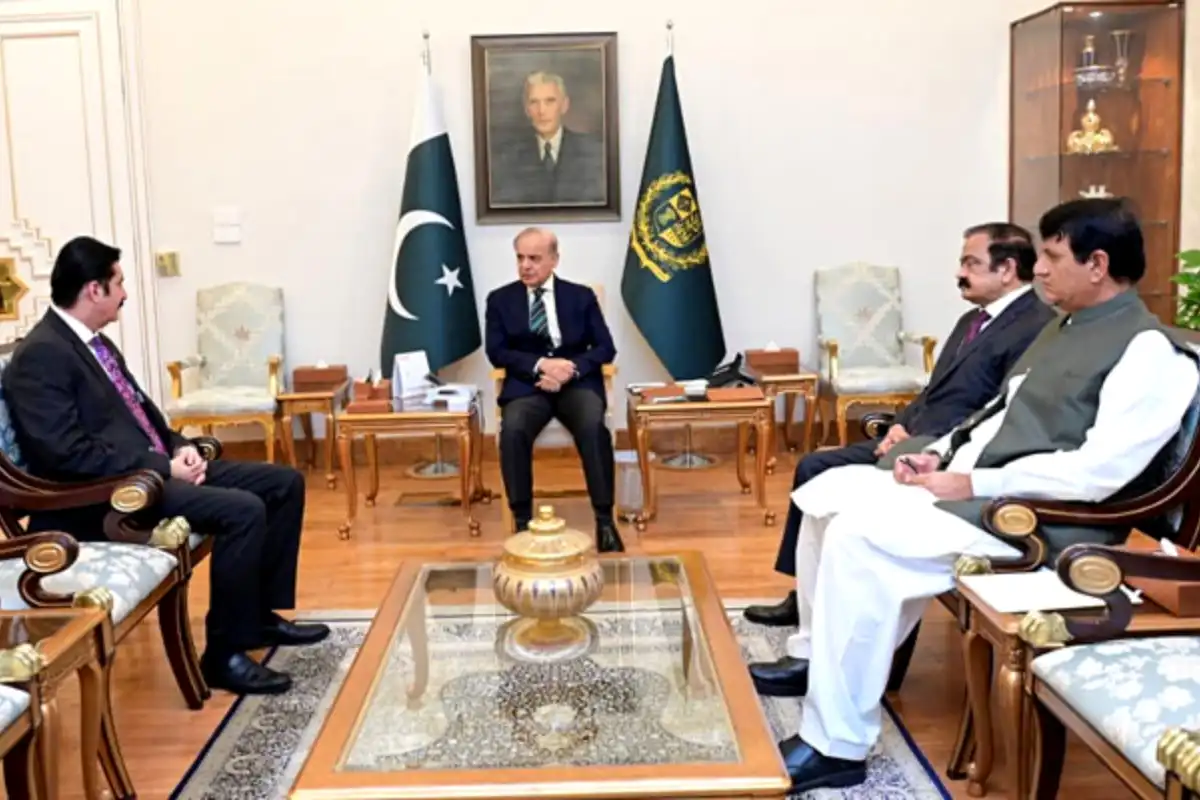
The certification programme has been pursued under the leadership of PSBA Director General Naveed Rafaqat Ahmad, who has established a dedicated team to coordinate the work.
Ahmad is a chartered accountant trained through the UK’s Institute of Chartered Accountants in England and Wales (ICAEW). He previously served as finance chief and later chief executive of the Punjab Model Bazaars Management Company.
According to the background information provided for this feature, he led the organisation through a period in which its revenue exceeded Rs1.5 billion and subsequently oversaw its transition into a statutory authority under an Act of the Punjab Assembly in 2025.
Alongside his administrative responsibilities, Ahmad has published more than 30 research papers on public finance and governance and examines doctoral candidates at university level.
The emphasis on formal standards reflects a management approach built around documented procedures, measurable targets and external scrutiny. For a public institution, the lasting value of that approach will depend on whether it translates into consistent service delivery and transparent performance.
Independent assessment of market performance
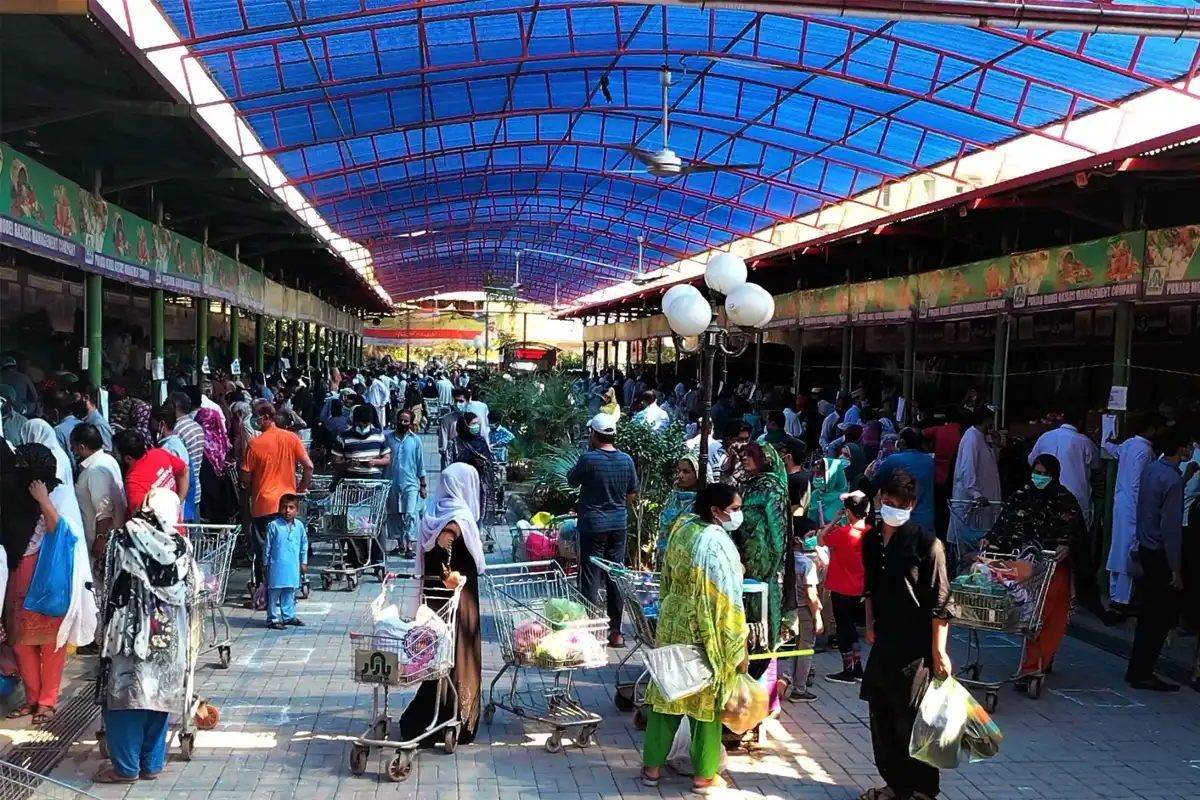
PSBA has also sought external evaluation of its consumer-facing operations. The authority commissioned international research firm Ipsos to assess its Ramzan 2026 activities.
According to the figures supplied for this article, Ipsos surveyed more than 6,500 people across 75 Sahulat Bazaars in 35 districts.
The assessment recorded consumer satisfaction of 94 per cent and vendor satisfaction of 98 per cent. It estimated annual footfall at 189 million visits, including 40.6 million visits during Ramzan alone.
The authority’s figures also indicate that essential commodities were available at prices up to 40 per cent below those in the open market and up to 18 per cent below official district rates.
PSBA says its network supports more than 12,000 stalls, over 23,800 direct jobs and more than 78,700 indirect jobs. The assessment also recorded average increases of 24 per cent in vendor sales and 23 per cent in net profit margins.
These figures, if supported by the underlying Ipsos report, provide a broader basis for evaluating the programme than institutional announcements alone. They point to the importance of assessing public markets not only by the number of locations they operate, but also by consumer experience, price differences and the commercial performance of participating vendors.
The methodology behind the survey, including how footfall was estimated and how changes in vendor sales and profit margins were calculated, would be important to understanding the full significance of the findings.
Environmental responsibility enters the agenda
PSBA’s governance programme also includes an environmental component. The authority has signed a memorandum of understanding with WWF-Pakistan and is implementing the Green Office Programme at its headquarters.
The initiative covers energy and water conservation, reducing paper consumption, recycling and more environmentally responsible purchasing. PSBA says its work is aligned with the United Nations Sustainable Development Goals.
These measures could help reduce the authority’s environmental footprint, although their longer-term impact will depend on implementation and measurable results.
The programme is being pursued under the vision of Punjab Chief Minister Maryam Nawaz Sharif and the directions of PSBA Chairperson Muhammad Afzal Khokhar, MNA.
The real test is sustained performance
PSBA’s certification drive comes with a clear challenge: maintaining the standards as its network expands.
The authority is opening new Sahulat Bazaars and Sahulat-on-the-Go markets across tehsils in Punjab. Expansion can increase access to essential goods and create opportunities for vendors, but it also makes consistent management, staff training, information security and oversight more demanding.
Certifications are not permanent guarantees of performance. Organisations must continue to meet applicable requirements, address shortcomings and maintain effective systems to retain them.
The same principle applies to consumer satisfaction and affordability. Independent assessments need to be repeated, their methods made clear and their findings used to improve operations.
PSBA’s significance, therefore, lies not in the number of standards it has pursued but in whether external assessment becomes a lasting part of its institutional culture. If its systems remain effective as the network grows, the authority could offer a useful example of how public institutions can strengthen accountability by allowing their work to be examined.
Catch all the Pakistan News, Breaking News Event and Trending News Updates on GTV News
Join Our Whatsapp Channel GTV Whatsapp Official Channel to get the Daily News Update & Follow us on Google News.
Must Read


Pakistan
Development Activities Continue Under Balochistan Special Development Initiative
10-October،2026