
Pakistan Receives First LNG Cargo in October as Winter Gas Supply Concerns Persist

Pakistan has received its first liquefied natural gas (LNG) cargo of October from Qatar, but concerns over gas availability during the winter of 2026–27 remain unresolved as demand is expected to rise sharply.
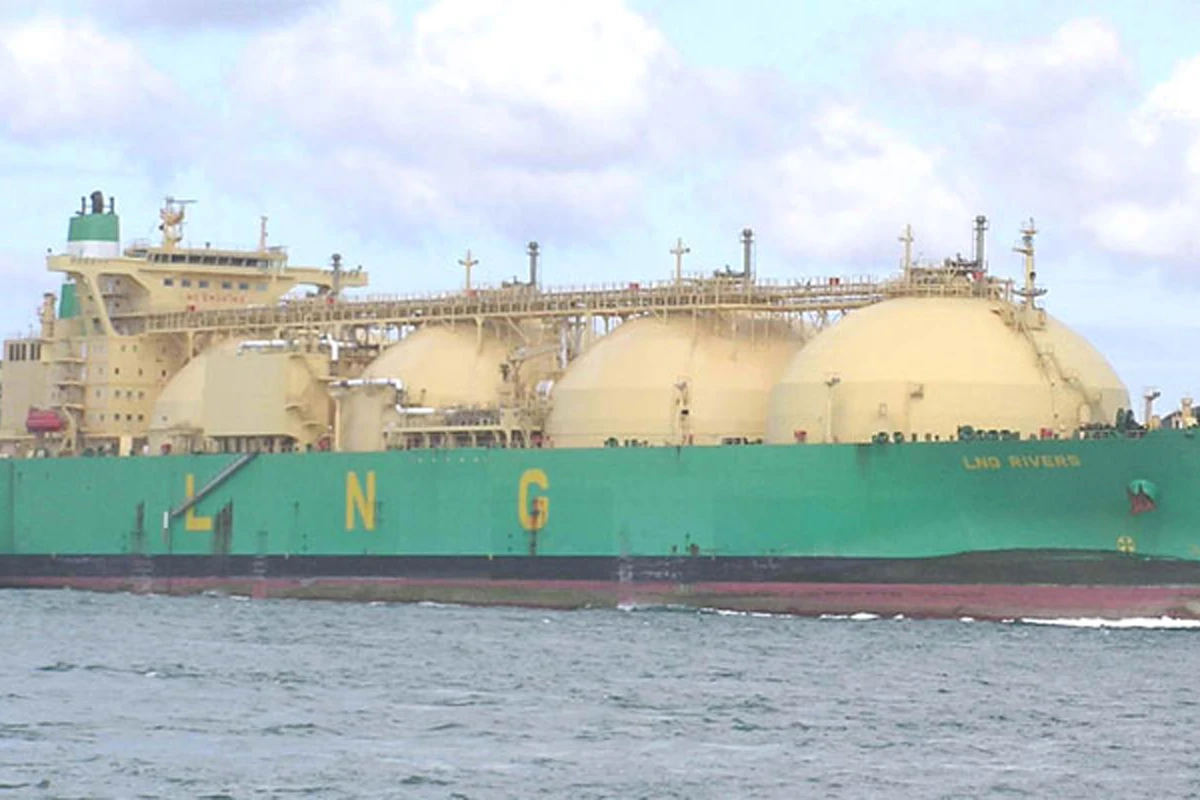
The LNG carrier Al Areesh berthed at Engro’s LNG terminal at 11:05am on Tuesday. The process of regasification, which converts LNG back into natural gas for supply through the national network, began at noon.
The arrival provides a much-needed addition to Pakistan’s gas supplies. However, the country is expected to require 24 LNG cargoes to meet its requirements during the coming winter, raising questions about whether sufficient supplies will be available to meet demand across households and industrial sectors.
Gas consumption is expected to increase substantially as temperatures fall. Sui Northern Gas Pipelines Limited (SNGPL), which serves northern parts of the country, could see daily demand rise from the current 550 million cubic feet to 1,550 million cubic feet.
Sui Southern Gas Company (SSGC) is also expected to face higher demand, with consumption potentially increasing from 300 million cubic feet per day to 500 million cubic feet per day.
The projected rise would place additional pressure on the country’s gas distribution system, particularly if imported LNG supplies remain limited or scheduled cargoes do not arrive as required.
Industrial sectors face potential disruption
Limited supplies and higher winter demand could affect several industrial sectors. Export-oriented industries, non-export industries, compressed natural gas (CNG) stations and cement manufacturers are among the sectors facing the risk of reduced or unavailable gas supplies during the colder months.
Any interruption could affect industrial operations, production schedules and business costs. Export-oriented manufacturers could also face difficulties meeting orders if energy supplies are restricted during peak winter demand.
Pakistan relies on a combination of domestic gas production and imported LNG to meet its energy requirements. Imported cargoes are particularly important when domestic production cannot cover consumption, especially during periods of higher seasonal demand.
The arrival of the October cargo is therefore an important development, but it does not by itself resolve the wider supply challenge.
The key issue for the coming winter will be whether Pakistan can secure sufficient LNG shipments and manage the competing needs of households, power generation and industry.
With demand expected to rise sharply across both SNGPL and SSGC networks, the availability and timely delivery of the required cargoes will be crucial in determining whether Pakistan can avoid significant gas shortages during winter 2026–27.
Catch all the Business News, Breaking News Event and Trending News Updates on GTV News
Join Our Whatsapp Channel GTV Whatsapp Official Channel to get the Daily News Update & Follow us on Google News.
Must Read