Wed, 24 Jun 2026
Wed 1448/01/09AH (24-06-2026AD)

Latest News

Introduction

Website Incharge at GTV News

Latest Articles

3 Indians Killed in US; Modi’s Foreign Policy Faces Scrutiny From Within as America Refuses to Apologize

When a supposed strategic partner kills your sailors and won't say sorry, the silence from your own government becomes the…

Media Coalition Calls for Strengthened Investment and Accountability on Population and Social Sector Priorities

Islamabad, June 15, 2026 — Journalists, policy experts, and development practitioners convened at the Media Coalition Meeting titled “Population Stabilisation and Resource Allocation: Media’s Role in Promoting Accountability,” organised by the Population Council in collaboration with UNFPA. The meeting underscored population stabilisation as a central economic and development priority and called for stronger, sustained public investment in family planning and the broader social sectors.   In his opening remarks, Dr. Ali Mir, Country Director, Population Council, highlighted the importance of sustained political commitment and adequate financing for population and development priorities. He stressed that health and education funding are essential investments in the future of the country, while calling for renewed attention to strengthening frontline systems, particularly the Lady Health Worker programme. He also underscored the role of culturally grounded approaches, noting that “birth spacing is consistent with Islamic teachings where maternal and child health are concerned.”   Presenting key evidence, Mr. Ikram ul Ahad, Manager Communication, Population Council, highlighted the disconnect between demographic trends and public financing priorities. He observed that “Pakistan continues to grow at around 2.5 percent annually, yet investment in population welfare remains a very small share of the public budget compared with other countries in the region.” Emphasising accountability, he urged that “data must be used more effectively to hold duty-bearers accountable to national commitments, including the CCI target of reducing fertility to replacement level.” He further noted that “family planning is among the most cost-effective public investments, with clear returns for health, economic stability, and human development.”   Providing a macroeconomic perspective, Mr. Ammar Ali Qureshi, Senior Economic Advisor, framed population stabilisation as a strategic imperative. He noted, “Population stabilisation is not merely a demographic concern—it is a macroeconomic necessity,” adding that “the country’s declining economic trajectory reflects the combined pressures of rapid population growth and structural economic challenges.” He emphasised that “education, particularly of girls, and women’s economic participation are decisive levers for reducing fertility and unlocking long-term growth.”   Participants from across the country, representing leading national and local media outlets, highlighted governance, financing, and service delivery gaps affecting population and development outcomes. The discussion underscored persistent provincial disparities, limited access to quality health and education services, and the need to address both social and structural barriers, including women’s empowerment and male engagement in family planning. Participants also emphasised the importance of transparency, improved access to information, and the strategic use of media—particularly digital platforms and storytelling—to strengthen public understanding and support behaviour change. Broader linkages between population dynamics, economic pressures, urbanisation, and human capital development were also emphasised.   The meeting reinforced that population stabilisation is a cross-cutting national priority with direct implications for economic growth and human development. Participants called for increased and protected financing for population and social sectors, improved institutional coordination, and a stronger focus on effective service delivery.   A key takeaway was the critical role of the media in strengthening accountability and sustaining informed public discourse. Participants emphasised that evidence-based reporting can help bridge the gap between policy commitments and implementation while elevating population issues within national priorities.   The meeting concluded with a shared recognition that achieving population stabilisation requires sustained political will, adequate financing, and informed public engagement. Media professionals reaffirmed their commitment to strengthening evidence-based coverage of population and development issues, with a focus on accountability and long-term national priorities.

Chinese Firms Likely to Join Reko Diq Project as Pakistan Eyes $74 Billion Economic Windfall

ISLAMABAD: Pakistan's flagship Reko Diq copper and gold project has reached a significant milestone, with authorities considering the inclusion of…

Israeli Airstrikes Kill 9 in Gaza City Residential Buildings – 4 Children Among the Dead

They went to sleep believing the ceasefire would hold. They did not wake up. Israeli warplanes struck residential apartment buildings…

Trump’s Private Red Line: American Casualties Would End Iran Ceasefire, WSJ Reports

The ceasefire has a kill switch — and the Wall Street Journal just revealed what it is. President Donald Trump…

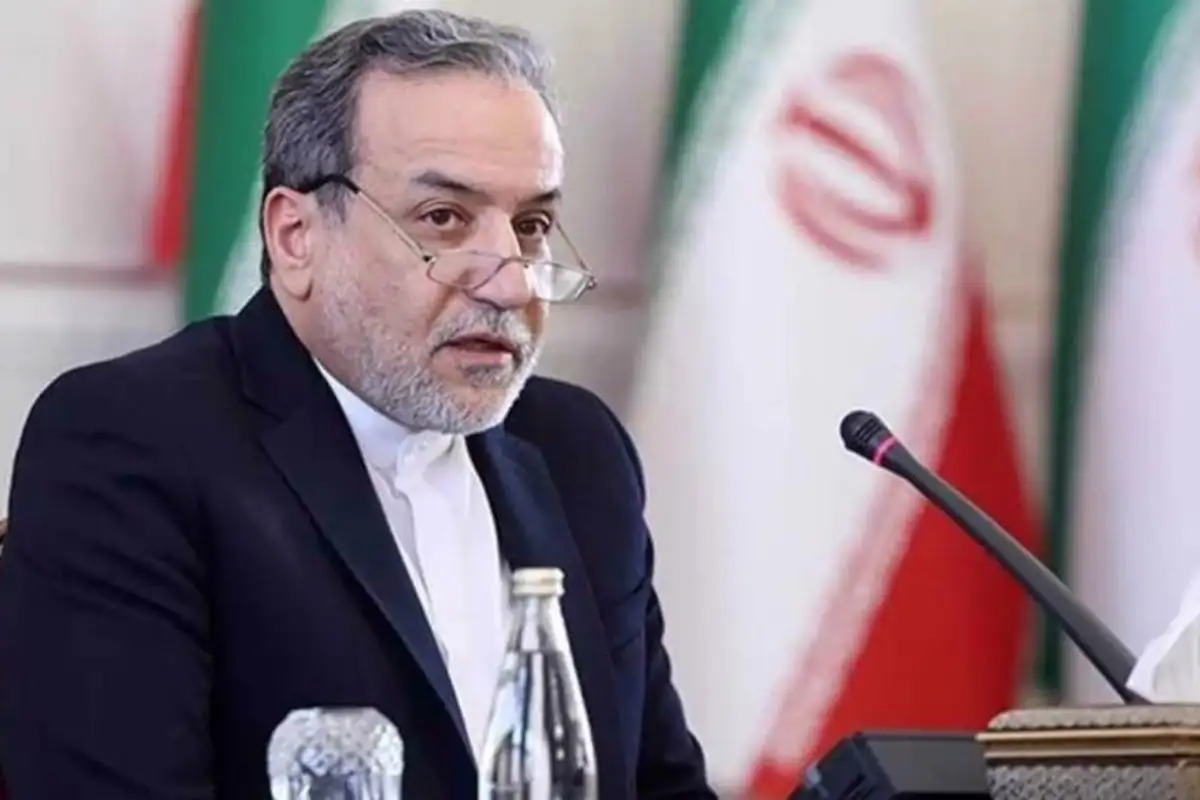
Araghchi Interview: Iran Claims Credit for Stopping Beirut Strike, Reveals Pakistan’s Role in Ceasefire

The Iranian foreign minister has given his most detailed public account of the conflict's diplomatic endgame — and his version…

Israel-Lebanon Ceasefire Agreed With Hard Conditions – Hezbollah Withdrawal, No Non-State Forces South of Litani

Washington has brokered a ceasefire framework. But the hardest part — implementation — hasn't started yet. The US State Department…

Trump Signals Iran Breakthrough ‘Within Days’ — But His Own Statements Reveal the Deal’s Fault Lines

The President is projecting confidence. A closer reading of what he actually said tells a more complicated story. US President…

Iran-US Peace Framework: A Four-Phase Deal Structure With a Joint Monitoring Committee – And One Non-Negotiable Condition

For the first time, Iran's negotiating team has put a specific architecture on the table. Understanding what each phase requires…

Iran Opens Middle East’s Largest Cancer Hospital in Tehran – 18 Floors, 37 Departments, Built Under Sanctions

While geopolitical headlines focus on missiles and diplomacy, Tehran just inaugurated a medical facility that redefines healthcare ambition in the…

Scroll to Top