
Parsi Community and Development of Modern Karachi

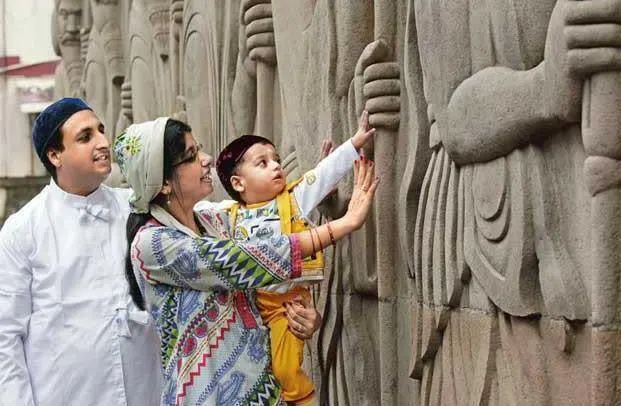
“Maro dikra, if you want to know and feel Karachi, you must understand the Parsis too,” the old gentleman said with a smile. “We were never a big community or in large number but since I could not leave Karachi still all my relatives big tycoons in India, Europe call me but I love the Tea here, but we were here when Karachi was still a small port town. Our ancestors came from Bombay and Gujarat mostly in the mid-1800s but like Parsis have been so coward (with Impish grin he changed it to peaceful), looking for opportunity. They were traders, contractors, shipbuilders, and businessmen.
Karachi was growing under the British, and our people saw a future here. They built homes, opened businesses, and slowly became part of the city’s foundation, Dikro! To me there can be a lot of history written and discussed too but to me I was a business owner not knowing any other part of Karachi nobody we could talk to except some police and custom people that too for business.
Ardeshir Uncle was bent on giving me a typical Parsi food while talking Zubin Aunt brought some kind of egg with onions and things called “Akuri” but it was so tasty, I loved it! They talked something in Gujrati then again Ardeshir Uncle continued, Zubin and I enjoyed a lot at the beach, it was not like today, Zubin was always jealous when I used to see German and UK tourists he said winking at me. Aey! you know all these dramas, I was about to think of an old drama but Ardeshir Uncle said these people would come all the way to have a happy hour and then boast about a Revolution, all was a drama until Zia brought a climax and Karachi changed drastically into an Extremist place.
He paused for a moment and pointed toward the old parts of the city. “You see, Parsis always believed that if a city gives you a living, you must give something back to the city. That’s why our people became involved in public service. We built schools, hospitals, dispensaries, parks, and charitable institutions. Names like Jamshed Nusserwanjee is still remembered because they helped shape modern Karachi. We were not interested only in making money; we believed in making the city better for everyone, still the ancient building, monuments and cultural heritage shown to the World with pride was built by Parsis.”
“Our community was small but very close-knit,” he continued. “Most of us lived around Saddar and later in Parsi Colony. Children grew up knowing every family on the street. We celebrated our festivals together, visited the fire temple, and helped one another in difficult times. Education was very important to us. Parents wanted their children to become doctors, lawyers, engineers, and teachers. That is why Parsi schools earned such a good reputation.”
When asked about language, he laughed softly. “At home, the older generation spoke Gujarati mostly. My grandparents hardly spoke anything else. But we were practical people. We spoke English in school, Urdu in the market, and Sindhi when needed. A Karachi Parsi could easily switch between three or four languages in one conversation. Today, English is more common among the younger generation, and sadly Gujarati is not heard as much as before, He said but I don’t argue on this with my Dikras the societal change always bring something positive, we were always on the “Galla” worried about closing and opening of business, going to bank, re-buying inventory but my grandson does it all on his cell phone, I am still old school, but I keep telling them about business as well, they treat servants differently now, I our times we were strict but at the same time kind and gentle”.
“And food?” he said, his eyes lighting up. “Now that’s a subject worth discussing! Every Parsi family has its own recipes. We grew up eating dhansak on Sundays, sali boti on special occasions, and patra ni machhi at celebrations. Then there was lagan nu custard at weddings. Food was never just food for us. It was family, tradition, and memory all served on one plate.”
His expression became thoughtful. “The Karachi I grew up in was different. There were more Parsis then. Our community halls were full, our events were lively, and children played in the colony streets until late evening. Over the years many families moved to Canada, Australia, Britain, and elsewhere. Opportunities abroad attracted the younger generation, and our numbers slowly became smaller.”
“But even today,” he said proudly, “the Parsis have not disappeared from Karachi. You can still see our schools, our charitable trusts, our historic buildings, and our colony. The community may be smaller, but our connection to this city remains strong. Whenever I walk through old Karachi, I feel that a little piece of our story is written into its roads, its institutions, and its character. We helped build this city, and in many ways, Karachi helped build us as well.”
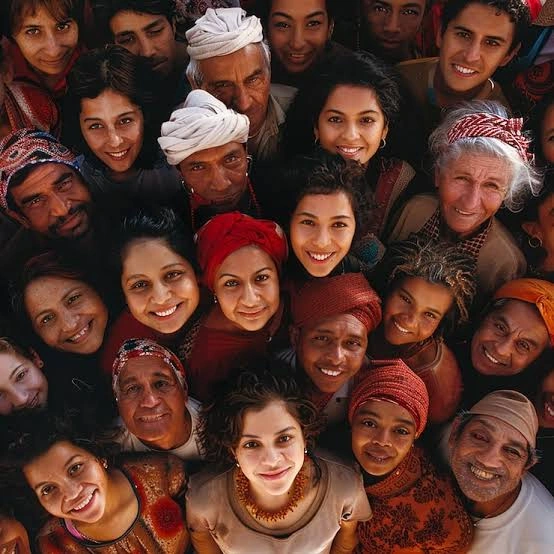
Still in Karachi the diversity and multi ethnic backgrounds make the city vibe liveable after all the problems and incidents this city has faced. I would like to end with a dedication to all the “Parsi” in the World, Salute to them for the humanitarian and Philanthropy work they have added to make this World a better place.
“They were few in number, yet vast in character like the sea; In the making of Karachi, the Parsis are a shining sight to see”.
Catch all the Blogs News, Breaking News Event and Trending News Updates on GTV News
Join Our Whatsapp Channel GTV Whatsapp Official Channel to get the Daily News Update & Follow us on Google News.
Must Read
World
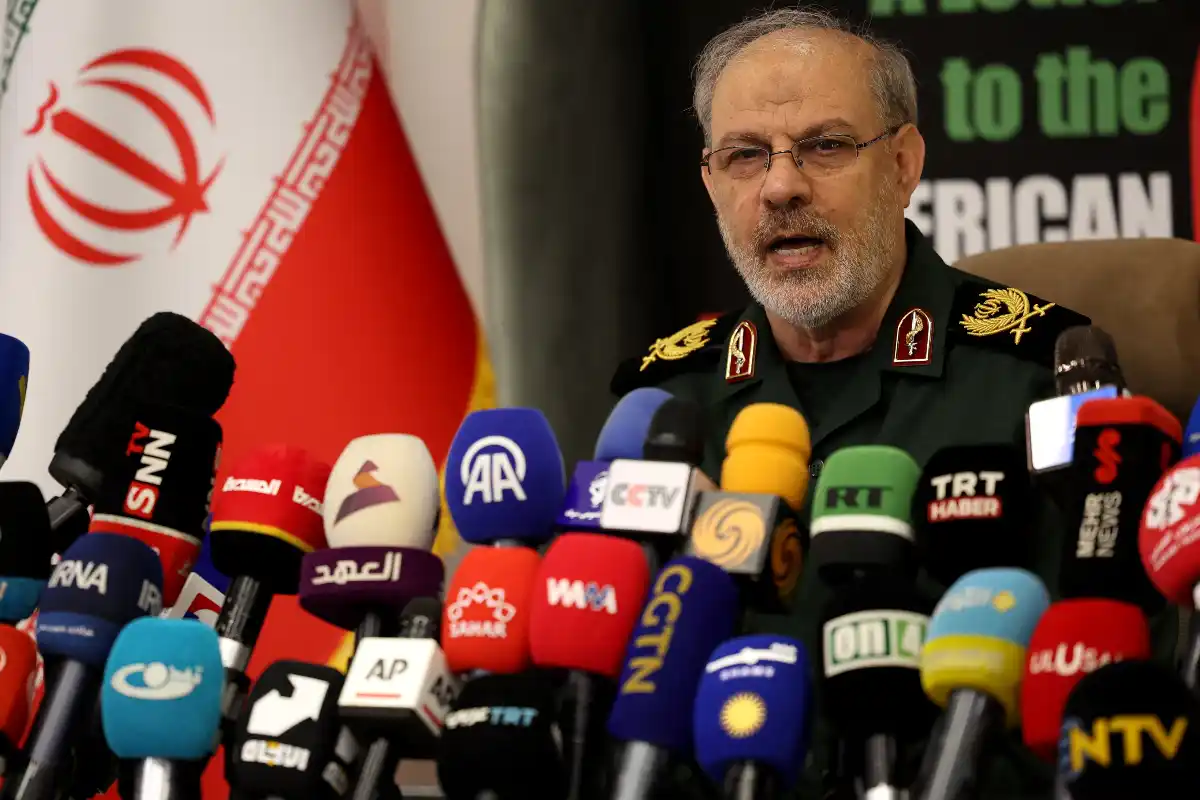
Iranian Guards Official Calls Trump a ‘big liar’ Over Nuclear Claims and Hormuz
29-September،2026
Pakistan
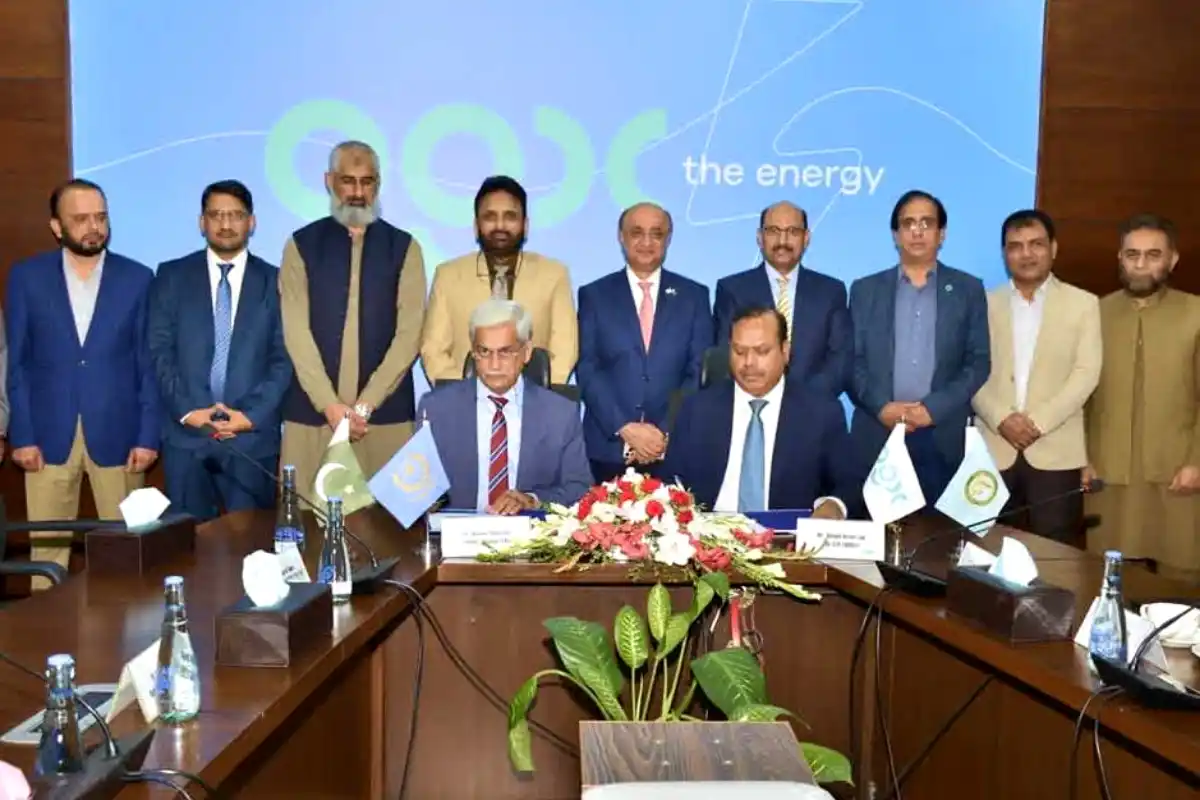
OGDCL, PINSTECH sign agreement to assess lithium, rare earth potential in produced water
29-September،2026