
Dua Lipa Sues Samsung for $15 Million: What the Case Reveals About Celebrity Image Rights in the Digital Age

One backstage photo. One product launch. One lawsuit that could reshape how brands use celebrity images without consent.
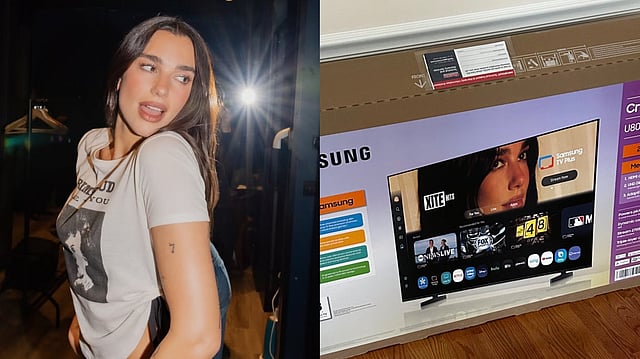
Dua Lipa did not sign a Samsung endorsement deal. She did not pose for their cameras, approve their packaging, or negotiate a fee. Yet according to a lawsuit filed in a California court, her image ended up on Samsung television product packaging anyway — and the company reportedly profited from the association.
The lawsuit, seeking at least $15 million in damages, is more than a celebrity dispute. It is a test case for where the line sits between a brand opportunistically leveraging a famous face and the legal rights of the person that face belongs to.
What Actually Happened
The complaint centers on a backstage photograph taken at the Austin City Limits music festival in 2024. Dua Lipa’s legal team alleges Samsung used that image on promotional material for its television products in a manner that implied she endorsed the brand. The argument is not simply that her photo appeared without permission — it is that its placement and context actively misled consumers into believing she had a commercial relationship with Samsung that did not exist.
This distinction matters legally. Unauthorized use of an image is one category of claim. Using that image in a way that constitutes false endorsement is a separate and potentially more damaging allegation, because it involves not just the individual’s rights over their likeness but consumer protection principles and the commercial value of the implied relationship.
The Legal Framework: Right of Publicity and False Endorsement
California is one of the strongest jurisdictions in the world for celebrity image rights, which is precisely why this case was filed there. The state recognizes both a statutory right of publicity under California Civil Code Section 3344 and a common law right that extends beyond it. These laws give individuals — particularly public figures whose identities carry commercial value — the right to control how their name, likeness, voice, and image are used for commercial purposes.
False endorsement claims typically run alongside these under the Lanham Act, the federal trademark statute, which prohibits misrepresentations that deceive consumers about a product’s origin or the identity of those who support it. When a brand uses a celebrity’s image in a commercial context, the legal risk is not just invasion of privacy — it is active deception of the consumer marketplace.
Dua Lipa’s team is pursuing both angles: compensatory damages of at least $15 million, disgorgement of profits Samsung earned through the alleged unauthorized use, and an injunction preventing any further commercial deployment of her image.
Why $15 Million Is Not an Arbitrary Number
Celebrity endorsement fees at Dua Lipa’s level of global recognition are not modest. Major artists with her commercial profile — multiple Grammy wins, hundreds of millions of streaming listeners, a sustained crossover presence in fashion and luxury — command endorsement contracts in the range of several million dollars per campaign, often significantly more for global electronics brands. Samsung, as one of the world’s largest consumer electronics companies, runs campaigns with substantial marketing budgets.
The $15 million figure likely reflects a combination of estimated market-rate endorsement value, reputational harm, and a deterrent premium designed to make unauthorized use economically irrational compared to simply negotiating a legitimate deal. Courts in California have awarded significant right-of-publicity damages in comparable cases, particularly where the unauthorized use was commercial in nature and the subject’s image carried demonstrable market value.
A Pattern Bigger Than One Case
This lawsuit sits within a broader and accelerating tension between brand marketing practices and celebrity image rights. The digital era has made high-quality photographs more accessible, more shareable, and more easily repurposed than at any point in history. Festival photography, red carpet images, and candid shots circulate across licensing platforms, social media, and brand asset libraries in ways that make the chain of authorization difficult to trace — and easy to break.
Brands have faced right-of-publicity claims involving everyone from musicians and athletes to actors and social media personalities. The common thread is usually the same: a marketing team finds a compelling image, licenses it or acquires it through a third party, and deploys it without adequately verifying whether that license covers the specific commercial use being made of it — particularly when the use implies endorsement rather than simply featuring a person in a crowd.
Samsung has not issued a public statement. That silence is standard legal procedure and carries no implication of guilt. But the company will need to establish either that the use was authorized through a legitimate chain of rights, that the image does not constitute a protectable commercial use of Dua Lipa’s likeness, or that the context did not imply endorsement. Each of those arguments faces the factual specifics of how and where the image appeared.
A settlement is the statistically likely outcome — the majority of right-of-publicity cases resolve before trial. But even a settlement carries consequences. It establishes a price point that future brands will factor into decisions about image use. It signals that artists and their legal teams are watching commercial deployments of festival and event photography carefully. And it adds to a body of case outcomes that incrementally clarifies where the law sits.
If the case reaches a judicial ruling, it could contribute to clearer precedent on what constitutes implied endorsement in product packaging contexts — a question that has become more pressing as brands increasingly use lifestyle imagery featuring recognizable figures in ways that blur the line between ambient presence and commercial association.
For the music industry and celebrity management community, the case is a reminder that image rights are among the most commercially significant assets a public figure controls — and that enforcing them, publicly and through the courts when necessary, is part of protecting the value of a career built over years of work.
Disclaimer; This article is based on publicly available court filing information and legal analysis. Samsung has not issued a public statement. The litigation is ongoing.
Catch all the Entertainment News, Breaking News Event and Trending News Updates on GTV News
Join Our Whatsapp Channel GTV Whatsapp Official Channel to get the Daily News Update & Follow us on Google News.
Must Read
Pakistan
PM Shehbaz Sharif Hails Pakistan-China Ties at Chinese National Day Ceremony
30-September،2026


World
Iraqi Resistance Groups Welcome US Withdrawal, Call for Air Defense Strengthening
30-September،2026