From Dance Parties to 800 Clients: How Karachi’s Cocaine Queen Anmol aka Pinky Built a Network

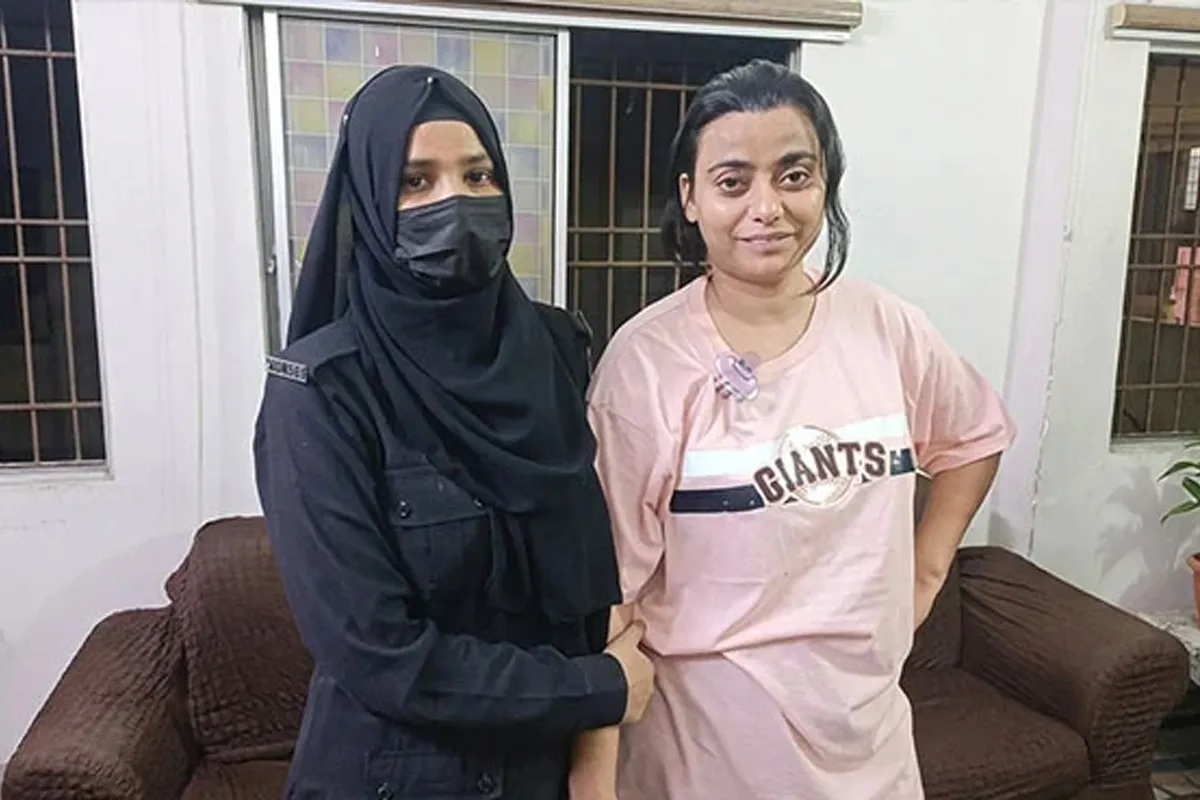
Court Indicts Anmol Aka Pinky in Drug Case
A woman from Baloch Para ran one of Karachi’s most sophisticated drug distribution networks for nearly two decades. The more troubling question is how she did it so openly, for so long.
Karachi’s Garden Police arrested Anmol, alias Pinky, on Wednesday — a woman law enforcement sources describe as one of the city’s most active cocaine and narcotics distributors. Her arrest reveals not just one criminal network but a systemic failure of detection, interdiction, and accountability that allowed the operation to expand across multiple cities over 17 years.
How the Network Was Built
Anmol began her operation in 2008, supplying narcotics to private dance parties in Defence and Clifton — Karachi’s most affluent neighborhoods. Starting within elite social circuits was a deliberate entry strategy: wealthy clients pay more, complain less, and rarely cooperate with police. She adopted the alias Pinky professionally, building a brand identity within a clientele that valued discretion above everything.
From that foundation, the network expanded methodically. By the time of her arrest, law enforcement sources claim she maintained over 800 active clients supplied through a structured distribution network that included both male and female operatives. Cocaine reached customers across multiple cities, university campuses, colleges, and through online channels — a digitally enabled distribution model that reflects how narcotics retail has evolved nationally.
Her two brothers were previously arrested and jailed on smuggling charges, suggesting the operation had family infrastructure at its core from early on.
The Armughan Case Connection
Anmol’s network came under pressure following the high-profile Armughan case in Karachi last year — an investigation that exposed elite drug supply chains and created enough law enforcement heat to force her to relocate. She moved between Lahore and Islamabad, continuing operations remotely while maintaining a legitimate-appearing clothing business in Lahore as financial cover.
This combination — geographic mobility, a legitimate business front, and an established client base reluctant to cooperate with investigators — is what allowed the network to survive scrutiny that would have collapsed a less sophisticated operation.
The Courtroom Scene That Raised More Questions Than the Arrest
Anmol’s appearance in court on the day of her arrest generated as much attention as the arrest itself. She was presented before the judge without handcuffs, with a police officer guiding her path, in what witnesses described as VIP protocol treatment — the kind ordinarily reserved for individuals with significant institutional connections or leverage.
This detail matters beyond optics. A suspect presented without restraints and with escort courtesies on the day of arrest, before any bail hearing or legal determination, raises immediate questions about the nature of the relationship between the accused and the law enforcement apparatus that arrested her.
The Structural Problem
Anmol’s 17-year operational run through Karachi’s most surveilled neighborhoods is the real story. A network with 800 clients, university campus distribution, online sales, and multi-city reach does not operate invisibly. It operates with accommodation.
Who provided that accommodation is the question her arrest should prompt — but rarely will.
Disclaimer; Based on law enforcement sources and publicly available court proceedings.
Catch all the Pakistan News, Breaking News Event and Trending News Updates on GTV News
Join Our Whatsapp Channel GTV Whatsapp Official Channel to get the Daily News Update & Follow us on Google News.
Must Read
Pakistan
Bilawal Bhutto Pays Tribute to Karsaz Martyrs, Calls for Unity Against Terrorism
18-October،2026