
Pakistan’s Green Initiative Turns Wasteland Into Productive Farmland

Pakistan’s Green Initiative Turns Wasteland Into Productive Farmland
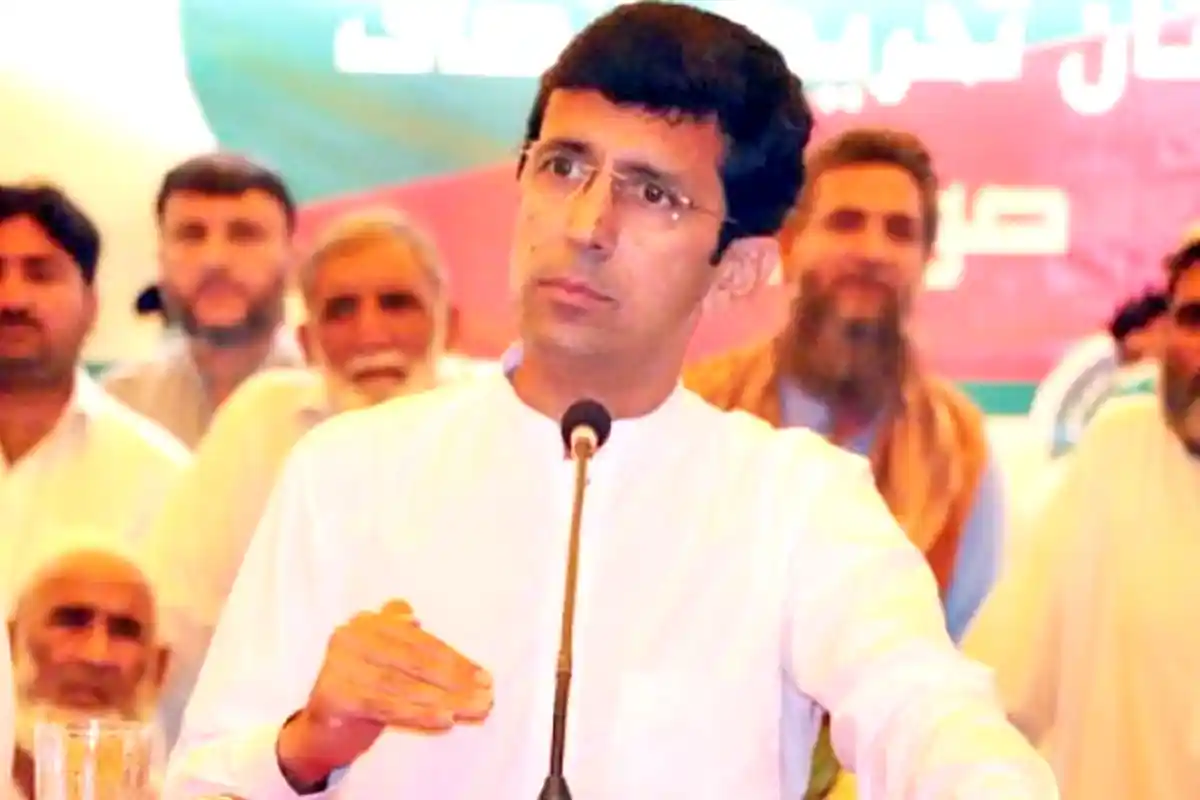
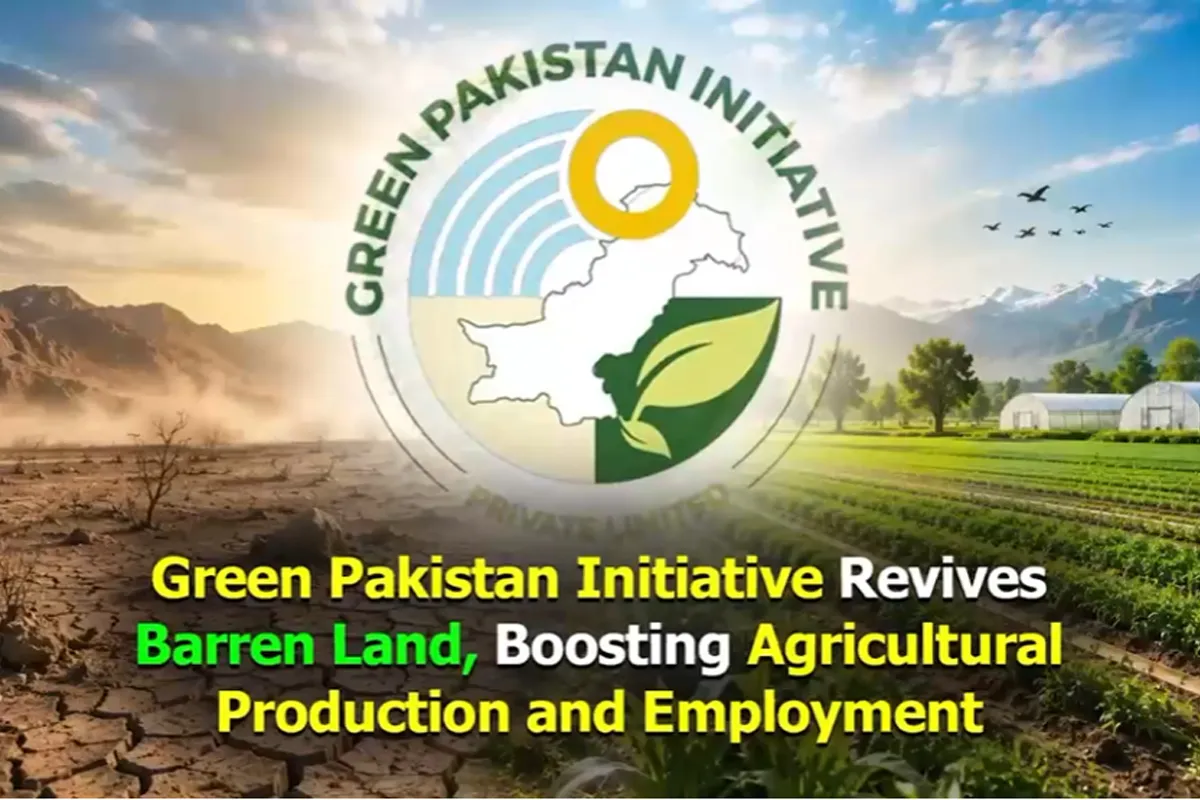
A once-barren stretch of land is now producing wheat, chickpeas, and canola, thanks to support from the Green Pakistan Initiative — a government program helping convert uncultivated terrain into productive farmland. Asim Awan, owner of the “Mehnat Kash Nojawan” farm, says 80% of the fully barren land he received two years ago has now been brought under cultivation.
Awan frames the project’s significance in national economic terms rather than just personal success, arguing that produce from this land will reach Pakistani markets and help convert what are currently imports into future exports. That framing reflects a broader ambition behind GPI: reducing Pakistan’s reliance on imported wheat and other staples by expanding domestic cultivation onto land previously considered unusable.
The employment impact appears substantial at the individual farm level. Awan describes having not 100 employees but 100 families connected to the project, with roughly 700 to 800 laborers gaining work during harvest season — numbers that, if representative of similar GPI-supported farms elsewhere, suggest the initiative’s employment effects extend well beyond the immediate landholders benefiting from reclaimed acreage.
Technical support appears central to the project’s progress. Awan says GPI teams have provided continuous guidance and support since the land was allocated, including satellite-based monitoring of crops, seed varieties, and updates on emerging agricultural techniques from around the world. That kind of sustained technical assistance addresses a gap that has often limited smallholder productivity in Pakistan, where access to modern agronomic data and satellite crop monitoring has traditionally been concentrated among larger commercial operations.
Pakistan’s agriculture sector has faced persistent challenges around water scarcity, degraded soil quality, and underused land, particularly in provinces where large tracts remain uncultivated due to salinity, poor infrastructure, or lack of irrigation access. Government-backed land reclamation efforts have had mixed results historically, often depending heavily on sustained follow-through in technical support rather than just initial land allocation — making the ongoing GPI guidance Awan describes a meaningful factor in his farm’s reported progress.
Awan characterizes the outcome as a broader national success rather than an individual one, expressing confidence that the government’s initiative will eventually leave no land in the country barren. That’s an optimistic long-term framing from a single beneficiary; the initiative’s true scale of impact — how many similar farms have replicated this trajectory, and how consistently GPI support has translated into comparable results elsewhere — would require broader data beyond one farm’s experience to fully assess.
Whether GPI achieves that broader ambition will likely hinge on whether the technical support and land access Awan describes prove replicable at scale across Pakistan’s other underused land, rather than remaining concentrated in a handful of well-supported pilot projects.
Catch all the Pakistan News, Breaking News Event and Trending News Updates on GTV News
Join Our Whatsapp Channel GTV Whatsapp Official Channel to get the Daily News Update & Follow us on Google News.
Must Read


Pakistan
Maryam Nawaz Vows to Empower Women and Provide Students with a Safe Environment
20-October،2026