
The Untold Story of Sacrifices Behind Pakistan’s Creation

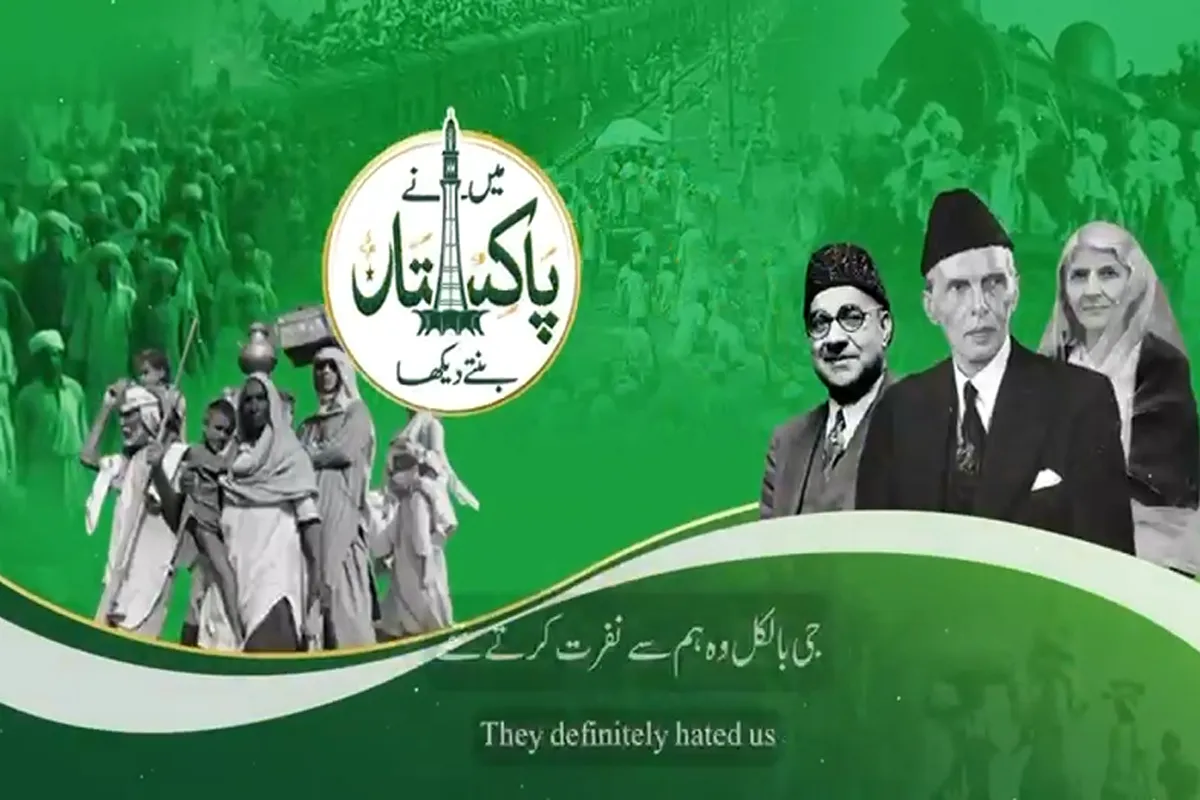
An elderly eyewitness to Pakistan’s creation has shared recollections of the independence movement, describing a period when Muslims in the subcontinent were denied the freedom to live according to their faith, culture, and Islamic identity. The account offers a firsthand perspective on the events and atmosphere surrounding the Pakistan Movement.
According to the eyewitness, Muslims attended Quaid-e-Azam’s rallies with unmatched enthusiasm and passion, reflecting the depth of popular support the movement’s leadership commanded during that period. The witness described Muhammad Ali Jinnah as someone who consistently earned the nation’s trust through principled politics grounded in integrity and truth, and said his unwavering resolve and vision gave Muslims both awareness and confidence during a pivotal moment in the subcontinent’s history.
This kind of firsthand testimony carries particular value as the generation that directly witnessed Pakistan’s founding in 1947 continues to shrink with each passing year, making documented recollections increasingly rare primary sources for understanding the lived experience of that historical moment beyond textbook accounts.
The Pakistan Movement itself unfolded over decades, gaining significant momentum in the 1940s as the All-India Muslim League, under Jinnah’s leadership, pushed for a separate homeland for South Asia’s Muslim population. The movement culminated in Pakistan’s creation on August 14, 1947, accompanied by one of the largest mass migrations in human history, as millions crossed the newly drawn border in both directions amid widespread violence and displacement.
The eyewitness account concludes with a call to the current generation, arguing that the sacrifices made during that era place a responsibility on today’s Pakistanis to actively contribute to the country’s development, stability, and prosperity — framing the anniversary not merely as commemoration but as a prompt for civic responsibility.
Firsthand accounts like this one serve an important documentary function beyond their emotional resonance, offering historians and future generations direct testimony that complements formal historical records with the texture of individual memory and experience — a category of source material that becomes irreplaceable once the last living witnesses to founding-era events are gone.
Catch all the Pakistan News, Breaking News Event and Trending News Updates on GTV News
Join Our Whatsapp Channel GTV Whatsapp Official Channel to get the Daily News Update & Follow us on Google News.
Must Read

Entertainment
Pakistani Star and Content Creator Stand With Parishae Adnan Against Nadia Khan
27-September،2026
World
Iran Says Diplomacy Only Way to Resolve Conflict as Trump Rejects Hormuz Proposal
27-September،2026