CDA Launches Comprehensive Solid Waste Management Plan for Rural Islamabad, 65 Union Councils to Benefit

ISLAMABAD, August 27, 2026: The Capital Development Authority (CDA) has approved a comprehensive and technology-driven solid waste management plan for Islamabad’s rural and semi-urban areas, particularly Zones IV and V, in a major step aimed at extending modern municipal services beyond the capital’s developed sectors.
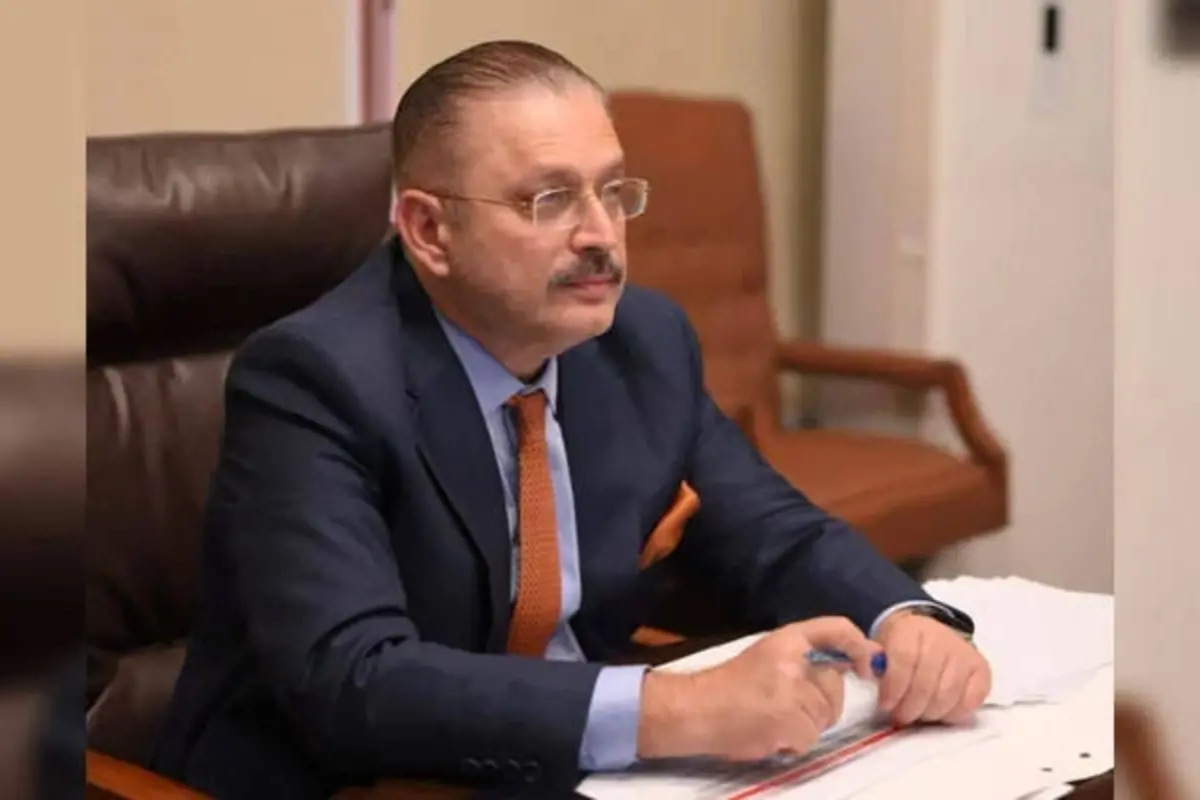
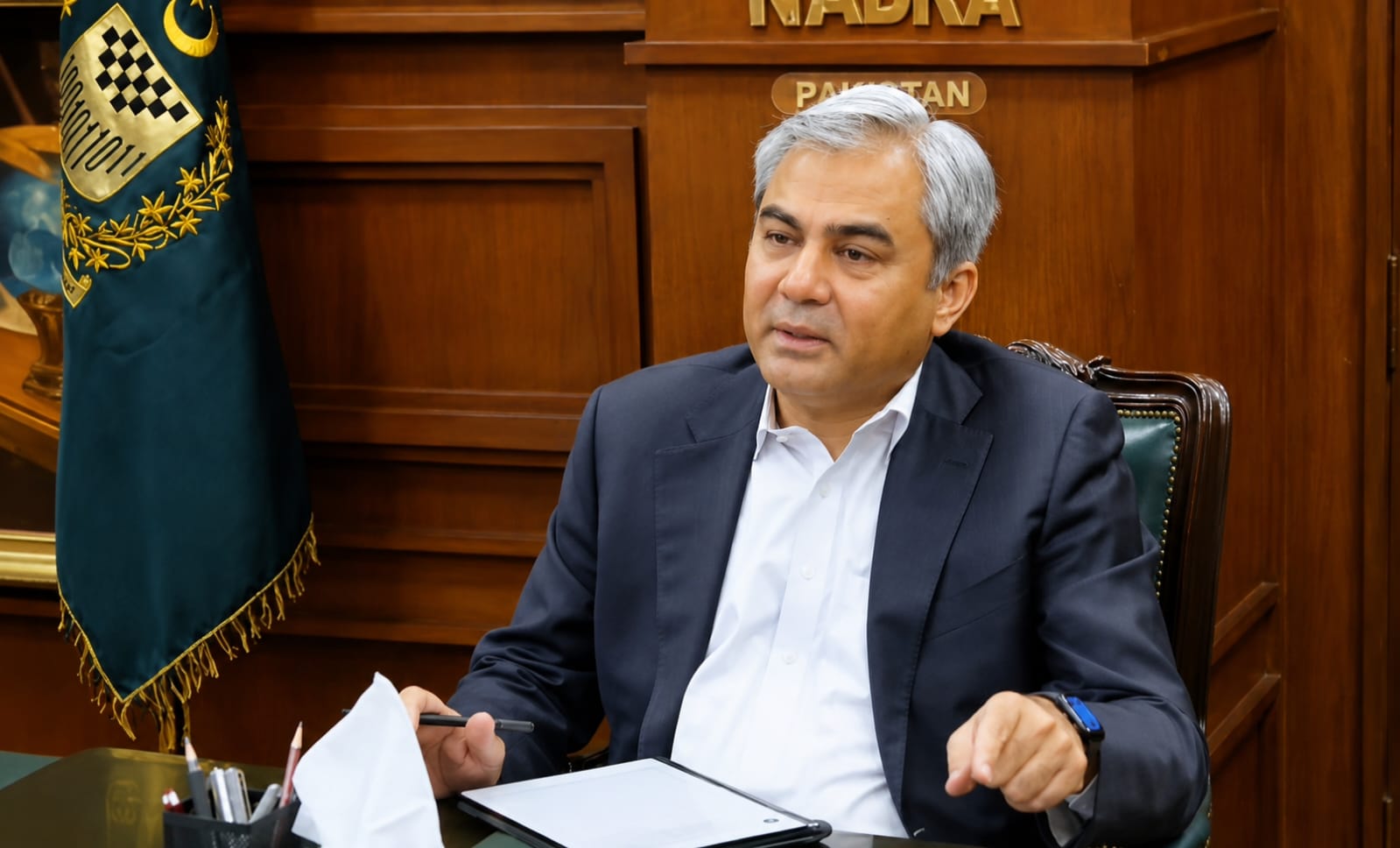
The initiative, being pursued under the leadership of CDA Chairman Sohail Ashraf, seeks to address the longstanding challenges of waste collection, transportation and disposal in rural Islamabad through an integrated and professionally managed system.
According to the CDA, the project will initially cover 65 rural union councils, including Bani Gala, Ghouri Town and adjoining localities, where residents have long faced limited access to organised waste collection and disposal services.
342 tonnes of waste to be managed daily
Under the proposed Integrated Operations & Resource Planning System, approximately 342 tonnes of solid waste will be managed every day across Zones IV and V.
The operational plan envisages the deployment of around 1,610 personnel and 103 machinery units, along with an extensive network of containers and other waste-collection equipment.
The resources will be allocated according to population density, geographical spread, road infrastructure, waste generation and specific operational requirements of individual areas.
Unlike Islamabad’s densely populated urban sectors, rural areas have dispersed settlements, narrow roads and longer collection routes. The new model will therefore utilise appropriate equipment, including mini-tippers, handcarts and other specialised machinery suited to local conditions.
Door-to-door waste collection
A major feature of the programme will be a complete waste management chain beginning with door-to-door collection and extending to transportation, transfer stations, compaction, secondary bulk transportation and environmentally responsible final disposal.
Domestic, commercial and institutional waste will be collected through designated routes and transported to specified facilities.
The CDA says the system is designed to reduce uncontrolled dumping, improve collection efficiency, minimise unnecessary transportation and strengthen environmental protection across rural Islamabad.
Technology-based monitoring system
Technology will form a central component of the new waste management framework.
A Central Command and Control Centre is planned to monitor the overall operation, including movement of vehicles, completion of collection routes and deployment of manpower and machinery.
Waste collection vehicles will operate through GPS-verified routes, while Vehicle Tracking and Monitoring Systems (VTMS) will enable authorities to monitor their movement and performance.
Digital attendance and field-deployment systems will also be introduced to improve accountability among operational staff.
Daily digital reporting at the union council level will help identify missed collections, public complaints, vehicle breakdowns and manpower shortages, allowing authorities to take corrective measures promptly.
Performance to be measured through KPIs
The CDA also plans to introduce measurable Key Performance Indicators (KPIs) to evaluate the quality and efficiency of sanitation services.
Waste collection, street cleaning, mechanical operations, transfer station activities and bulk waste services will be linked to defined performance standards.
Failure to meet prescribed standards could result in deductions under the proposed performance mechanism, making service providers directly accountable for results.
The authority says the objective is to move away from a system based merely on reported activity towards one where sanitation services can be measured, monitored and independently verified.
Cooperation with Turkish waste management company
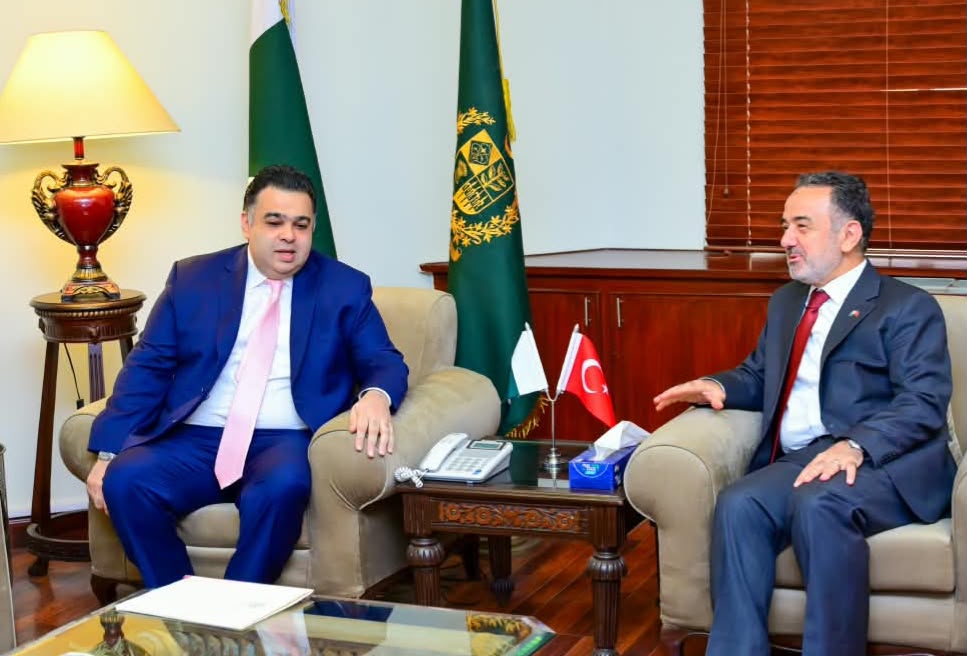
The project has been developed in cooperation with a prominent Turkish waste management company, bringing international operational expertise, modern equipment and technology-based management practices to Islamabad.
The international model will be adapted to local requirements, with particular emphasis on route optimisation, efficient deployment of resources, digital monitoring and transparent performance reporting.
Special focus on sanitation workers
The programme also places emphasis on the safety and professional dignity of sanitation workers.
Under the proposed arrangements, workers will be provided with standardised uniforms and appropriate Personal Protective Equipment (PPE), including safety clothing, gloves, protective footwear and masks.
The CDA believes these measures will improve occupational safety while giving sanitation workers a more organised and professional working environment.
Phased implementation after CDA Board approval
The CDA Board has approved the comprehensive solid waste disposal plan, which will now be implemented in phases, beginning with Zones IV and V.
Collection routes will gradually be established, machinery deployed and individual union councils incorporated into the wider operational network.
The authority expects the programme to result in regular waste collection, cleaner streets and neighbourhoods, reduced open dumping and a healthier living environment for communities in rural and semi-urban Islamabad.
‘Rural Islamabad will no longer be overlooked’
CDA Chairman Sohail Ashraf has emphasised that cleanliness, environmental sustainability and quality municipal services should not remain limited to Islamabad’s developed urban sectors.
According to the CDA, rural communities are equally important parts of the federal capital and deserve the same level of attention and reliable municipal services.
Under the supervision of CDA Member Environment Abdullah Khurram Niazi, the authority is moving towards implementation of the project with the objective of creating a sustainable, professionally managed and environmentally responsible sanitation system.
The CDA says the initiative represents more than a waste collection programme. It is intended to improve public health, environmental protection, quality of life and equitable access to municipal services across the federal capital.
With the phased rollout of the Integrated Operations & Resource Planning System, Zones IV and V are expected to enter a new era of organised sanitation and technology-driven environmental management, as the CDA moves towards its stated goal of ensuring that no community in Islamabad is left behind in the provision of essential municipal services.
Catch all the Pakistan News, Breaking News Event and Trending News Updates on GTV News
Join Our Whatsapp Channel GTV Whatsapp Official Channel to get the Daily News Update & Follow us on Google News.
Must Read