

NASA Prepares Artemis 2 While Reflecting on the Historic Apollo 8 Mission

Web Desk
25 December, 2025 11:57
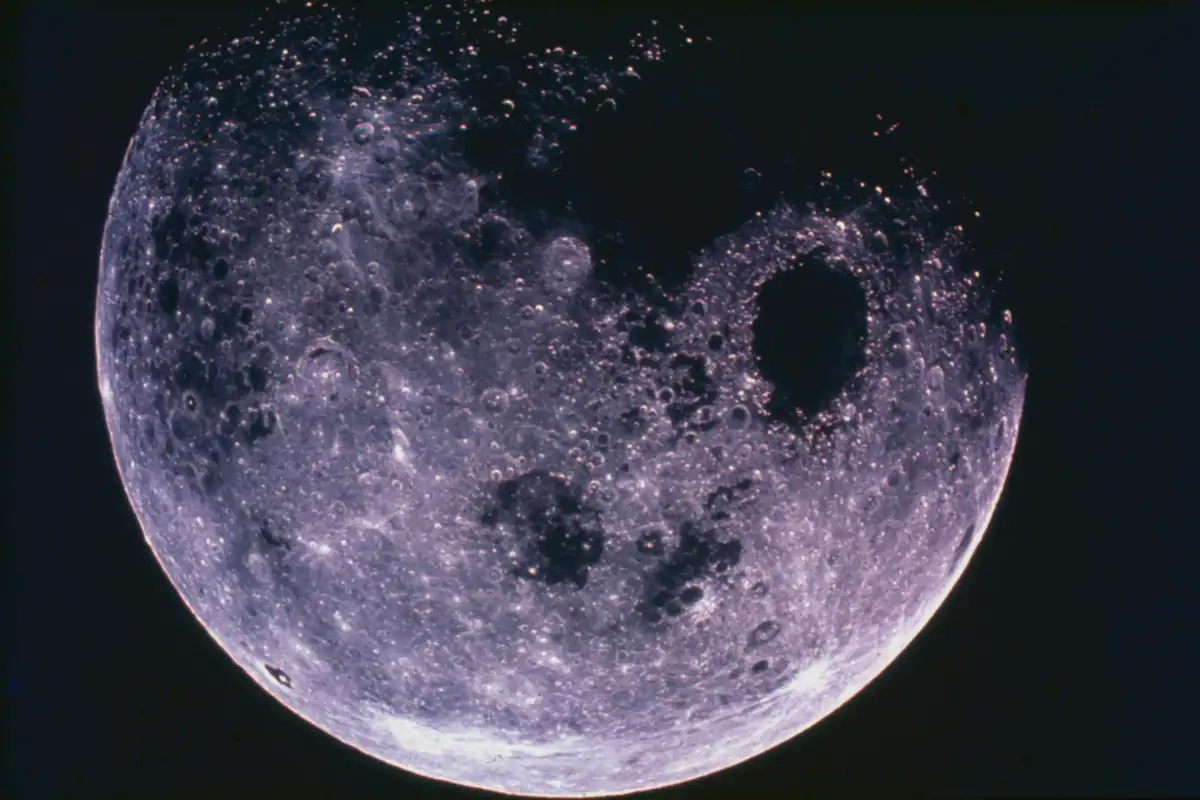
NASA Prepares Artemis 2 While Reflecting on the Historic Apollo 8 Mission
NASA is gearing up for its Artemis 2 mission, planned for 2026, while reflecting on the legacy of Apollo 8, the first crewed mission to orbit the Moon. Space.com reports that the Apollo 8 moonshot “saved 1968,” a year marked by war, unrest, and uncertainty, providing the world with a moment of focus and inspiration.
In December 1968, astronauts Frank Borman, Jim Lovell, and Bill Anders became the first humans to leave Earth’s orbit and travel to the Moon. Despite the lunar module not being ready, NASA decided to launch the mission, a risky choice that ensured the space program continued to move forward. The mission’s key achievements included a full orbit of the Moon, the iconic “Earthrise” photograph, and a live Christmas Eve broadcast watched globally.
Apollo 8 was launched on the first crewed flight of the Saturn V rocket with a clear objective: reach the Moon, enter orbit, and return safely. Two hours post-launch, mission control authorized the spacecraft’s trans-lunar insertion, a maneuver never attempted before. After a three-day journey, the crew fired a single engine to enter lunar orbit, capturing images of Earth rising over the Moon’s horizon and delivering a live broadcast reading from the Book of Genesis on Christmas Eve. Time magazine later named the astronauts Men of the Year, and a message sent to the crew summed up the global response: “You saved 1968.”
Looking ahead, Artemis 2 will mark NASA’s next step in human spaceflight, sending four astronauts—Reid Wiseman, Victor Glover, Christina Koch, and Jeremy Hansen from Canada—around the Moon using the Orion spacecraft and Space Launch System. It will be the first human flight near the Moon since 1972 and will serve as a test of the new systems over an approximately 10-day mission.
Retired NASA historian Glen Swanson notes a shift in focus between the eras: Apollo 8 emphasized “What do I do to leave Earth,” whereas Artemis 2 is centered on “How do I get there,” referencing the lessons learned from Apollo 11. Space historian Dwayne Day adds, “History doesn’t repeat, although it does rhyme,” emphasizing that while Artemis 2 draws parallels to Apollo 8, it will operate in a very different environment.
NASA faces modern challenges, including budget constraints, administrative transitions, and workforce concerns. Some former astronauts have cautioned that these issues could impact safety. In this context, Artemis 2 is not intended to replicate Apollo 8 but to demonstrate whether careful planning and steady progress can continue to guide human space exploration in today’s evolving world.
Catch all the Trending News, Breaking News Event and Trending News Updates on GTV News
Join Our Whatsapp Channel GTV Whatsapp Official Channel to get the Daily News Update & Follow us on Google News.
Must Read