Iran’s Foreign Minister Names the Real Obstacle to Peace and It Is Not Tehran’s Demands

Iran's Foreign Minister Names the Real Obstacle to Peace and It Is Not Tehran's Demands
As Norway enters the diplomatic picture, Araghchi’s blunt assessment of American negotiating behavior reveals why the Islamabad Talks have stalled.
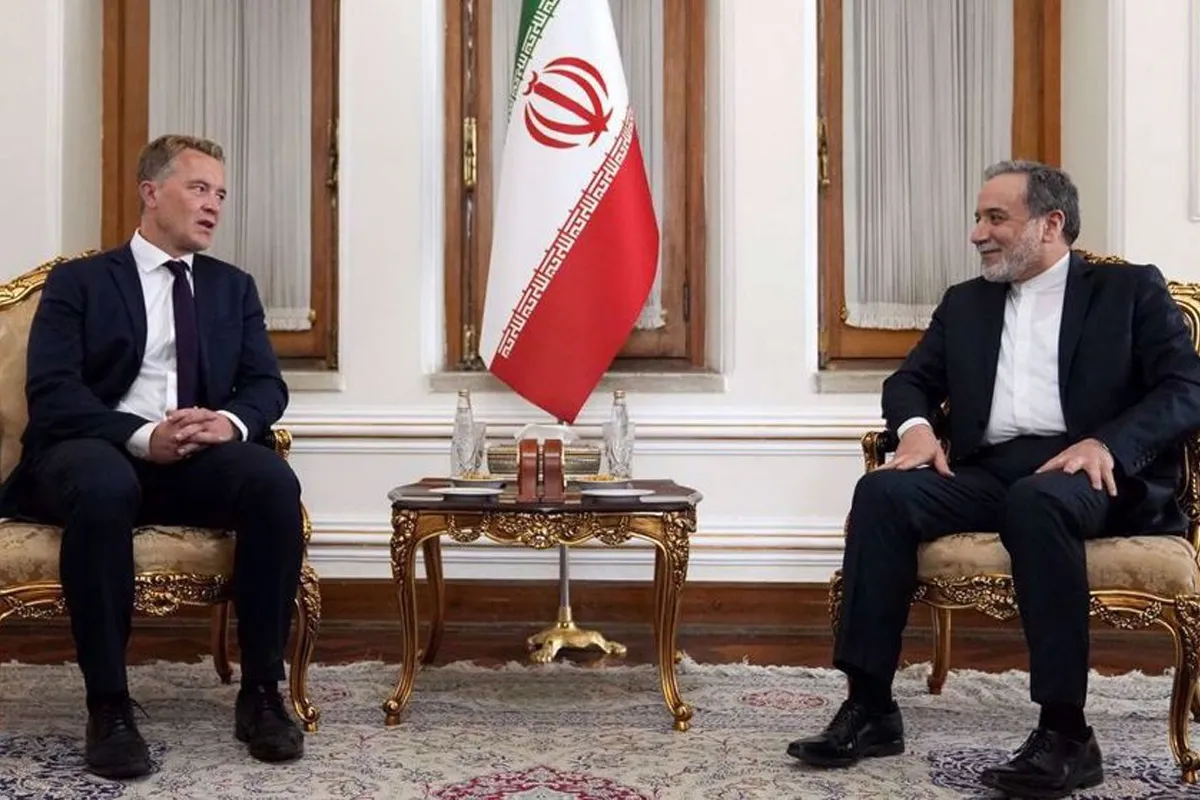
Iranian Foreign Minister Abbas Araghchi did not mince words on Tuesday. Meeting a Norwegian diplomatic delegation in Tehran, he identified three specific American behaviors as the primary obstacles to ending the conflict: a maximalist negotiating posture, threatening and provocative rhetoric, and what he characterized as a fundamental absence of good faith and honesty at the table.
This is not a general complaint about US policy. It is a detailed diplomatic indictment delivered to a neutral European party — and its specificity suggests Iran is building an international record of American bad faith to accompany whatever happens next.
The Blockade Is the Breaking Point
Iran’s preconditions for returning to formal negotiations are now clearly defined. Tehran will not negotiate while the US naval blockade of Iranian ports remains in effect and while hostilities continue on other fronts. These are not new demands — they map directly onto the peace proposal Iran submitted through Pakistani mediators that Trump rejected via social media.
The blockade is the central issue. Trump announced a ceasefire on April 7, then six days later declared the naval blockade would continue. From Tehran’s perspective, this sequence defines the entire negotiating problem: the US claims to want peace while maintaining the primary economic instrument of the war it supposedly ended.
Iran’s response has been proportionate and incremental. After the blockade announcement, Tehran tightened controls on the Strait of Hormuz significantly beyond its initial wartime restrictions. The message is explicit — the blockade produces Strait restrictions, and only lifting the blockade removes them.
The Strait of Hormuz: Regulation, Not Closure
Araghchi’s remarks on the Strait carried a significant legal and diplomatic signal. He described Iran — as a littoral state — as actively formulating regulations for Strait passage consistent with international law, framing the arrangements as aimed at strengthening safe navigation rather than obstructing it.
This framing is carefully constructed. It positions Iran not as a party blocking a global waterway but as a sovereign coastal state exercising legitimate regulatory authority over waters it borders — a legally defensible posture that shifts the burden of justification onto parties contesting Iranian management authority.
Norway’s Entry and What It Signals
Norway’s arrival in Tehran at deputy foreign minister level is diplomatically notable. Oslo has a track record in sensitive mediation — the 1993 Oslo Accords being the most prominent example — and its offer to assist with maritime safety consultations and diplomacy suggests it sees a specific role in the Strait of Hormuz regulatory discussions Araghchi described.
A European neutral with maritime law expertise and diplomatic credibility entering the picture alongside Pakistan’s facilitation role broadens the diplomatic architecture around this conflict in ways that could either create new openings or complicate an already complex negotiating environment.
Disclaimer; Based on publicly available Iranian Foreign Ministry statements and open-source diplomatic reporting.
Catch all the World News, Breaking News Event and Trending News Updates on GTV News
Join Our Whatsapp Channel GTV Whatsapp Official Channel to get the Daily News Update & Follow us on Google News.
Must Read
Pakistan
Bilawal Bhutto Pays Tribute to Karsaz Martyrs, Calls for Unity Against Terrorism
18-October،2026