Bessent and He Meet in Seoul: What the Pre-Summit Talks Really Tell Us About the Trump-Xi Beijing Agenda

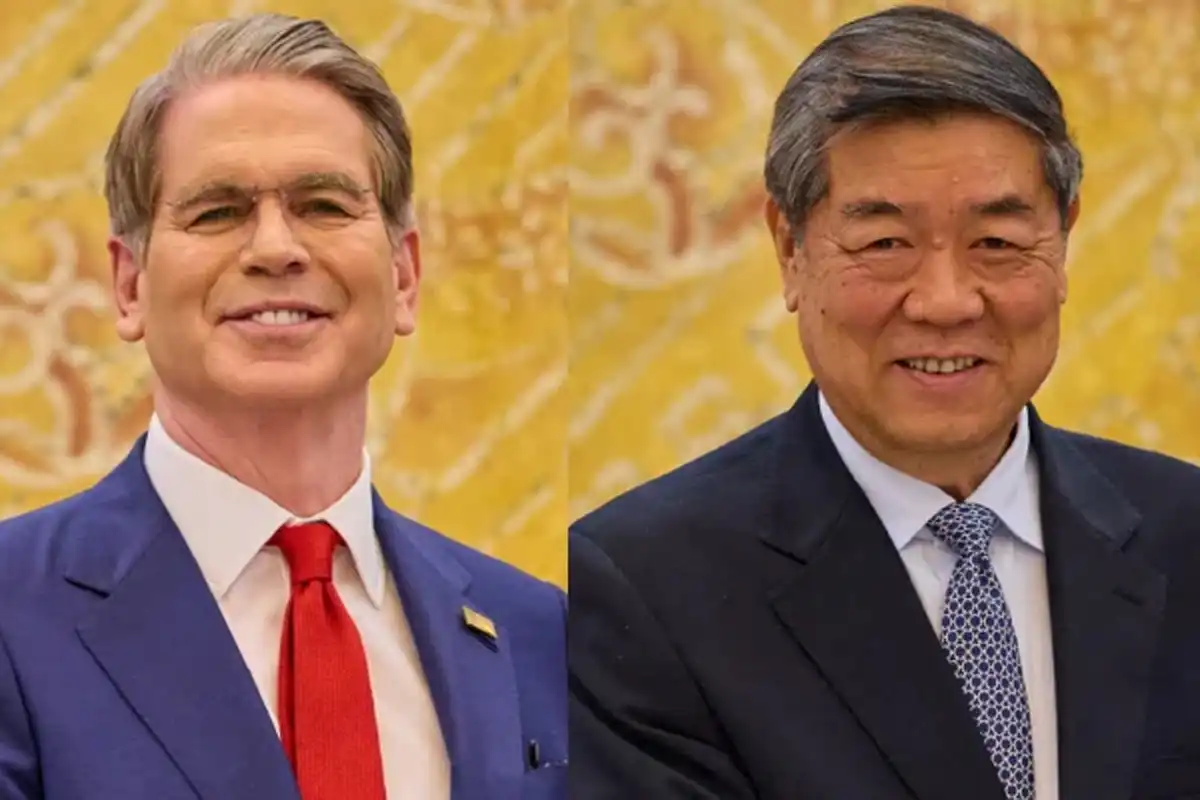
Bessent and He Meet in Seoul: What the Pre-Summit Talks Really Tell Us About the Trump-Xi Beijing Agenda
Before two leaders meet, their deputies sound each other out. What happened at Incheon airport on Wednesday tells you more about Thursday’s summit than any official readout will.
US Treasury Secretary Scott Bessent and Chinese Vice Premier He Lifeng sat down at Incheon airport on Wednesday in the kind of meeting that rarely produces headlines but almost always shapes history. With Trump and Xi scheduled for two days of talks in Beijing beginning Thursday, the Incheon session was designed to do one thing: ensure neither leader walks into a room unprepared for what the other will say.
What Is Actually on the Table in Beijing
The summit agenda has three distinct layers, each carrying different levels of urgency and political sensitivity.
The most transactional layer involves Chinese purchase commitments — Boeing aircraft, American agricultural products, and energy — designed to produce headline numbers that both leaders can present domestically as wins. These deals are largely pre-negotiated by the time summits happen. They exist to create political optics, not to resolve structural disputes.
The more consequential layer involves semiconductor export controls. Beijing wants Washington to ease restrictions on advanced chip exports and has specifically raised concerns about legislation targeting critical chip-making equipment. This is where the summit’s real substance lies — and where, according to analysts familiar with both sides’ positions, the least movement is expected. American restrictions on semiconductor technology transfer to China reflect a bipartisan consensus in Washington that transcends the current administration. Bessent is unlikely to arrive in Beijing with authority to make meaningful concessions here.
The third layer is the Iran war. China maintains significant economic ties with Tehran and purchases substantial volumes of Iranian oil — purchases that continue despite the US naval blockade. Trump said Tuesday he did not believe he needed China’s help to end the Iran conflict, a statement that simultaneously closes off one diplomatic avenue and signals that Iran will not dominate the Beijing agenda. Whether Xi volunteers pressure on Tehran regardless is an open question with significant implications for the Islamabad peace process.
Why Neither Side Feels Pressure to Concede
Kim Tae-hwang, international trade professor at Myongji University, characterized the current dynamic precisely: both sides are in a holding pattern, sounding each other out rather than seeking breakthroughs. China’s relatively resilient growth and trade performance — despite the tariff environment — has reduced Beijing’s urgency to offer early compromises. Washington’s domestic political constraints make technology concessions politically toxic regardless of diplomatic logic.
The rare earths situation illustrates the dynamic clearly. Both sides are reportedly considering extending a truce on China’s export restrictions on rare earth materials — critical for defense manufacturing and advanced technology. But Chinese customs data shows Beijing is still throttling actual shipments despite the nominal truce. The gap between announced arrangements and operational reality is a recurring feature of US-China economic diplomacy.
Disclaimer; Article Based on Reuters reporting and open-source trade and diplomatic analysis.
Catch all the World News, Breaking News Event and Trending News Updates on GTV News
Join Our Whatsapp Channel GTV Whatsapp Official Channel to get the Daily News Update & Follow us on Google News.
Must Read