
Xi Jinping Told Trump Directly: China Will Keep Buying Iranian Oil

Xi Told Trump Directly: China Will Keep Buying Iranian Oil. The Beijing Summit Just Ended America's Sanctions Strategy.
When the leader of the world’s largest oil importer tells you personally that he will continue buying from the country you are blockading, the blockade has a problem.
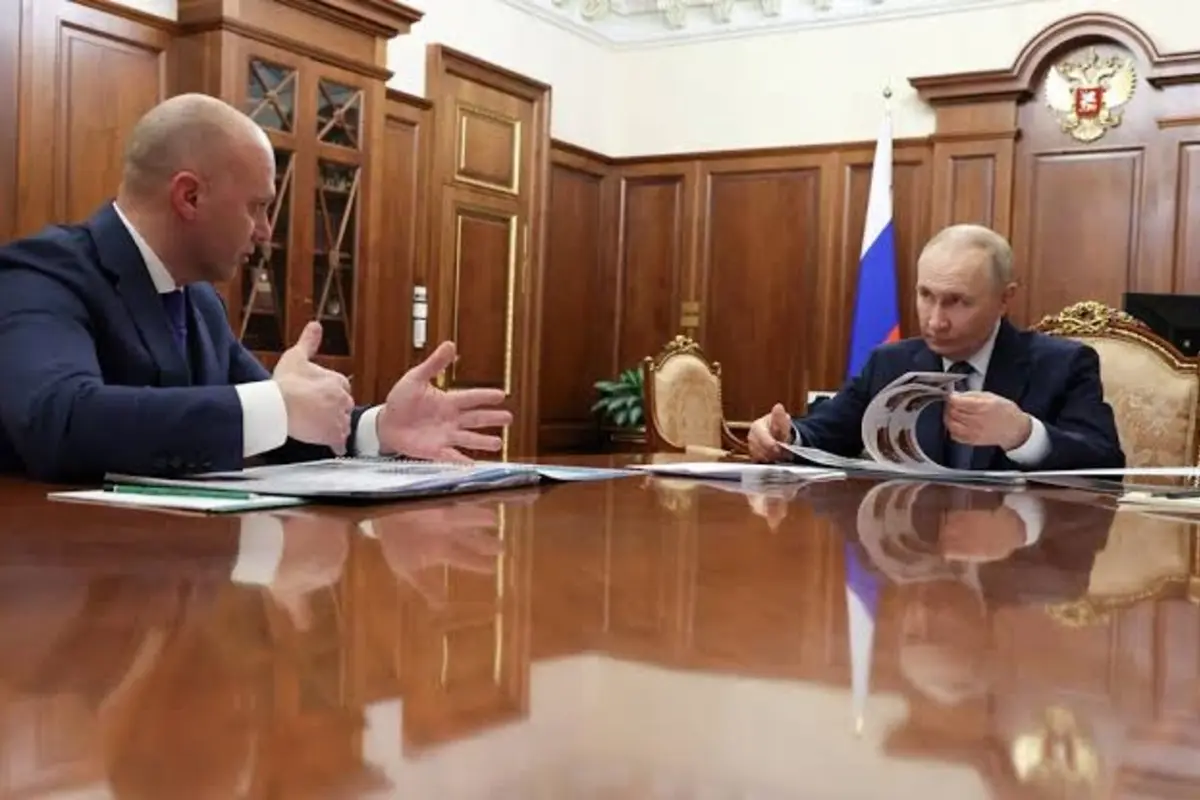
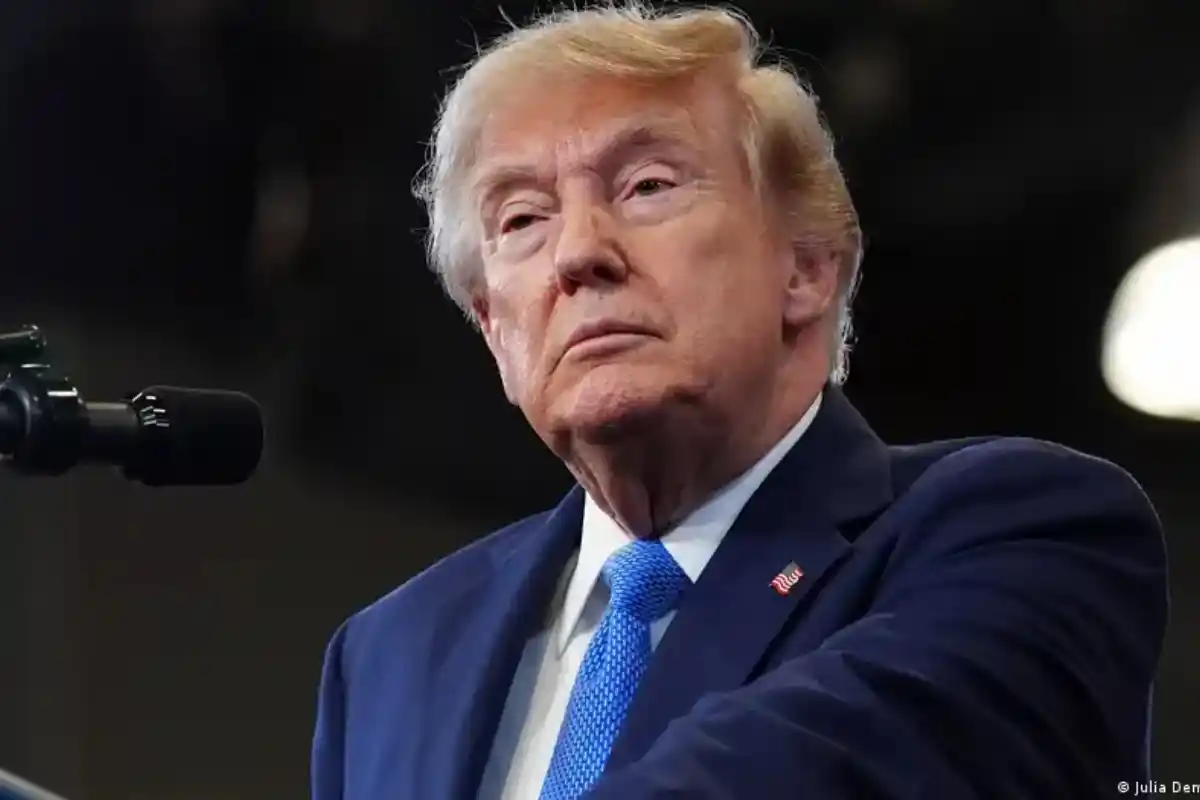
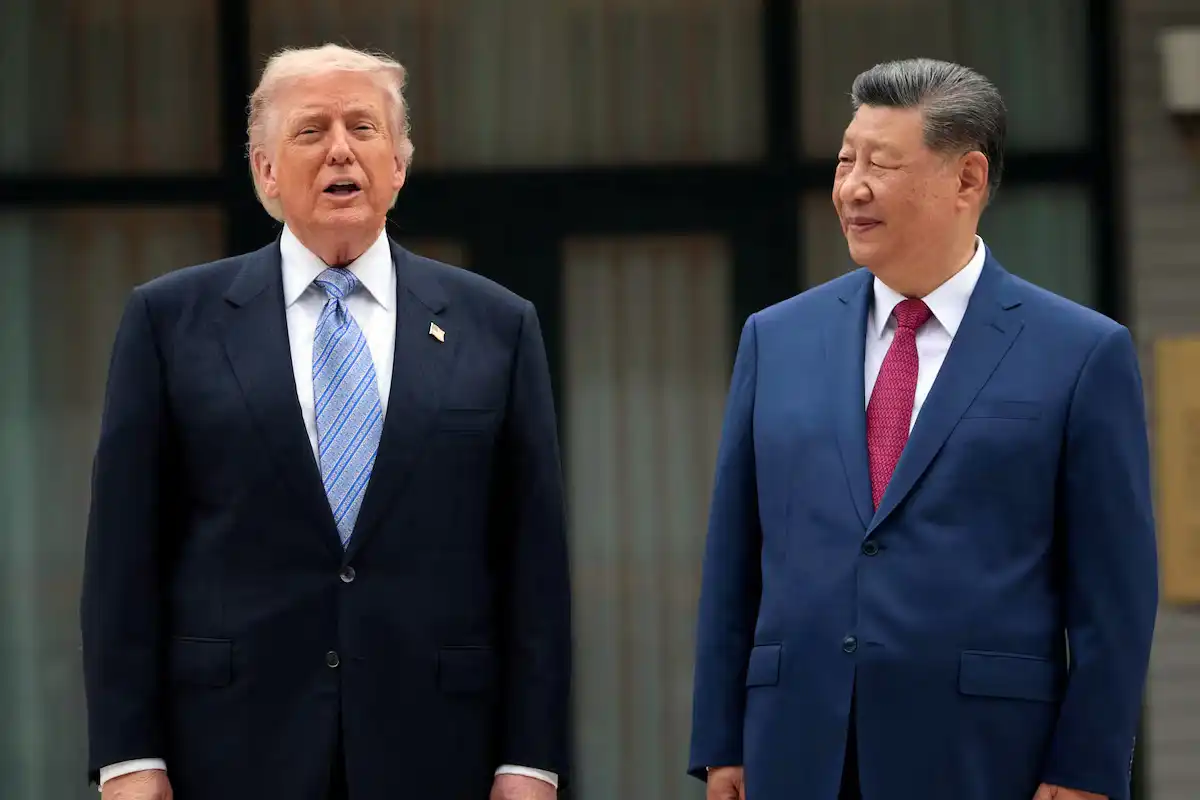
Donald Trump has confirmed what analysts suspected but diplomats rarely state openly: Chinese President Xi Jinping told him directly, during their Beijing summit, that China will continue purchasing Iranian oil at scale and has no intention of changing that policy. Xi also ruled out any military cooperation against Iran.
Trump relayed this exchange to reporters without apparent recognition of its strategic significance. He should have recognized it. Xi just told him that America’s primary economic pressure tool against Tehran does not work.
What the Exchange Actually Means
The US naval blockade of Iranian ports, in place since April 13, was designed to strangle Iranian oil revenues — the financial foundation of Tehran’s ability to sustain its military and resist American demands. The strategy’s logic depends on Iran being unable to sell its oil to significant buyers.
China purchases approximately 90 percent of Iran’s oil exports. It has continued doing so throughout the conflict, throughout the ceasefire, and throughout the blockade — using payment mechanisms and shipping routes that bypass dollar-denominated systems and American-controlled financial infrastructure. Iranian oil reaches Chinese refineries regardless of what Washington designates, sanctions, or blockades.
Xi’s direct statement to Trump that this will continue is not a negotiating position. It is a statement of fact dressed as policy. China is not buying Iranian oil to spite America. It is buying Iranian oil because it is cheap, proximate, and available — and because the economic logic of $110 global oil prices makes discounted Iranian crude even more attractive than it was before the conflict began.
The Sanctions Architecture Has No Enforcement Mechanism Against China
American secondary sanctions — penalties imposed on third-country entities that do business with Iran — have been effective against smaller economies and companies that depend on US market access. They have never been effectively enforced against China’s state-owned energy sector, which does not depend on American market access in the same way and operates under state protection from Washington’s financial pressure tools.
Xi’s confirmation that purchases will continue is effectively a public announcement that secondary sanctions will not change Chinese behavior. For the sanctions regime to function as designed, its primary target — Chinese demand for Iranian oil — must be reduced. Xi has confirmed it will not be.
What This Means for the Islamabad Talks
Iran’s negotiating position in Pakistan-facilitated talks is substantially strengthened by Chinese oil purchases. A Tehran that can sell its primary export commodity at scale, through a partner that explicitly refuses American pressure, faces less economic desperation than the blockade was designed to create.
Trump said Tuesday he did not think he needed China’s help to end the Iran conflict. Xi has now made clear China will not help even if asked — and will actively sustain the economic relationship that limits American leverage.
The Beijing summit produced a trade framework. On Iran, it produced a Chinese no.
Disclaimer; Based on Trump’s publicly reported remarks and open-source energy trade analysis.
Catch all the World News, Breaking News Event and Trending News Updates on GTV News
Join Our Whatsapp Channel GTV Whatsapp Official Channel to get the Daily News Update & Follow us on Google News.
Must Read
Pakistan
Bilawal Bhutto Holds Series of Meetings on Sindh’s Political and Administrative Affairs
1-October،2026