
Pentagon Report: US Depleted Half of Its THAAD Missiles Defending Israel Against Iran

Pentagon Report: US Depleted Half of Its THAAD Missiles Defending Israel Against Iran
A newly released Pentagon assessment has exposed the staggering military cost the United States paid to defend Israel during its confrontation with Iran, revealing that Washington depleted a significant portion of its most advanced interceptor missile stockpiles in the process.
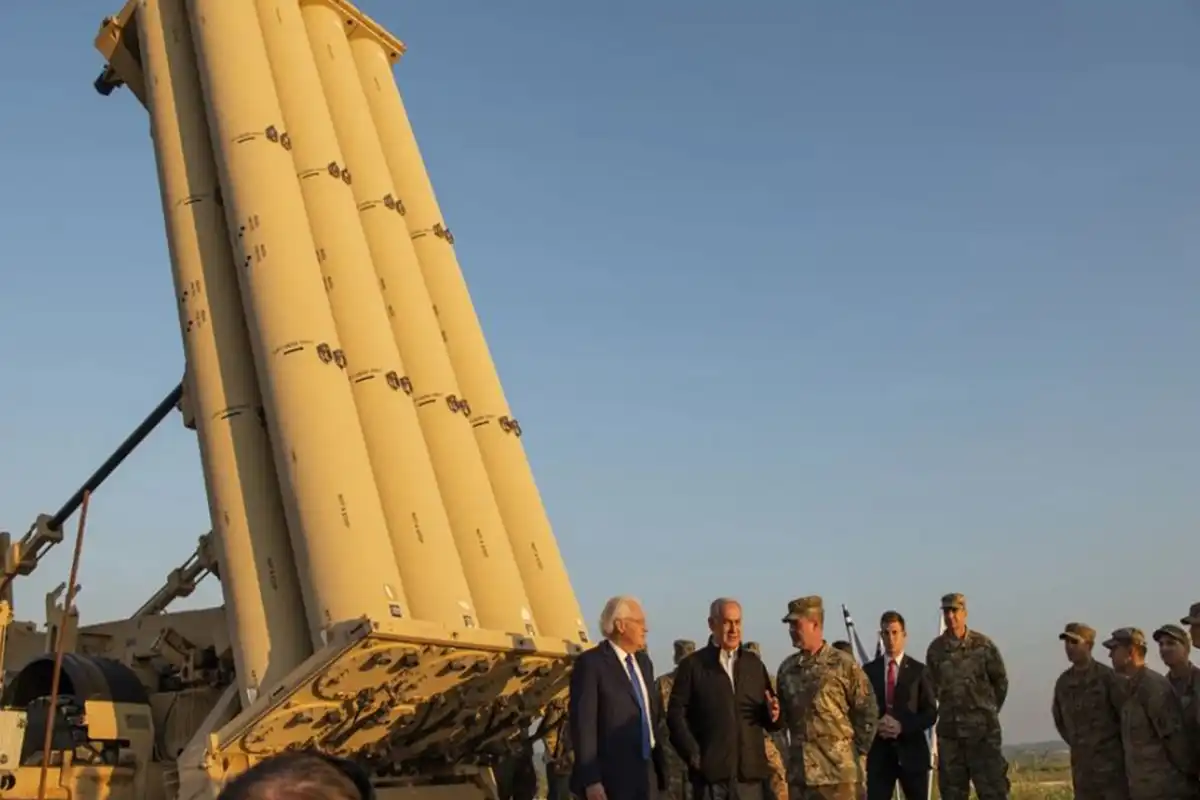
According to documents cited by The Washington Post and confirmed by three senior US officials, American forces fired more than 200 THAAD interceptor missiles during the conflict — approximately half of the Pentagon’s total reserve. In addition, US warships stationed in the eastern Mediterranean launched over 100 Standard Missile-3 and Standard Missile-6 interceptors against incoming threats.
By contrast, Israeli forces deployed fewer than 100 Arrow interceptors and roughly 90 David’s Sling interceptors to counter missiles fired by Tehran, Yemeni armed forces, and Hezbollah. US officials confirmed that Washington effectively shouldered the primary burden of missile defense while Israeli forces deliberately conserved their own high-end defense systems.
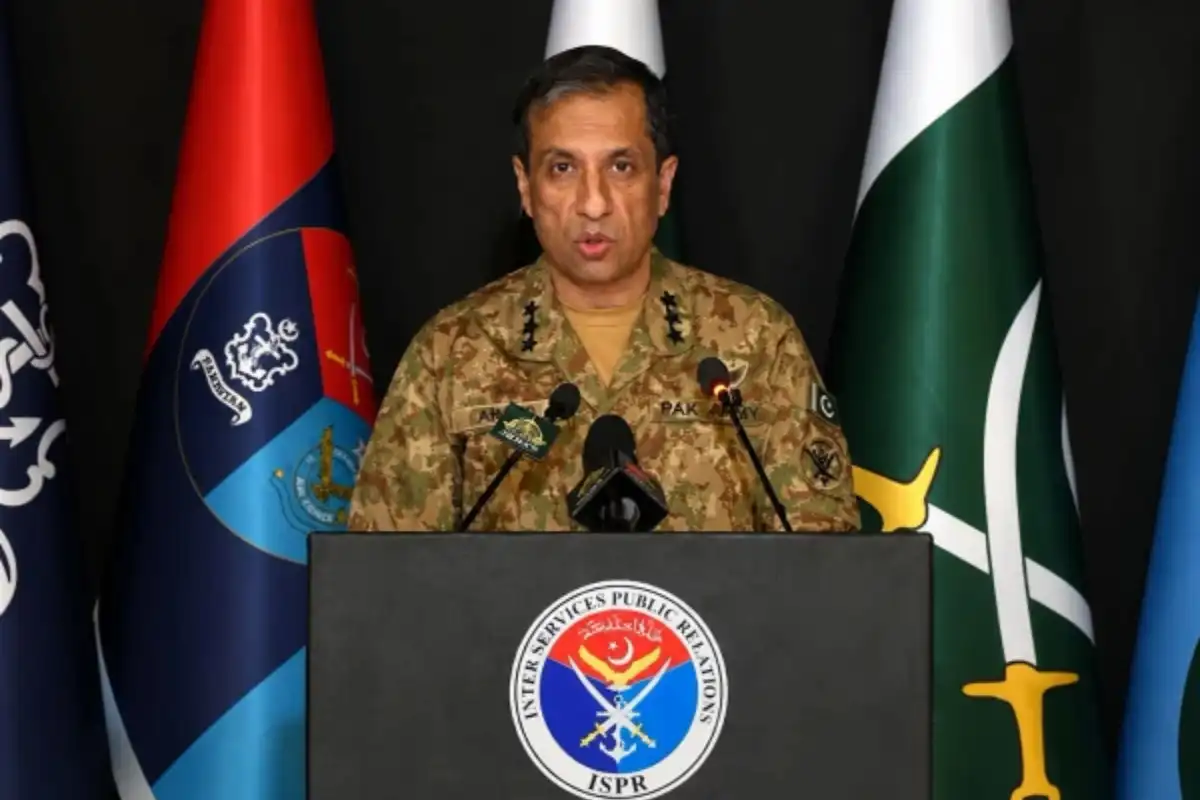
Senior Fellow at the Stimson Center, Kelly Grieco, described the figures as deeply alarming, noting that the US now retains only approximately 200 THAAD interceptors, with production rates far too slow to replenish the depleted stockpile quickly. Military analysts have warned that this massive drawdown could seriously undermine US defense readiness in other critical regions, particularly in Asia, where key allies such as Japan and South Korea depend entirely on American missile defense capabilities.
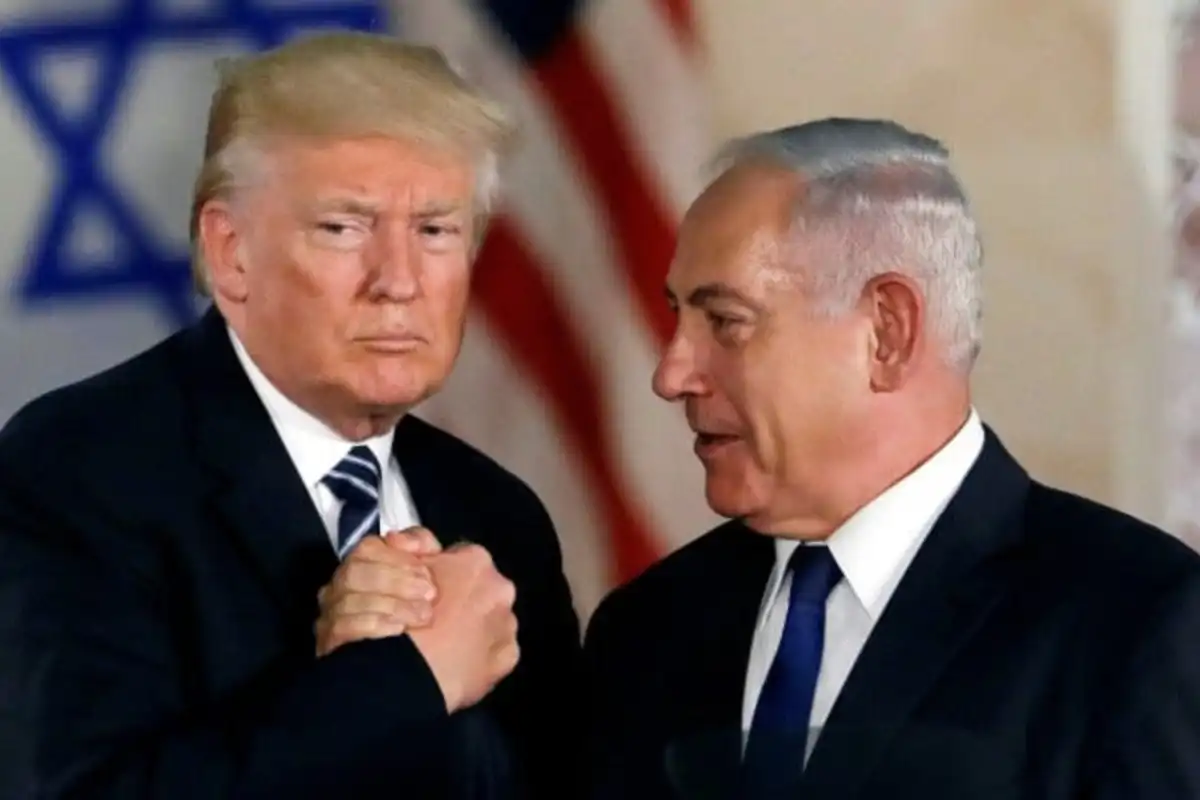
Tensions between Washington and Tel Aviv are reported to be growing, as the confrontation with Tehran has proven far longer and far more costly than US planners had anticipated. According to American and West Asian officials, Israeli Prime Minister Benjamin Netanyahu played a central role in persuading President Donald Trump to escalate military action against Tehran, arguing that the campaign would bring down the Iranian government and permanently eliminate its nuclear capabilities — promises that remain unfulfilled.
Intelligence assessments further indicate that Iran still retains approximately 70 percent of its pre-war missile stockpile despite sustained strikes, while Tehran’s closure of the Strait of Hormuz has driven up global energy costs and contributed to rising inflation worldwide. US officials have also acknowledged that much of Iran’s highly enriched uranium remains intact at facilities that Washington and Tel Aviv claimed to have destroyed.
One American official stated plainly that Israeli forces alone lack the capability to fight and win this war, and that Washington has been quietly carrying the full logistical and military burden behind the scenes. The US has since repositioned additional naval assets near the occupied territories in preparation for any potential new escalation, while officials caution that any future conflict could severely degrade both American and Israeli military capabilities.
Catch all the World News, Breaking News Event and Trending News Updates on GTV News
Join Our Whatsapp Channel GTV Whatsapp Official Channel to get the Daily News Update & Follow us on Google News.
Must Read