
Iran Draws Its Red Lines; The Next War Will Look Nothing Like the Last One

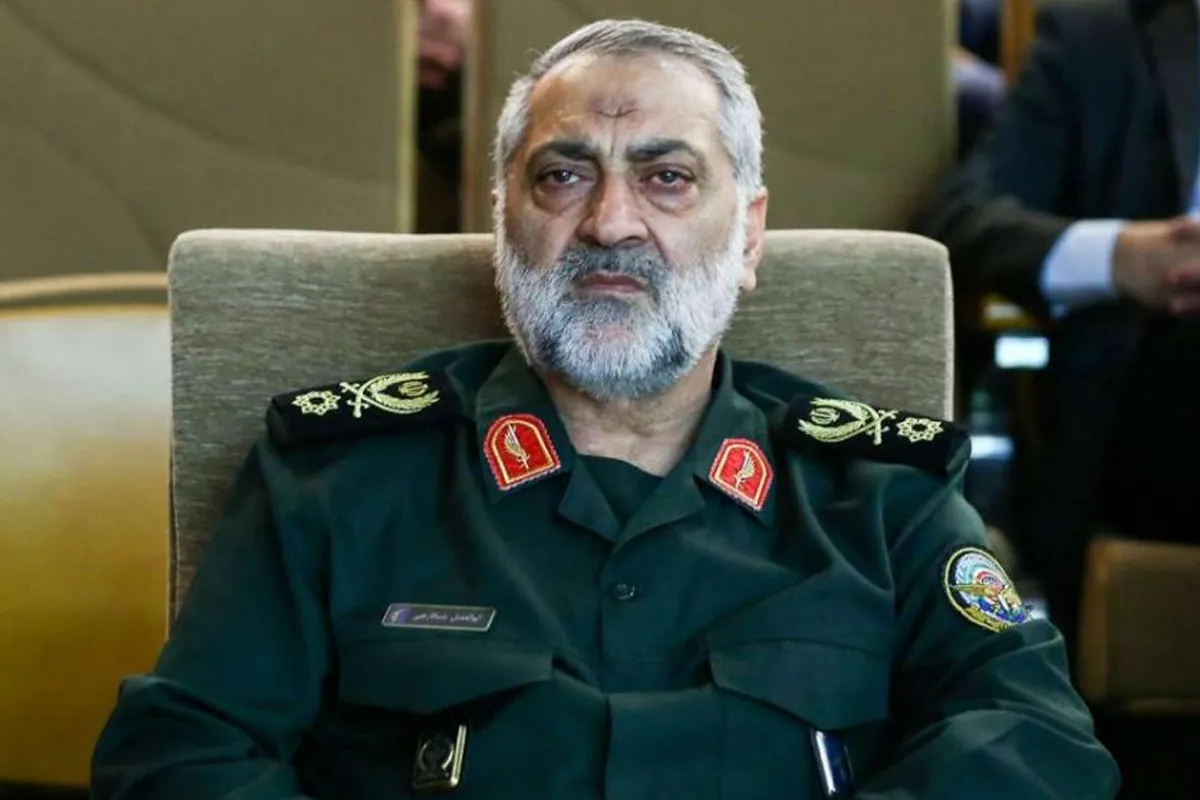
Tehran has delivered its clearest and most expansive military warning yet. If Washington or Tel Aviv strike again, Iran’s response will not be a mirror of previous confrontations. It will be broader, heavier, and will extend beyond the boundaries of the immediate region.
The message from Iranian Armed Forces spokesperson Abolfazl Shekarchi was precise in a way that military communiqués rarely are — and that precision is itself a signal worth reading carefully.
What Iran Actually Said
Shekarchi did not issue a vague diplomatic protest. He outlined a doctrine.
Iran has identified its targets. It is ready for war. Any new aggression will trigger a response different in character from previous rounds — one that goes beyond regional borders and will be, in his words, significantly more intense, devastating, and forceful than anything seen before.
He then added the statement that will concentrate minds in every oil-importing capital on earth: if Iran’s exports are blocked, Tehran will move to prevent the export of oil from the entire region.
That final clause transforms the warning from a bilateral military threat into a global economic one.
The Strait of Hormuz Card — Played Openly
Iran’s ability and willingness to disrupt Strait of Hormuz traffic has long been discussed in strategic circles as a theoretical deterrent. Shekarchi has now stated it as active policy — not a last resort buried in classified planning documents, but a publicly declared response trigger.
Approximately 20 percent of globally traded oil and nearly 30 percent of liquefied natural gas passes through the Strait of Hormuz daily. The economies most exposed to a closure are not American. They are Japanese, South Korean, Indian, and Chinese — major importers whose energy security depends entirely on that 33-kilometer-wide passage remaining open.
This is Iran telling the world: the consequences of attacking us are not contained. They are distributed globally. Every nation with an interest in stable energy markets has a stake in preventing the next escalation.
Beyond Regional Borders — What That Means
The phrase “beyond regional borders” is deliberate and significant. Previous Iranian military responses, including missile and drone strikes on Israeli territory and retaliatory actions following US operations, were geographically bounded within the Middle East theater.
A response that extends beyond regional borders could encompass several dimensions: strikes on US military assets in the Gulf, Red Sea, or beyond; intensified support for proxy networks across multiple continents; cyber operations targeting critical infrastructure in Western nations; or coordinated action with allied actors in locations far removed from the Persian Gulf.
Tehran is signaling that it has options it has not yet chosen to exercise — and that the next conflict will activate them.
The Readiness Declaration
Shekarchi’s confirmation that Iran has identified specific targets and remains ready for war is not bluster for domestic consumption. Military spokespeople at this level communicate with multiple audiences simultaneously — their own public, regional allies, adversaries, and the international diplomatic community.
The targeting confirmation tells Washington and Tel Aviv that Iran’s strike planning is not contingent or aspirational. It is prepared, specific, and waiting for a trigger that Iran hopes will never come but is positioned to respond to immediately if it does.
Why This Warning Lands Differently Now
Previous Iranian warnings existed in a context where Tehran was absorbing pressure without having demonstrated its full retaliatory capacity. That context has changed. The 12-day air war with Israel demonstrated that Iran could absorb significant strikes while maintaining governmental function, military command structures, and civilian stability in key cities.
Iran’s negotiating position, its demonstrated resilience, and now its expanded deterrence doctrine all point to a Tehran that has recalibrated its strategic posture from reactive to pre-declaratory. It is no longer waiting to be struck before communicating consequences. It is communicating them in advance, clearly, through official military channels.
The Window That Remains Open
Alongside the warning, Iran’s consistent engagement with diplomatic frameworks — the Oman talks, the Islamabad ceasefire process, continued communication through intermediaries — signals that Tehran is not seeking the next war. It is trying to prevent it through credible deterrence rather than accommodation.
The warning is not an invitation to conflict. It is an attempt to raise the cost of initiating one high enough that rational actors in Washington and Tel Aviv choose negotiation over escalation.
Whether that calculation succeeds depends entirely on whether the decision-makers being warned are, in fact, operating rationally.
Catch all the World News, Breaking News Event and Trending News Updates on GTV News
Join Our Whatsapp Channel GTV Whatsapp Official Channel to get the Daily News Update & Follow us on Google News.
Must Read

Pakistan
Pakistan, Benin Sign MoU to Institutionalise Bilateral Political Consultations
25-September،2026
Pakistan
Security Forces Kill 33 Indian-Sponsored Terrorists in Balochistan Operations
25-September،2026