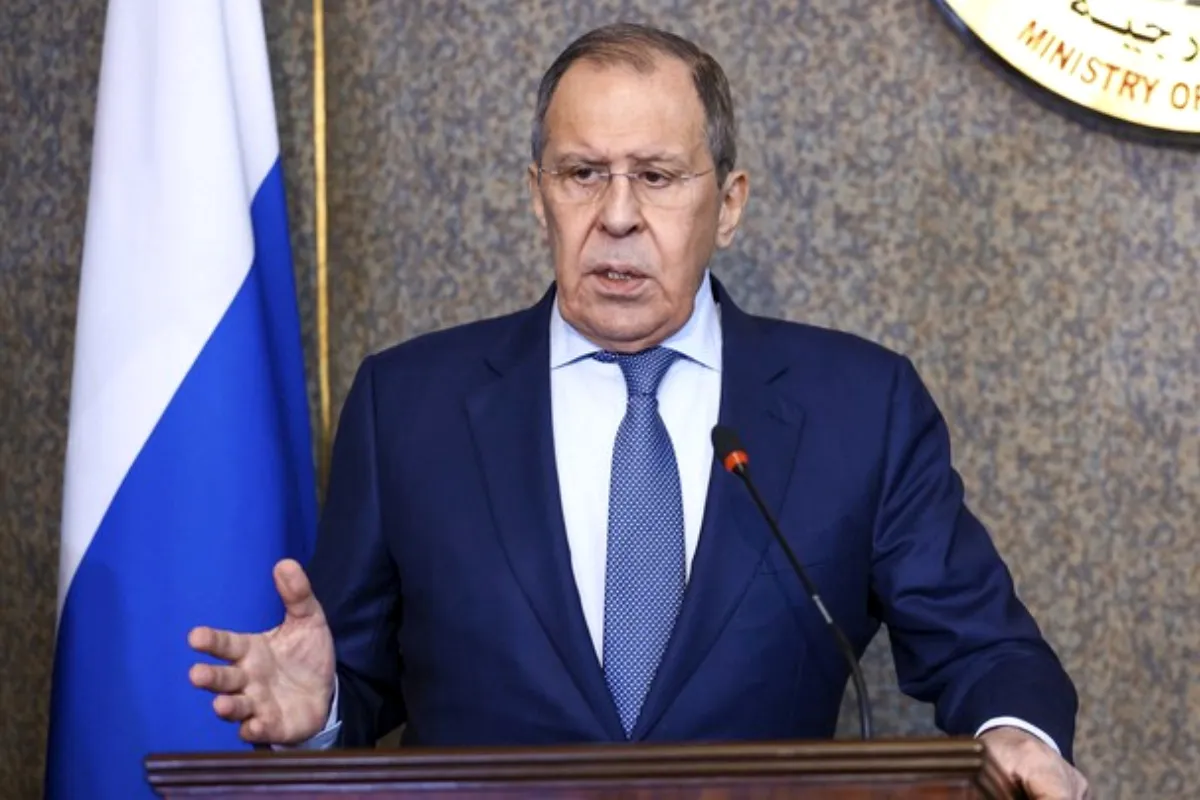
China hopes US, Iran reach compromise

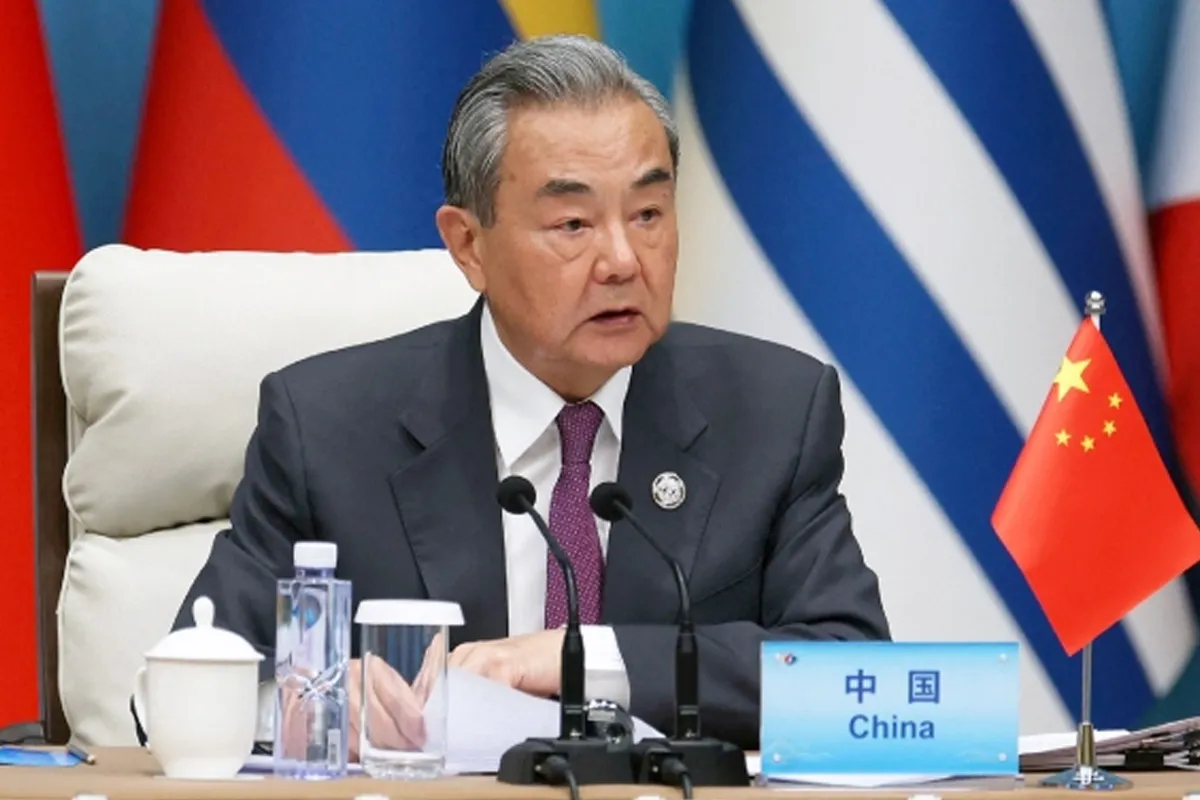
At a moment when the Middle East ceasefire appeared close to collapse, China’s top diplomat walked into the UN Security Council chamber and delivered a message neither Washington nor Tehran could ignore.
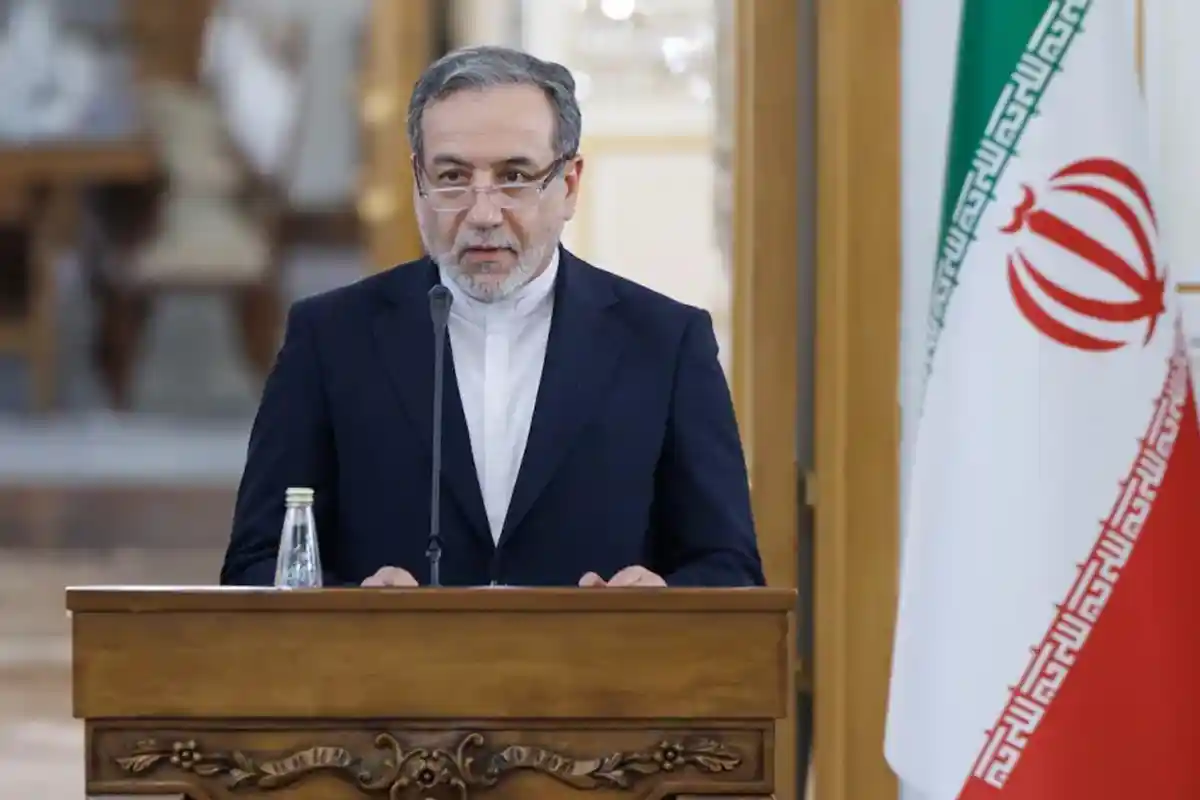
Foreign Minister Wang Yi, addressing an open debate session of the Security Council, called explicitly on both the United States and Iran to make concessions — framing Beijing’s position not as sympathy for one side but as urgent demand for mutual restraint before a fragile diplomatic achievement disintegrates entirely.
The timing was not coincidental. Iran had just accused the United States of breaching the ceasefire following American strikes on missile sites and boats allegedly attempting to lay mines in southern Iran. The architecture of the truce — painstakingly built through Qatari mediation, Pakistani diplomacy, and Chinese endorsement — was under its most serious stress test since its announcement.
What Wang Yi Actually Said
China’s message at the Security Council was precise and balanced in its public framing — but the weight of Beijing’s diplomatic influence sits unmistakably behind it. Wang Yi called on all parties to respect the ceasefire, and expressed direct hope that Washington and Tehran would each demonstrate willingness to compromise.
For China to use the word “each” in this context is deliberate. It declines to assign blame exclusively to either party — a position that preserves Beijing’s credibility as a mediator with both capitals while applying equal pressure on both to step back from the escalation edge.
China has significant and specific interests in this ceasefire surviving. Approximately 40 to 50 percent of its crude oil imports transit through or originate in the Gulf region. Every day the US-Iran confrontation threatens renewed full-scale conflict is a day Chinese energy security depends on decisions made in capitals where Beijing has limited direct leverage.
Wang Yi was not speaking as a neutral observer. He was speaking as the representative of the world’s largest energy importer, watching a conflict that could close the Strait of Hormuz and trigger an economic crisis Beijing cannot afford.
The Ceasefire Under Pressure
The immediate trigger for Wang Yi’s intervention was serious. US forces had struck missile sites in southern Iran and targeted boats the American military claimed were attempting to lay mines near the Strait of Hormuz. CENTCOM framed the action as self-defense. Iran called it a ceasefire violation and warned of retaliation.
Both characterizations cannot simultaneously be true — and the Security Council debate was essentially a public argument about which version of events the international community would accept.
China’s refusal to endorse the American self-defense framing, while also stopping short of fully adopting Tehran’s violation narrative, reflects the careful diplomatic positioning Beijing has maintained throughout this conflict. It preserves influence with both parties. It also preserves the possibility of continued Chinese mediation if the situation deteriorates further.
The Security Council’s Structural Problem
Wang Yi’s appearance at the open debate session highlights a fundamental limitation of the UN Security Council as a conflict resolution mechanism in this crisis. The United States holds a permanent veto. Any resolution that directly criticizes American military action in Iran — however the legal merits stack up — will not pass. Any binding ceasefire enforcement mechanism that constrains American operational freedom will be blocked before it reaches a vote.
This is precisely why China has invested in the parallel diplomatic architecture — the Islamabad Talks, the Qatari mediation channel, the bilateral frameworks — that operates outside the Security Council’s veto-constrained environment. Wang Yi’s speech serves the UN forum, but Beijing’s real diplomatic work happens in the channels where American veto power does not apply.
Iran’s Position Strengthened by Chinese Support
For Tehran, China’s call for mutual concessions — delivered from the Security Council floor by a permanent member — represents meaningful diplomatic support without being a blank endorsement of Iranian actions. Wang Yi did not defend Iranian mine-laying operations. He called for compromise.
But the framing itself serves Iranian interests by refusing to accept the American narrative that its strikes were purely defensive and ceasefire-compliant. The implicit message from Beijing to Washington is clear: the international community does not accept unilateral American military action in Iran as consistent with ceasefire obligations, regardless of the justification offered.
What Compromise Actually Requires
The word “compromise” sounds simple. In this context it requires genuinely difficult concessions from both sides.
For Iran, compromise means accepting limitations on military activities near the Strait of Hormuz — including the mine-laying operations the US cited — that Tehran views as legitimate defensive measures within its sovereign waters. For the United States, compromise means accepting Iranian military postures in its own territory that Washington considers threatening, without responding with unilateral strikes that undermine the ceasefire framework.
Neither concession is politically easy. Both are necessary if the ceasefire is to survive as anything more than a temporary pause between escalation cycles.
Wang Yi said the quiet part out loud at the Security Council. Whether the parties most capable of destroying the ceasefire were listening is the question that the coming days will answer.
Catch all the World News, Breaking News Event and Trending News Updates on GTV News
Join Our Whatsapp Channel GTV Whatsapp Official Channel to get the Daily News Update & Follow us on Google News.
Must Read
Pakistan
DG ISPR Says Protection of Saudi Arabia and Holy Sites Is Pakistan’s Top Priority
19-October،2026

Entertainment
Sajal Aly and Zara Noor Abbas Follow Each Other Again, Yasir Hussain Reacts
19-October،2026