Wed, 3 Jun 2026
Wed 1447/12/17AH (03-06-2026AD)

Latest News

IRGC targets enemy vessel, US 5th Fleet HQ, American airbase after violations near Strait of Hormuz

03 June, 2026 09:55

Tensions in the Middle East have intensified after Iran’s Islamic Revolution Guards Corps (IRGC) announced missile and drone operations targeting what it described as US military-linked positions in the region. The development has increased concerns over the security of the Strait of Hormuz, one of the world’s most important energy routes.

The IRGC said the action was a response to attacks on Iranian interests, while the broader situation reflects a growing cycle of military confrontation involving Iran, the United States and Israel.

Latest Developments and Military Response

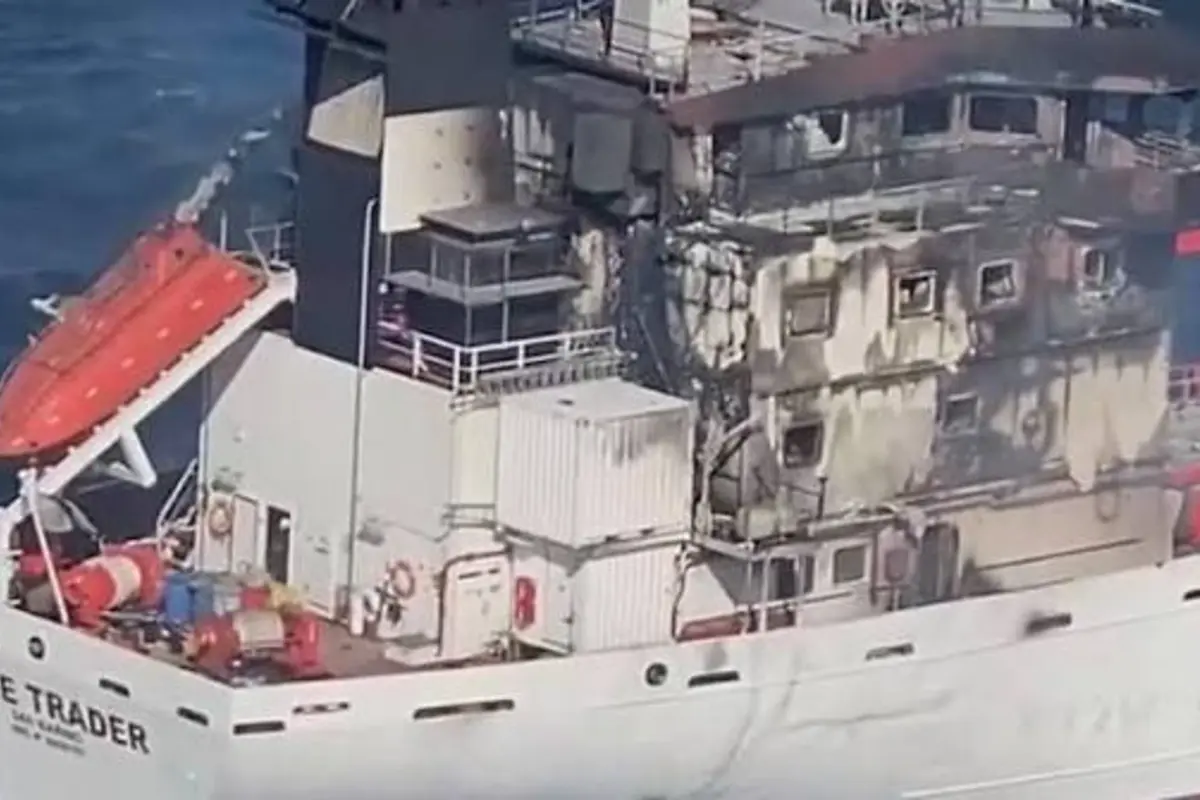
According to the IRGC, the confrontation began after an Iranian oil tanker near the Strait of Hormuz was allegedly struck by a US aerial projectile. The group claimed the attack damaged the vessel’s engine area and described it as a violation of maritime regulations.

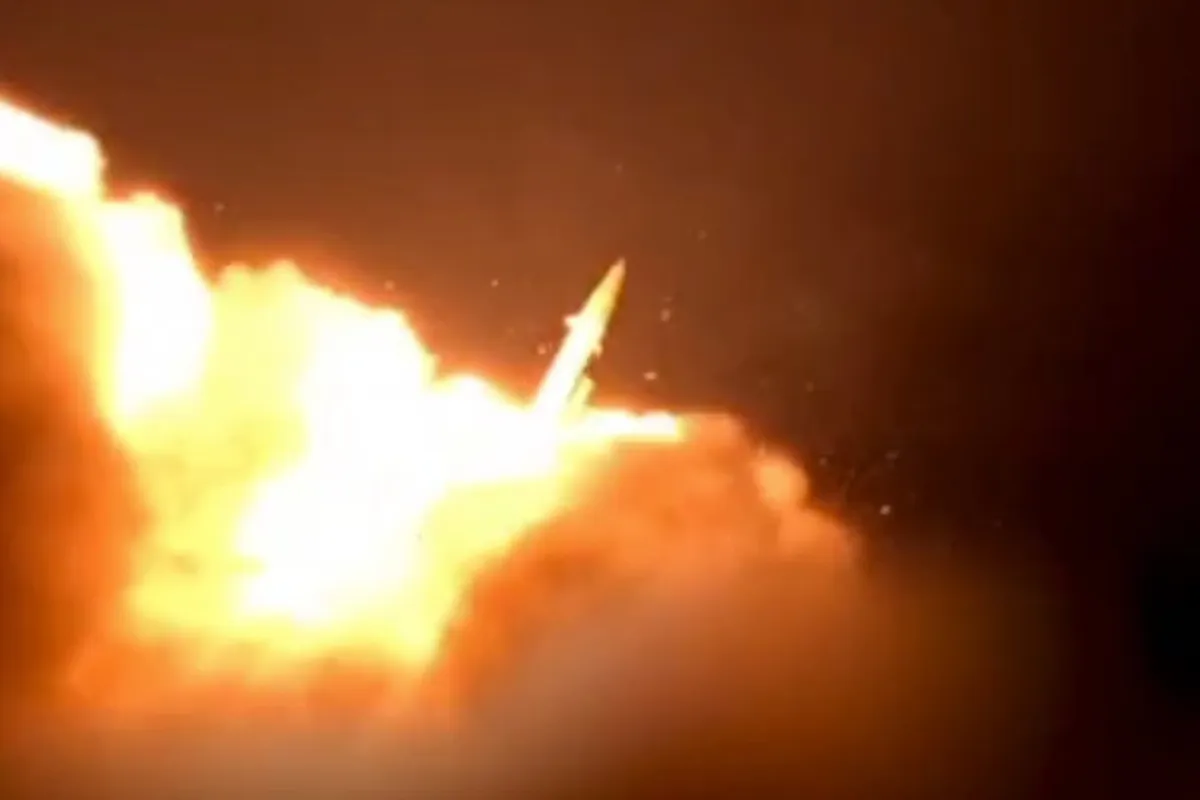
In response, the IRGC Navy said it targeted a vessel identified as a hostile ship using missiles. The force later announced additional operations after claiming another strike hit an IRGC communications facility on Qeshm Island.

The IRGC stated that its aerospace forces carried out missile and drone attacks against a regional air facility used by US forces and the headquarters of the US Fifth Fleet in Bahrain. The claims have added another layer of uncertainty to an already fragile security environment.

Strategic Importance of Strait of Hormuz

The Strait of Hormuz remains one of the most sensitive maritime chokepoints in the world. A significant portion of global oil and gas shipments passes through this narrow waterway, making any military escalation there a concern for energy markets and international trade.

Previous conflicts and tensions in the region have shown that even limited incidents near the strait can affect shipping costs, insurance rates and global fuel prices.

Background of Iran-US Confrontations

Iran and the United States have faced decades of political and military disputes, including disagreements over regional influence, sanctions and nuclear policies.

Recent years have seen repeated confrontations involving naval encounters, drone incidents and attacks on allied positions. The current escalation follows a familiar pattern where military actions are often followed by retaliation and diplomatic pressure.

Expert View: Risks Beyond the Battlefield

Security analysts say the biggest concern is not only direct military strikes but the possibility of miscalculation. A single incident involving commercial shipping or foreign forces could trigger a wider confrontation.

Energy experts also warn that prolonged instability around the Gulf could create uncertainty in oil markets, affecting economies already dealing with inflation and supply challenges.

Future Outlook

The coming days may determine whether the situation moves toward negotiations or further escalation. Regional governments are expected to increase diplomatic efforts to prevent disruption of trade routes and avoid a larger conflict.

While both sides continue issuing strong statements, the security of the Gulf region remains a key global concern. The Strait of Hormuz will likely remain at the centre of international attention as tensions develop.

Catch all the World News, Breaking News Event and Trending News Updates on GTV News


Join Our Whatsapp Channel GTV Whatsapp Official Channel to get the Daily News Update & Follow us on Google News.

Scroll to Top