
Bangladesh Adviser Abandons India Trip After New Delhi Airport Humiliation — Dhaka Summons Indian Envoy

A two-hour detention at an international airport has ignited one of the sharpest diplomatic confrontations between Bangladesh and India in recent memory.
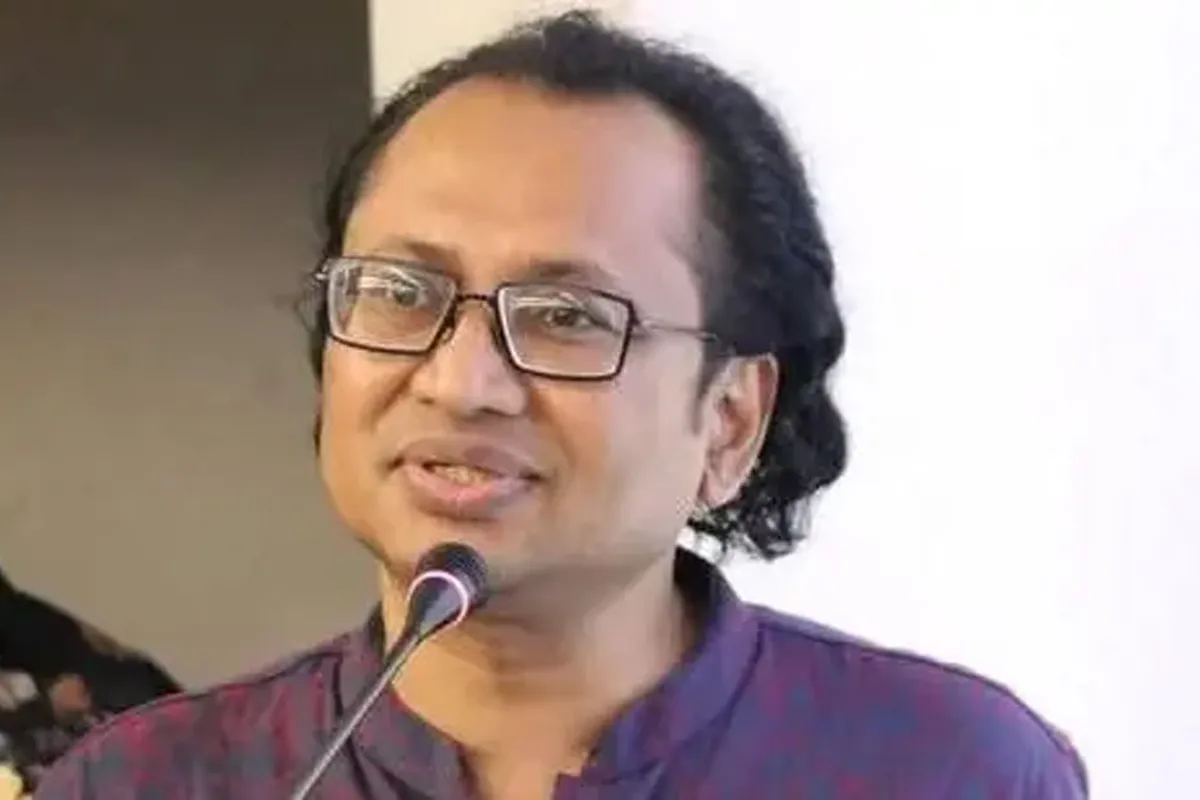
Zahid Al-Rahman, adviser to Bangladesh’s Prime Minister on Information, Broadcasting and Cultural Affairs — a position equivalent in rank to a Minister of State — arrived at New Delhi airport leading a Bangladeshi delegation to attend a formal conference. What followed was not a welcome reception. Indian immigration officials held him for two hours without providing any explanation, denying him the protocol treatment his rank and pre-notified visit warranted.
Al-Rahman walked out. He cancelled the visit entirely and flew home.
A Deliberate Signal, Not an Administrative Error
Al-Rahman was unambiguous about his interpretation of events. He stated publicly that he felt a message needed to be sent — and that the message was clear: this is not Sheikh Hasina’s government. The remark cuts directly to the political subtext. Under Hasina, Dhaka maintained close and often deferential ties with New Delhi. The current administration has signaled it will not operate within that framework.
Indian authorities had been informed of the visit in advance through proper diplomatic channels. The detention of a pre-cleared, senior government official carrying full diplomatic credentials cannot credibly be attributed to procedural oversight. Political analysts quoted by BBC characterize the incident as a deliberate expression of Indian dominance — the kind of pressure applied to smaller neighbors to signal displeasure or test resolve.
Bangladesh’s response was swift and formal. The Foreign Ministry summoned India’s Acting High Commissioner in Dhaka, the standard diplomatic mechanism for registering serious objection to a bilateral incident.
A Relationship Already Under Strain
The airport incident did not occur in isolation. Analysts point to a pattern of Indian conduct toward Bangladesh that extends well beyond protocol disputes. India maintains significant trade barriers that sustain a large trade deficit unfavorable to Dhaka. The Farakka Barrage water-sharing arrangement and the long-stalled Teesta River treaty represent decades of unresolved grievances over water resource management — a particularly sensitive issue for a delta nation whose agricultural economy depends on river flows.
Border killings by Indian security forces along the Bangladesh frontier remain an unresolved and deeply felt issue in Bangladeshi public opinion. Each of these grievances individually might be managed through quiet diplomacy. Together, they form a pattern that the current Bangladeshi leadership appears unwilling to absorb without response.
New Government, New Posture
What makes this moment significant is the explicit framing Al-Rahman chose. By invoking Sheikh Hasina’s name as a contrast, he publicly signaled that Dhaka’s foreign policy posture has fundamentally shifted — that the new administration will not exchange national dignity for regional accommodation.
Bangladesh’s Foreign Ministry reinforced that position directly, stating that no relationship will be pursued at the cost of self-respect, national interest, or state dignity.
What India Risks
New Delhi’s approach toward smaller South Asian neighbors has historically oscillated between partnership and pressure. That approach is encountering a changed political environment in Dhaka — one where public sentiment, institutional confidence, and leadership calculus have all shifted. Continued misreading of that shift carries real costs for Indian influence in its most immediate neighborhood.
The airport in New Delhi became, unexpectedly, a diplomatic inflection point. How both governments respond in the coming weeks will determine whether this hardens into sustained tension or prompts a recalibration from India.
Catch all the World News, Breaking News Event and Trending News Updates on GTV News
Join Our Whatsapp Channel GTV Whatsapp Official Channel to get the Daily News Update & Follow us on Google News.
Must Read
Entertainment
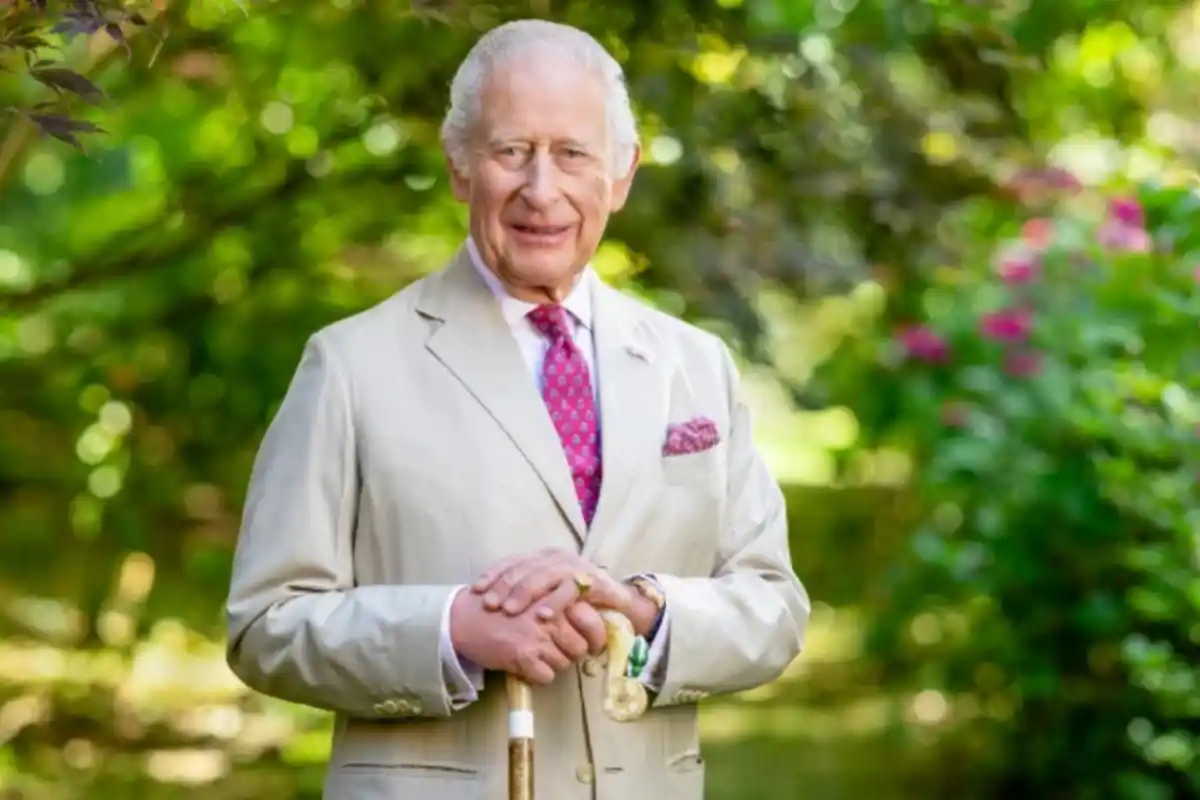
King Charles Sends Independence Day Wishes to Botswana on 60th Anniversary
30-September،2026