
Vance Draws Hard Line on Iran Deal: Abandon Terror Support or Get Nothing

The diplomatic language surrounding the US-Iran agreement just got considerably sharper.
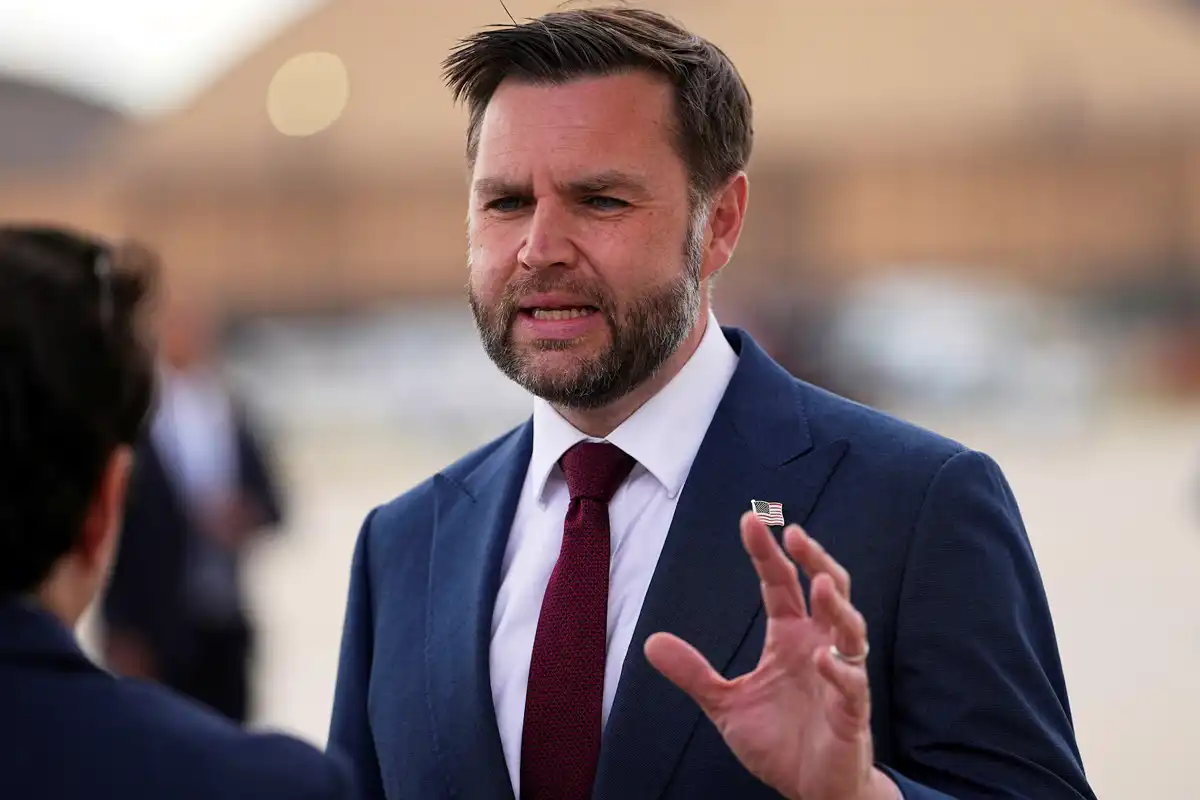
In a Fox News interview, Vice President JD Vance stripped away the diplomatic framing and delivered Washington’s terms in blunt transactional language: Iran gets economic benefits only if it fundamentally changes its behavior. No behavioral change, no rewards — full stop.
Three Non-Negotiables
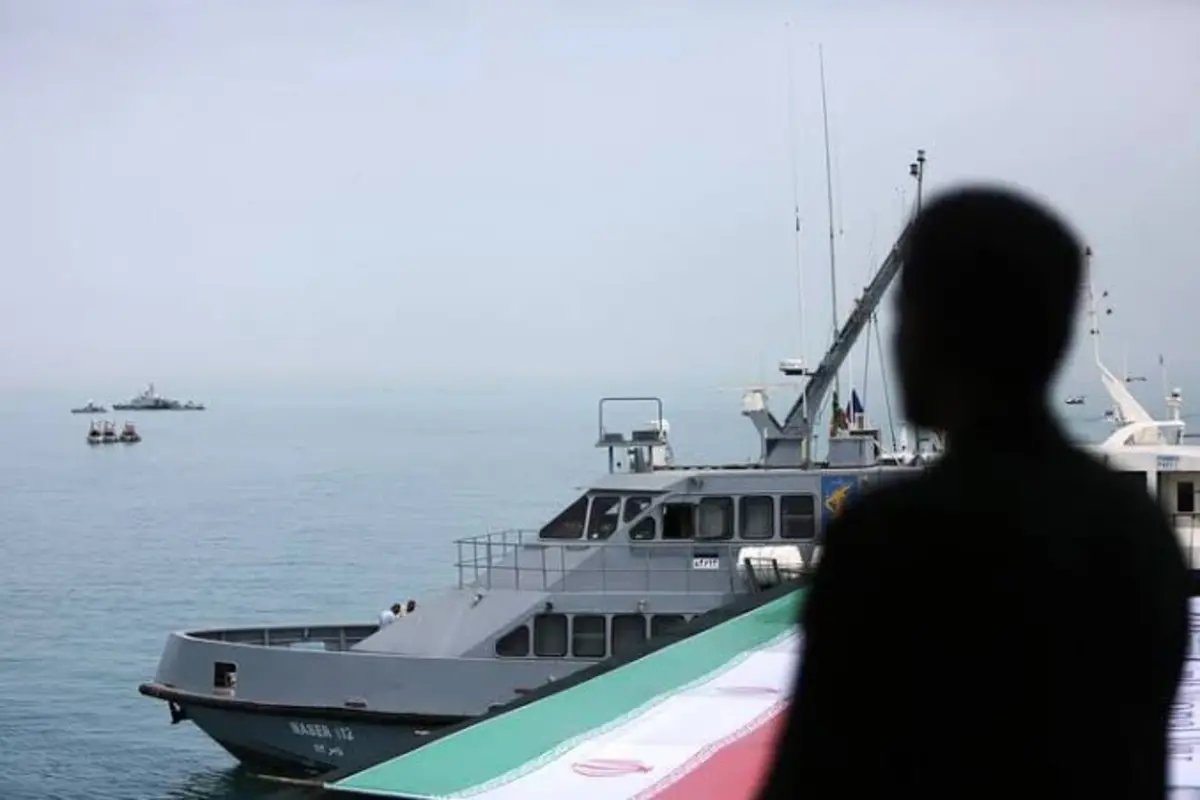
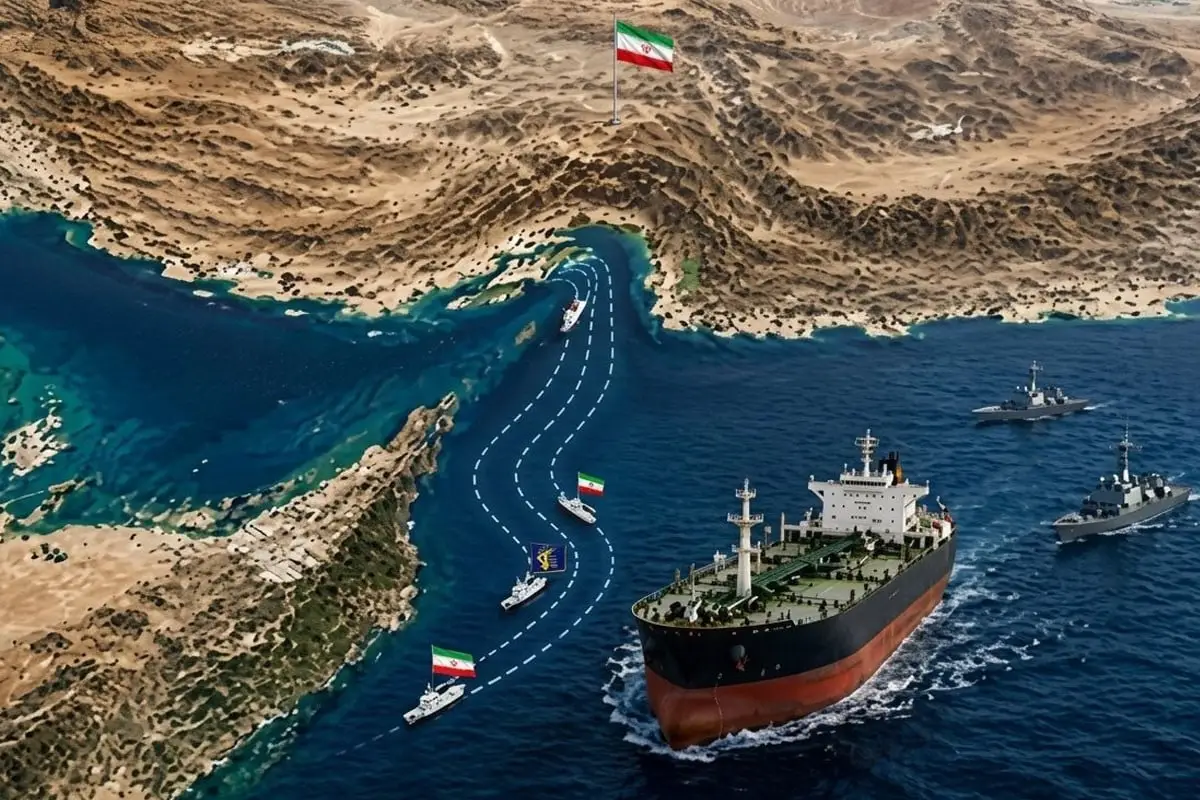
Vance characterized the agreement as straightforward, built on three absolute conditions. First, Iran must never develop nuclear weapons — not a temporary cap, not a phased reduction, but a permanent prohibition. Second, the Strait of Hormuz must remain open to international commerce without restriction or interference at any point in the future. Third, economic benefits flow only in response to demonstrated good conduct — sanctions relief and financial integration are conditional, not guaranteed upon signing.
This conditionality framing represents a deliberate departure from the JCPOA model, under which sanctions relief was front-loaded against promises of future compliance. The Trump administration appears to have structured incentives in reverse — behavior first, benefits second.
The Terrorism Ultimatum
The sharpest edge of Vance’s statement concerned Iran’s support for proxy forces and militant organizations across the region. He stated directly that if Iran continues financing terrorism, it receives nothing from the agreement regardless of what else it concedes. This demand goes substantially further than the nuclear question and touches on Iran’s entire regional strategy — its support for Hezbollah, Hamas, Houthi forces, and various Iraqi militias forms the core of what Tehran considers its strategic depth.
Demanding Iran abandon this posture as a precondition for economic normalization is asking the Islamic Republic to voluntarily dismantle the foreign policy architecture it has built over four decades. Whether Iranian leadership considers the $300 billion economic package sufficient compensation for that strategic retreat remains the defining unanswered question.
Washington’s Win-Win Framing
Vance went further, asserting that the United States wins regardless of Iran’s response. If Iran complies, the region stabilizes and a nuclear threat is neutralized. If Iran defects, existing pressure mechanisms remain intact and Iran bears the political cost of walking away from normalization.
This framing serves a domestic political purpose — preemptively neutralizing criticism that the administration made concessions without guarantees. It also signals to Tehran that Washington negotiated from confidence rather than urgency.
What This Means for Implementation
The gap between Vance’s conditions and what Iran’s leadership can politically deliver to its domestic hardline constituency is significant. Supreme Leader Khamenei’s base views proxy network support as a revolutionary obligation, not a negotiating chip. Any Iranian government seen surrendering that posture risks serious internal backlash.
The June 19 Geneva signing will formalize the framework. Whether Iran’s subsequent conduct satisfies Washington’s behavioral benchmarks — or whether Vance’s ultimatum becomes the deal’s eventual epitaph — will unfold over the months that follow.
The architecture is signed. The stress test is just beginning.
Catch all the World News, Breaking News Event and Trending News Updates on GTV News
Join Our Whatsapp Channel GTV Whatsapp Official Channel to get the Daily News Update & Follow us on Google News.
Must Read