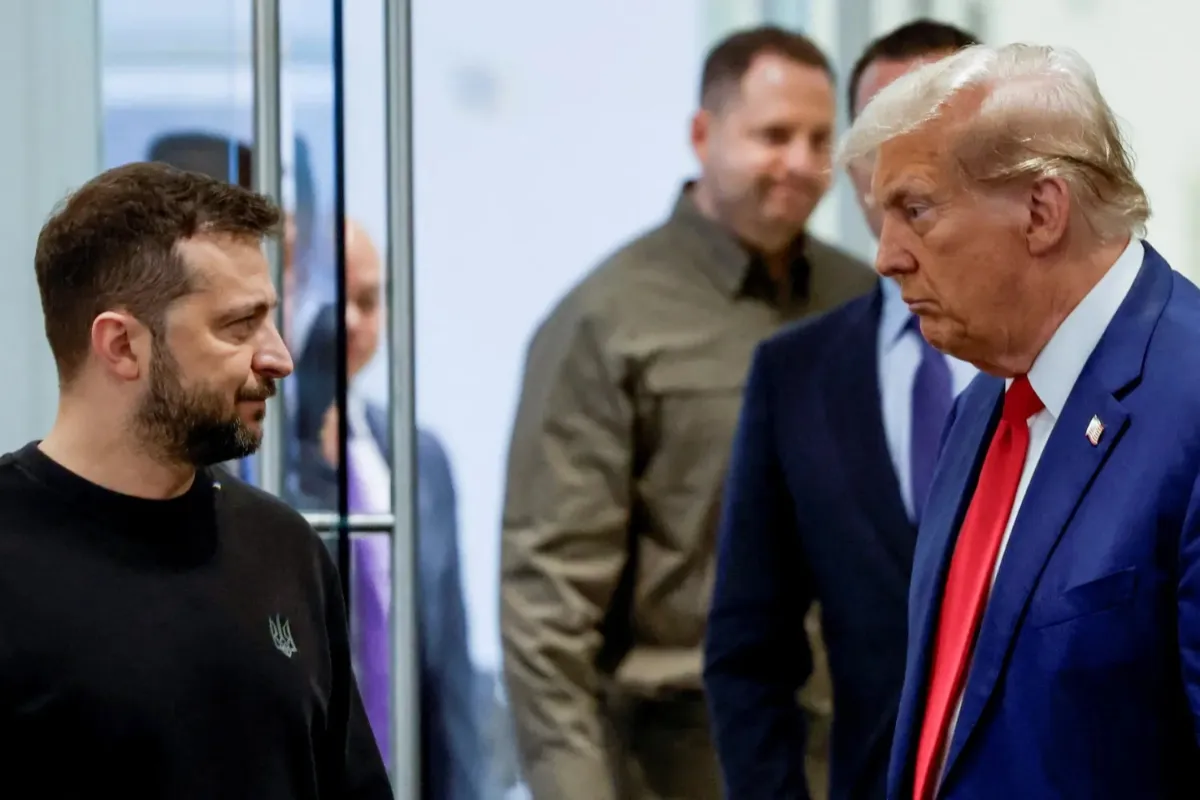

US vice president Vance postpones Switzerland trip for talks originally slated for Friday

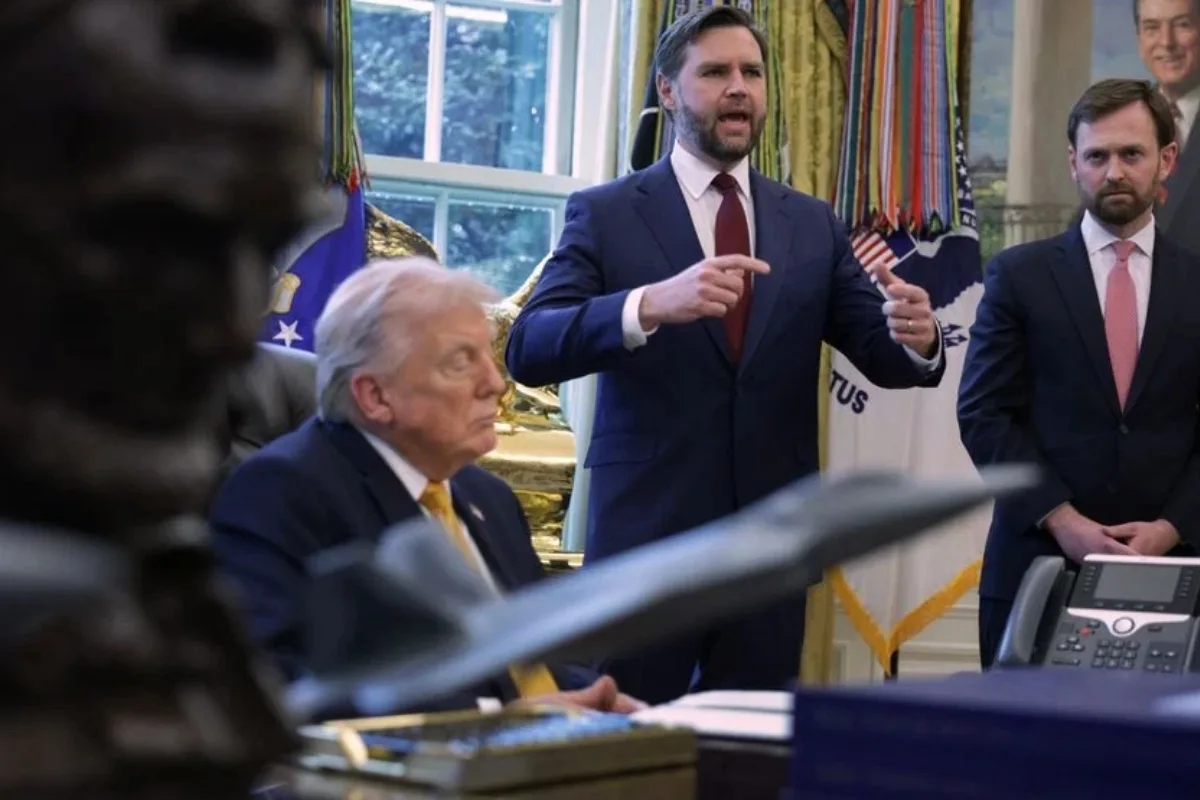
Trump Creates Anti-Fraud Task Force Led by VP JD Vance
The sudden postponement of US Vice President JD Vance’s Switzerland mission signals something rarely acknowledged in official statements—the fragile mechanics of modern international negotiations are more brittle than ever. What appeared as a straightforward Friday departure instead became a late Thursday U-turn, revealing the unpredictable terrain of US-Iran diplomatic engagement at a moment when time pressure is mounting globally.
The White House attributed the delay to “logistics,” a catch-all phrase that obscures deeper complications. In diplomatic practice, logistics failures at this level rarely mean scheduling mishaps. They typically signal substantive disagreements over protocols, verification mechanisms, or preconditions that only surface days before talks commence. The shift from a definitive Friday timeline to “as soon as possible” suggests negotiators encountered unresolved structural issues neither side was prepared to navigate publicly.
The postponement comes amid broader regional instability. Saudi Arabia and UAE interests in any Iran settlement are competing priorities, while Israeli security concerns remain a background pressure point. Previous US-Iran agreements—particularly the 2015 JCPOA—collapsed partly due to exactly these logistics bottlenecks: technical teams unable to bridge verification gaps, enforcement mechanisms disputed by competing stakeholders, and political calendars misaligned between Washington and Tehran.
Historically, when presidential administrations delay high-stakes talks at the last minute, three outcomes follow. First, one side leverages additional time to harden negotiating positions. Second, domestic pressure accumulates—Congress, media, and regional allies begin questioning commitment levels. Third, momentum toward agreement diminishes measurably with each postponement cycle. The Obama administration’s Iran talks endured eight postponements before breakthrough; the Trump administration abandoned talks entirely.
The “technical talks” framework Vance referenced differs from comprehensive negotiations. Technical teams typically address verification, sanctions architecture, and implementation timelines—the unsexy infrastructure that determines whether agreements survive scrutiny. That Switzerland remains the venue despite delays suggests both parties remain invested, yet the fact that technical groundwork remains incomplete one week before planned negotiations indicates preparation has stalled.
Geopolitically, the timing matters. Middle Eastern powers are watching whether Washington can sustain diplomatic initiatives amid domestic political pressures. Each postponement signals weakness to adversaries and nervousness to allies. Regional actors—particularly those betting on a settlement—face uncertainty about timeline and outcome probability, which historically prompts hedging behaviors and temporary alignment shifts.
For markets and energy sectors, extended negotiation timelines directly correlate with prolonged uncertainty premiums on oil and regional stability instruments. Investors require clarity on sanctions trajectories and Iranian economic integration timelines—ambiguity is economically expensive.
The path forward depends on whether the next “technical talks” session actually produces convergence. If postponements continue beyond mid-July, expect either fundamental structural collapse or backroom pressure from intermediaries like Oman and Qatar to force breakthrough concessions from both sides.
Catch all the World News, Breaking News Event and Trending News Updates on GTV News
Join Our Whatsapp Channel GTV Whatsapp Official Channel to get the Daily News Update & Follow us on Google News.
Must Read