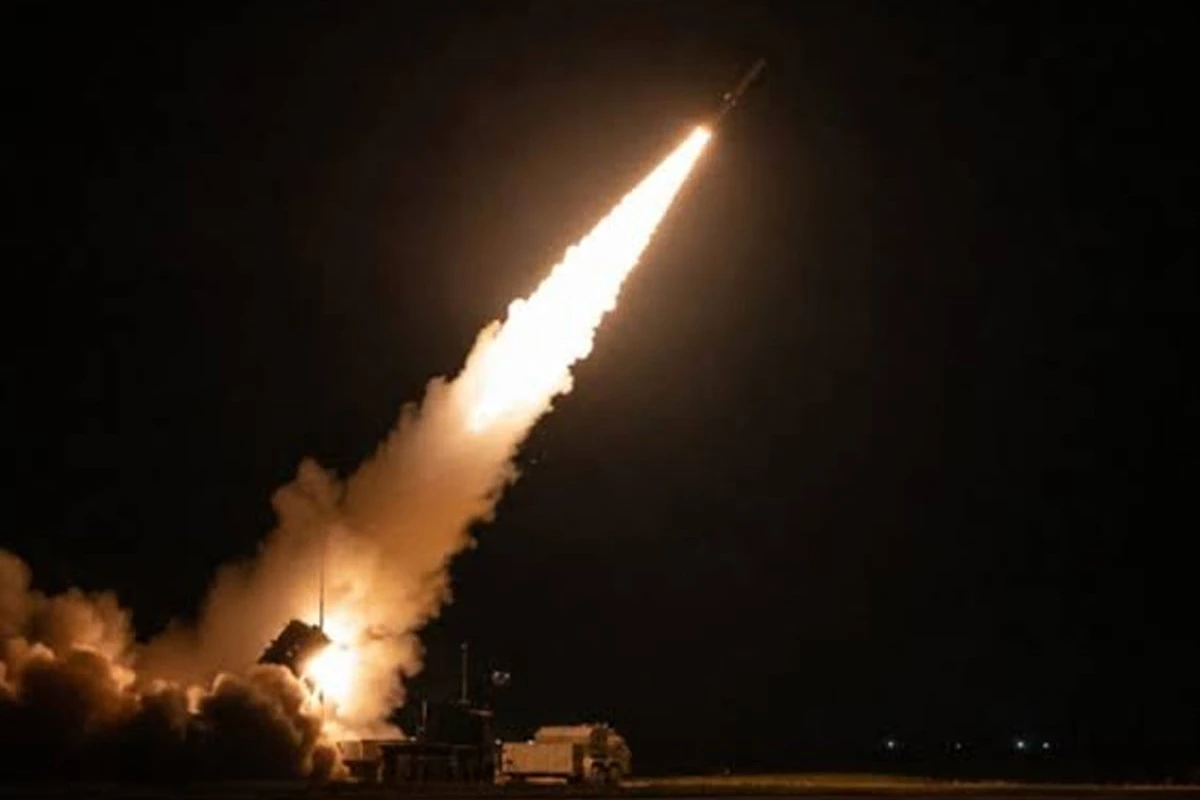
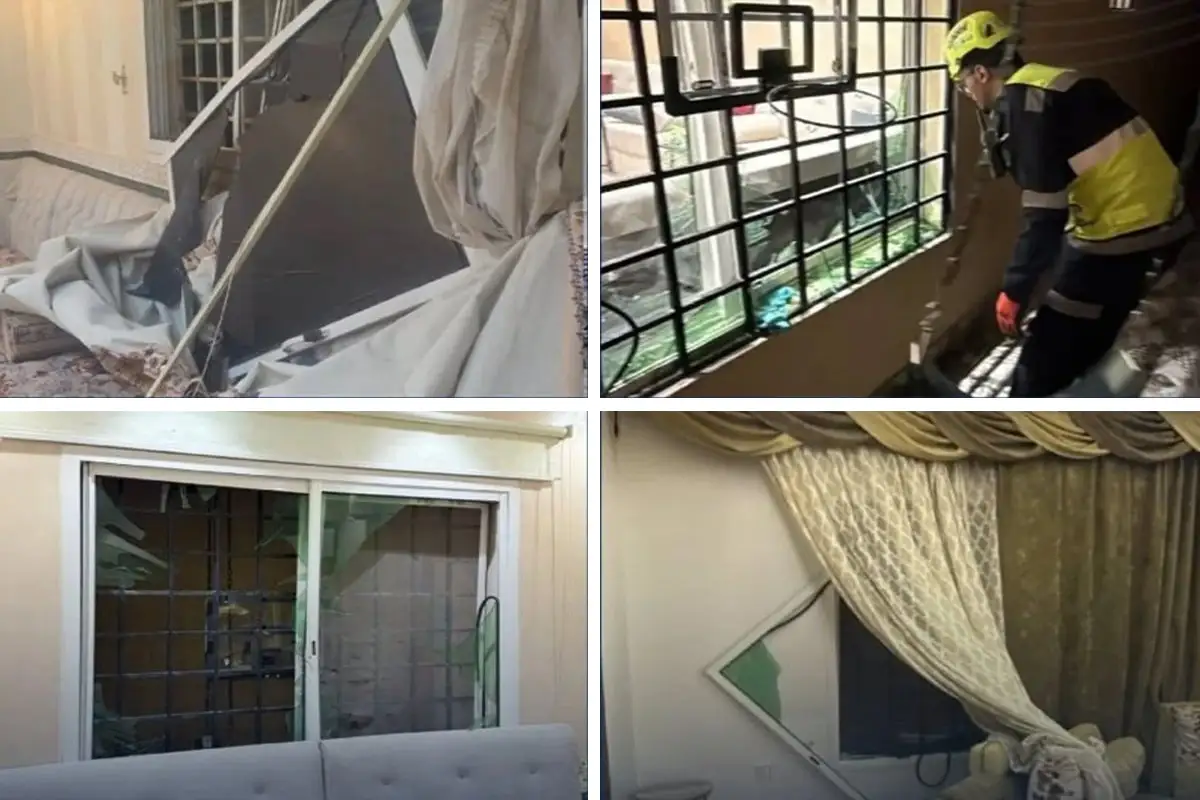
Qatar LNG Site Explosion Leaves 54 Injured, 18 Missing as Rescue Operations Continue

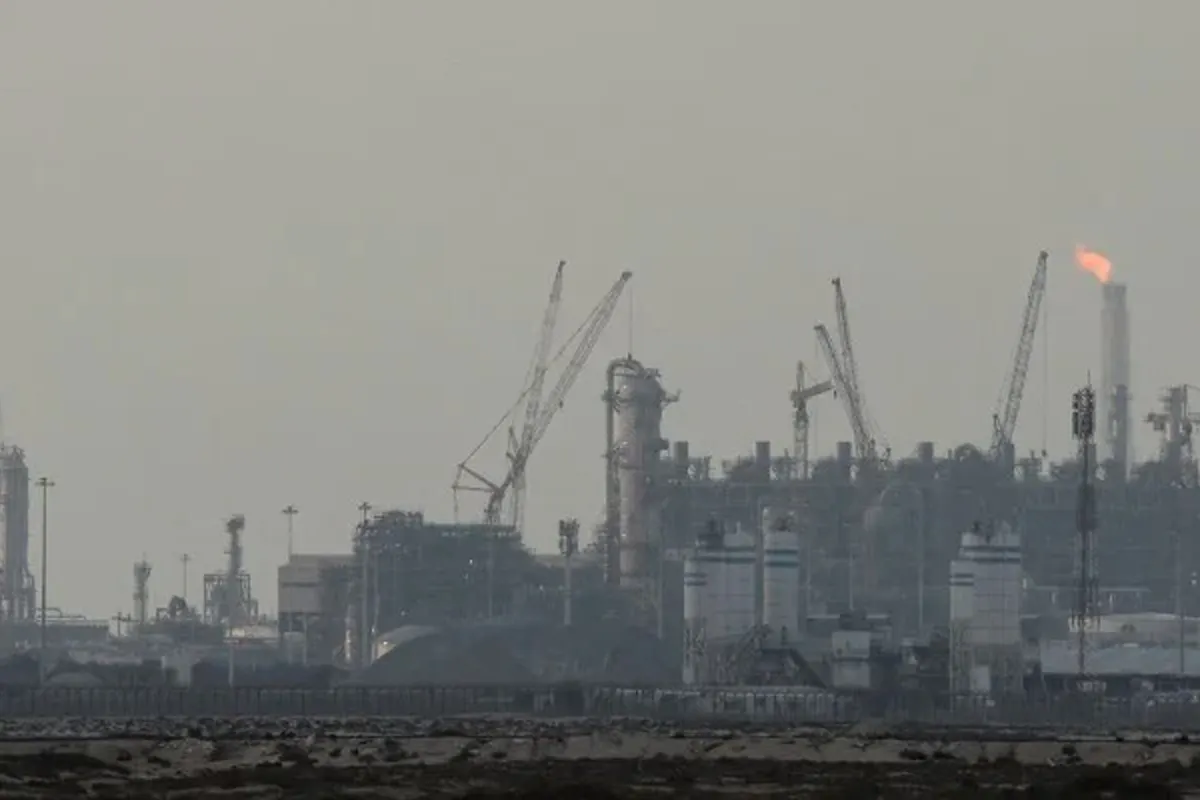
Qatar’s Ras Laffan complex experienced its second major catastrophe in six months—this time self-inflicted. An explosion injuring 54 workers and leaving 18 missing at the world’s third-largest LNG producer arrived precisely when global energy markets were absorbing Iranian strike damage from March. The coincidence exposes a grim reality: critical infrastructure designed for decades of stability is fracturing under combined geopolitical and operational stress.
The facility’s trajectory from operational status to critical casualty event occurred during startup procedures—typically the riskiest industrial moment. QatarEnergy’s vague attribution to “technical malfunction” obscures crucial questions. Did March’s Iranian drone strikes compromise structural integrity or safety systems? Did compressed restart timelines eliminate standard safety protocols? Did maintenance backlogs create undetected vulnerabilities? Official statements avoid these specifics, suggesting either genuine uncertainty or deliberate opacity about systemic failures.
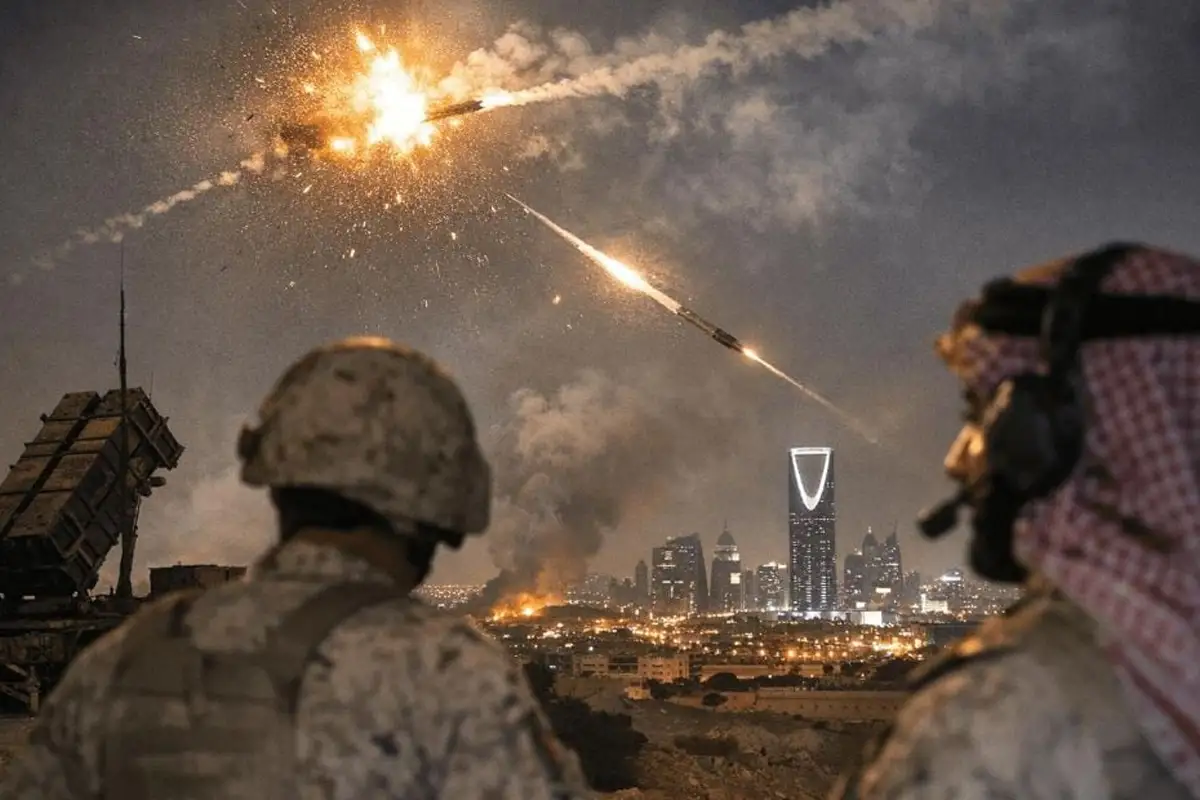
Qatar’s vulnerability is geometric. Iranian strikes in March already severed 17% of Qatar’s LNG export capacity, with repairs requiring three to five years. The facility resumed operations at reduced capacity, suggesting corner-cutting to recover lost export revenue. Now, with 54 injured and 18 missing, the complex faces simultaneous investigation, emergency repairs, and potential prolonged shutdown. Global LNG markets that absorbed March’s disruption now confront extended supply contraction.
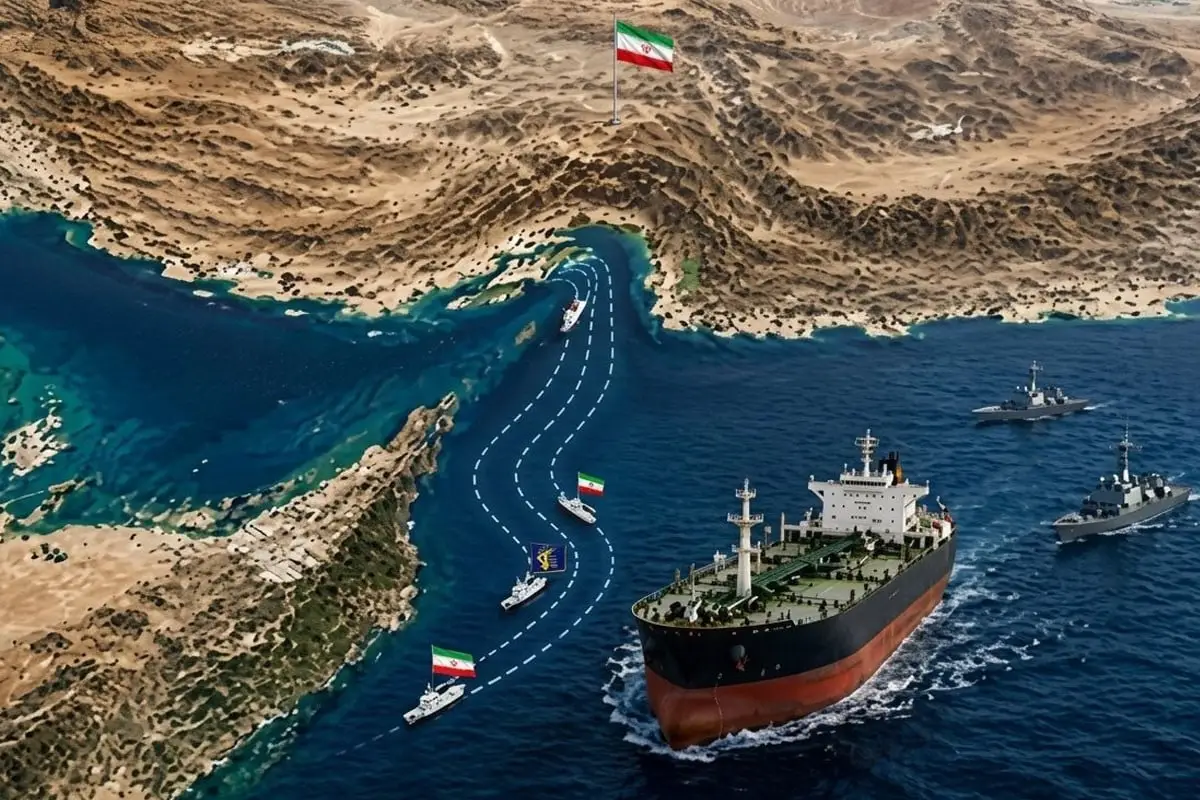
The geopolitical irony deepens. Qatar positioned itself as a regional mediator in US-Iran tensions, hosting diplomatic talks while American and Iranian forces clash through proxy strikes on Gulf energy infrastructure. That balancing act collapsed when Iranian missiles targeted Qatar’s economic lifeline. The current explosion represents the cost of Qatar’s failed neutrality: infrastructure damaged by Iranian strikes, restarted under pressure, now broken by operational failure tied to incomplete repairs.
Global LNG markets face cascading implications. Europe, dependent on imported liquefied gas after Russian supply cuts, competes with Asia for Qatar’s reduced output. Japan and South Korea face bidding wars for scarce supplies. LNG prices, volatile throughout 2024-2026, will spike if Ras Laffan requires extended repairs. Energy-intensive industries—aluminum, fertilizer production, petrochemicals—will shift costs downstream to consumers already struggling with inflation.
The insurance and liability dimensions remain opaque. If Iranian strikes damaged critical systems that QatarEnergy failed to repair adequately, investor and insurer exposure could be substantial. If operational shortcuts caused the explosion, criminal negligence charges potentially follow. Neither scenario benefits Qatar’s international credibility or investment climate.
Historical precedent warns about compound failures in critical infrastructure. The 2011 Fukushima disaster occurred when multiple safety systems failed sequentially. Qatar’s situation mirrors this pattern: initial Iranian damage, rushed restoration, then internal system failure during vulnerable startup conditions. Each component might be manageable independently; together they create catastrophic scenarios.
For global energy security, Ras Laffan’s collapse signals dangerous fragmentation. Major production facilities are now simultaneously vulnerable to external military strikes and internal operational failures. Diversification toward renewables accelerates, but near-term energy demands remain fossil-dependent. Qatar’s predicament—caught between geopolitical conflict and aging infrastructure simultaneously—presages broader vulnerabilities across Middle Eastern energy facilities increasingly exposed to drone strikes and operational degradation.
The 54 injured and 18 missing represent immediate human tragedy. The broader disaster is structural: critical global infrastructure operated at unsustainable stress, breaking predictably when systems compound.
Catch all the World News, Breaking News Event and Trending News Updates on GTV News
Join Our Whatsapp Channel GTV Whatsapp Official Channel to get the Daily News Update & Follow us on Google News.
Must Read