
Iran, France FMs discuss Islamabad MoU implementation

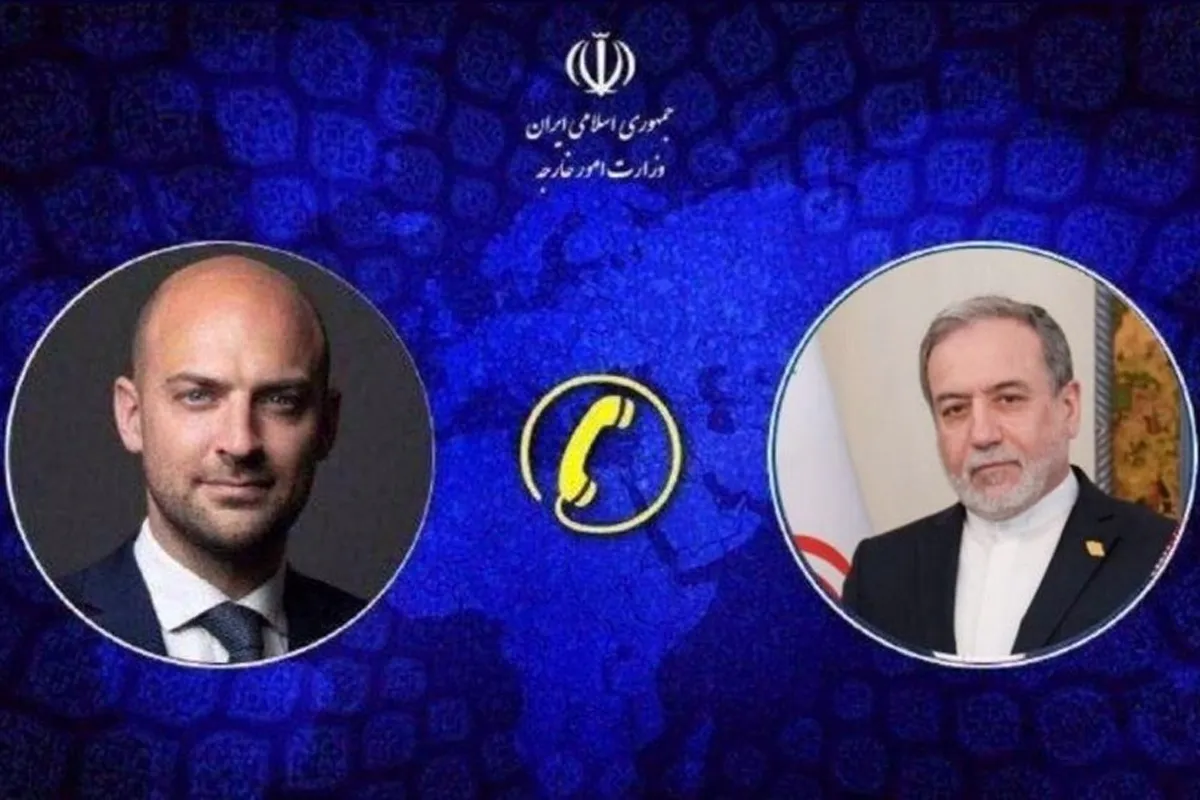
Iran’s categorical rejection of a French-led demining initiative for the Strait of Hormuz reveals a fundamental tension embedded within the Islamabad memorandum of understanding: who actually controls strategic infrastructure during and after conflict. The dispute between Tehran and Paris exposes cracks in the ceasefire framework less than three weeks after its implementation began.
France and Oman proposed joint demining operations to restore commercial shipping through the waterway, presented as a humanitarian effort to stabilize global energy flows. Iran’s Deputy Foreign Minister Kazem Gharibabadi responded by invoking the Islamabad agreement’s language: demining would proceed “exclusively by Iran” with no external participation, coupled with warnings that French involvement constituted “provocation” risking further complications.
This rejection signals something deeper than territorial defensiveness. Iran interprets the memorandum as granting it unilateral authority over Strait of Hormuz operations—a sovereignty claim that transforms the ceasefire from mutual agreement into Iranian prerogative. The Islamabad framework apparently contains language that Iran reads as recognition of exclusive Iranian control over demining operations, a clause unlikely to have received equivalent scrutiny during Western negotiation.
France’s position demonstrates the Western alliance coordination problem. Paris attempted constructive mediation consistent with its traditional regional posture, yet encountered immediate resistance framed as sovereignty violation. This dynamic reveals how ceasefire language, drafted under time pressure by competing parties with divergent interpretations, inevitably produces contradictory understandings of what was actually agreed.
The demining issue carries practical consequence. Mines planted during the conflict genuinely obstruct commercial shipping, affecting global oil markets already destabilized by Strait closure. However, external demining operations create risks Iran categorically rejects: loss of operational control, potential intelligence gathering, and reduction of Iran’s leverage over maritime traffic. From Tehran’s perspective, maintaining sole demining authority preserves strategic ambiguity about the waterway’s actual accessibility and Iran’s capacity to restrict it.
Iran’s firmness on this issue likely reflects confidence in its negotiating position. With $6 billion in unfrozen assets and demonstrated military capacity, Tehran faces limited incentive to grant Western allies operational roles in its territorial waters. Conversely, Western negotiators apparently failed to secure guarantees of third-party involvement in demining—a critical oversight given the strategic importance of keeping commerce flowing.
The French reaction offers insight into broader Western frustration. Foreign Minister Jean-Noël Barrot’s engagement with Iranian counterpart Abbas Araghchi framed as “discussion” rather than negotiation suggests Paris already understands Tehran will not compromise on this demand. France’s role has shifted from mediator to acquiescing observer, lacking leverage to influence Iranian decision-making.
This pattern will likely persist throughout the Islamabad agreement’s implementation. Iran interpreted the memorandum as recognition of its regional supremacy and waterway control, while Western negotiators apparently assumed such language created mutual obligations. As subsequent disputes emerge—over asset releases, sanctions implementation, nuclear program verification—similar sovereignty conflicts will surface repeatedly.
The demining standoff ultimately illuminates the agreement’s actual character: a temporary military pause managed by dominant party (Iran) asserting control over terms rather than genuine settlement between equals. Western attempts at collaborative infrastructure management collide directly with Iranian determination to preserve strategic leverage.
Until negotiators explicitly resolve who controls critical infrastructure and how external verification occurs, such disputes will continue defining the ceasefire’s practical boundaries.
Catch all the World News, Breaking News Event and Trending News Updates on GTV News
Join Our Whatsapp Channel GTV Whatsapp Official Channel to get the Daily News Update & Follow us on Google News.
Must Read