
Ali Khamenei’s body arrives at Tehran complex ahead of funeral

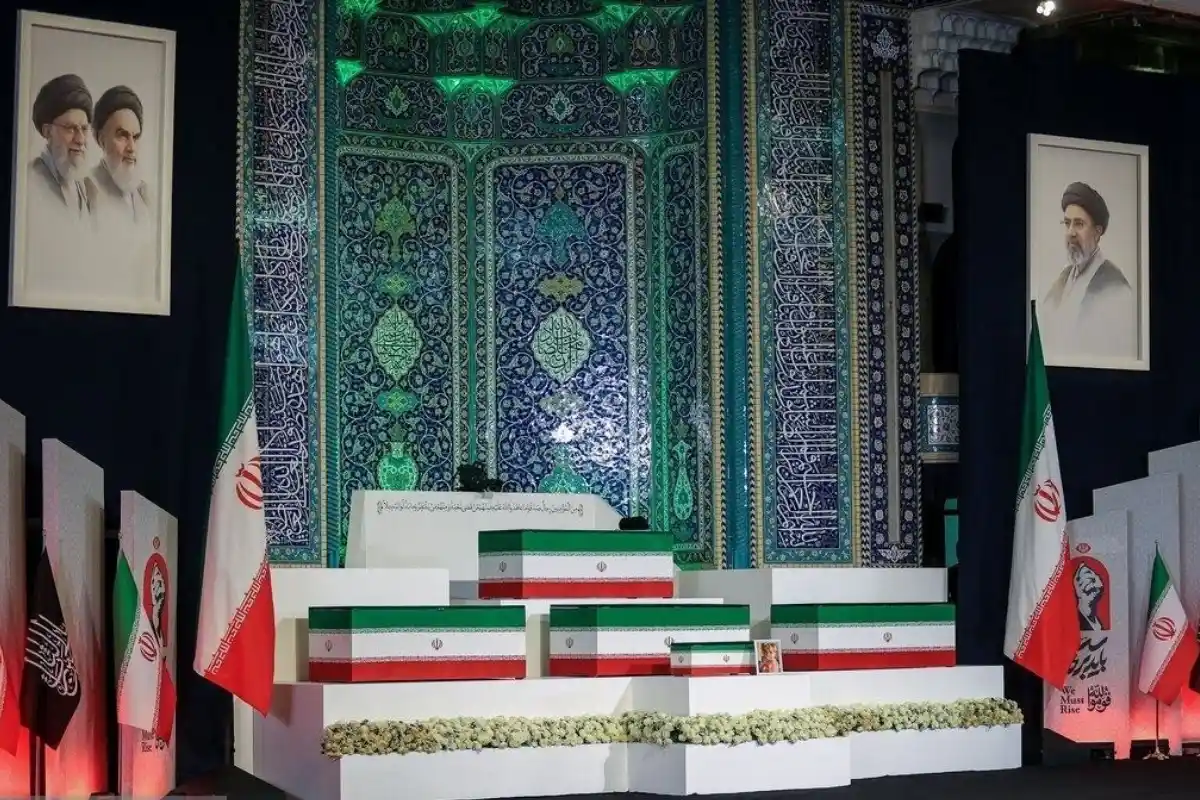
Ali Khamenei's body arrives at Tehran complex ahead of funeral
The body of Iran’s supreme leader, Ayatollah Ali Khamenei, who was killed in US-Israeli strikes, has arrived at Tehran’s Imam Khomeini Grand Mosalla religious complex ahead of his funeral, according to Iranian state media.
Large numbers of people gathered at the religious complex to pay their final respects. State media said delegations from different countries are also arriving in Tehran to attend the funeral and express condolences to the Iranian leadership and people.
According to Iranian media, the body of Ayatollah Ali Khamenei has been placed at the Imam Khomeini Grand Mosalla, where mourners are visiting before the funeral prayers. The coffins of several members of his family, who were also killed in the February 28 attack, have been placed alongside his.
Officials said Ayatollah Ali Khamenei’s wife, his son-in-law, one daughter-in-law, and his two-year-old granddaughter were among those killed in the attack. Their funeral ceremonies are also being held in Tehran.
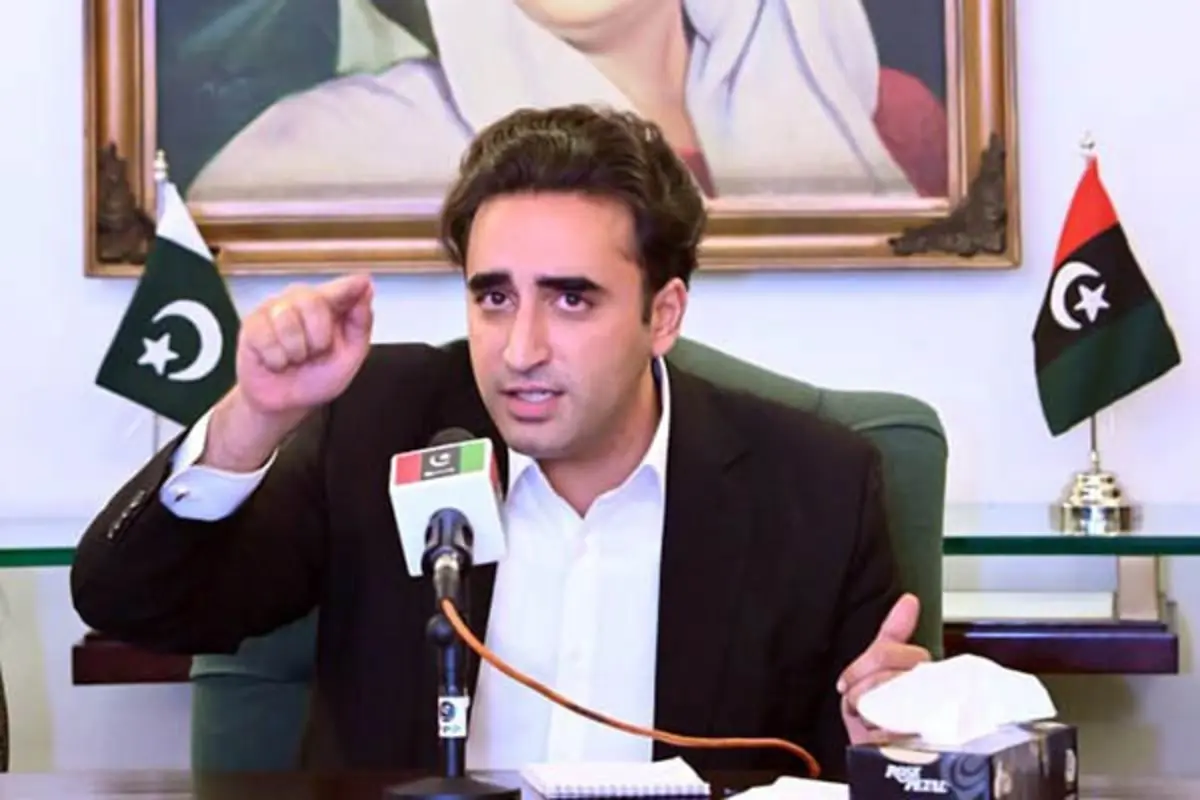
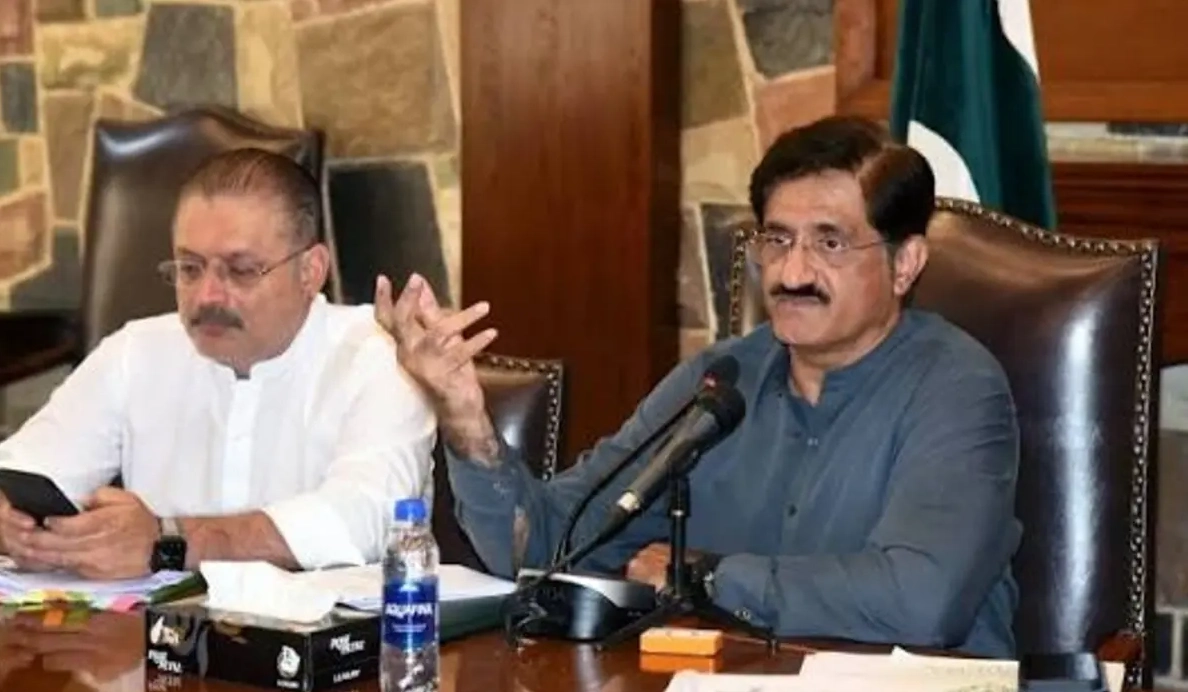
Pakistan’s Prime Minister Shehbaz Sharif arrived in Iran on a one-day visit to attend the funeral. He is leading a high-level delegation that includes National Assembly Speaker Sardar Ayaz Sadiq, Deputy Prime Minister and Foreign Minister Ishaq Dar, Information Minister Attaullah Tarar, Pakistan Peoples Party (PPP) Chairman Bilawal Bhutto Zardari, PPP Secretary General Nayyar Hussain Bukhari, and Sindh Chief Minister Syed Murad Ali Shah.
During the visit, Prime Minister Shehbaz Sharif is expected to offer condolences on behalf of the government and people of Pakistan. He will also express Pakistan’s solidarity with Iran during this period of mourning. After completing his engagements in Tehran, the prime minister is scheduled to travel to Türkiye for an official bilateral visit.
Pakistan’s Senate Chairman Syed Yousuf Raza Gilani has also reached Tehran with a separate high-level delegation. Iranian officials welcomed the delegation at the airport.
Speaking to the media, Gilani described Ayatollah Ali Khamenei as an influential and respected figure in the Islamic world. He said Pakistan and Iran share longstanding historical, religious, cultural, and brotherly relations. He added that Pakistan remains committed to strengthening bilateral ties with Iran.
Iraqi President Nizar Amidi also arrived in Tehran to attend the funeral ceremony. In addition, an Iraqi delegation paid tribute to Ayatollah Ali Khamenei by visiting the funeral venue and offering condolences.
Meanwhile, Iran’s Acting Defence Minister Seyyed Majid Ibn Reza said Tehran has “no trust” in the United States despite signing a memorandum of understanding aimed at supporting regional peace and stability.
He said the agreement was reached after requests from friendly neighbouring countries and was intended to reduce tensions in the region. However, he added that Iran remains cautious because of what he described as the United States’ long history of failing to honour its commitments.
The acting defence minister stressed that Iran’s armed forces remain on full alert and are prepared to respond to any violation of the agreement.
At the same time, tensions between Iran and Israel continue to remain high. Iranian lawmaker Ebrahim Rezaei called for a review of Iran’s nuclear doctrine following recent threats made by Israeli officials. He said the latest developments have raised serious security concerns and require a reassessment of Iran’s defence policy.
According to reports, Iran is preparing several days of mourning and funeral ceremonies. Events will begin in Tehran before continuing with large public processions in the cities of Qom and Mashhad. Additional memorial ceremonies are also expected to be held in Iraq.
Iranian authorities expect millions of people to attend the funeral events. Officials say transport, accommodation, and other arrangements have been made to facilitate mourners travelling from different parts of the country.
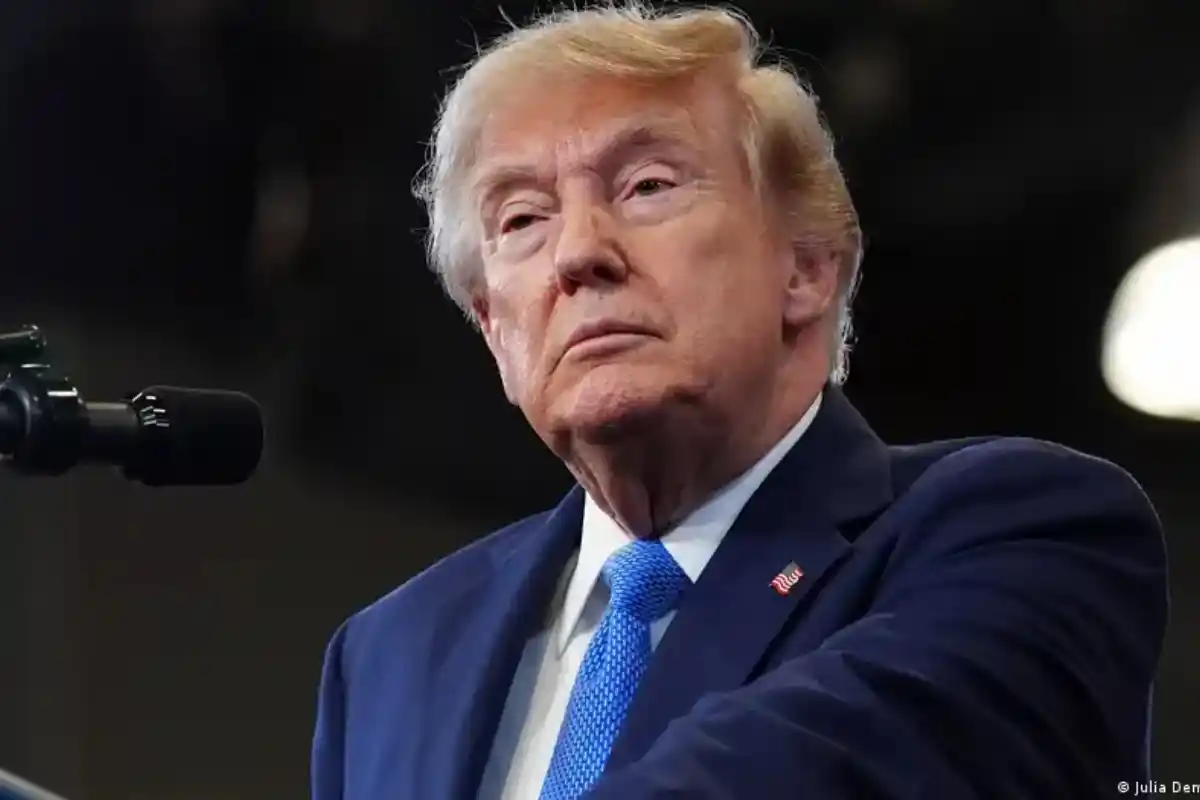
Meanwhile, US President Donald Trump said negotiations with Iran are progressing. In an interview, he claimed Tehran has agreed to “just about everything we need” during ongoing talks.
Trump said the United States is not seeking regime change in Iran and that Washington’s main objective remains preventing Iran from developing a nuclear weapon. He also defended recent US military action, saying the strikes were carried out in response to Iranian actions.
According to reports, mediators from Qatar and Pakistan said the next round of US-Iran negotiations is expected to take place after the funeral ceremonies conclude.
The funeral of Ayatollah Ali Khamenei has drawn global attention, with leaders and officials from several countries gathering in Tehran to pay their respects. The ceremonies are taking place at a time of heightened regional tensions and ongoing diplomatic efforts aimed at reducing conflict in the Middle East.
Catch all the World News, Breaking News Event and Trending News Updates on GTV News
Join Our Whatsapp Channel GTV Whatsapp Official Channel to get the Daily News Update & Follow us on Google News.
Must Read
Pakistan
Sindh Government Allocates Rs5 Billion to Activate Karachi’s TP-1 Sewage Treatment Plant
3-October،2026