
Iran’s Parliament Speaker Declares End of Coercive Diplomacy, Rejects US Pressure

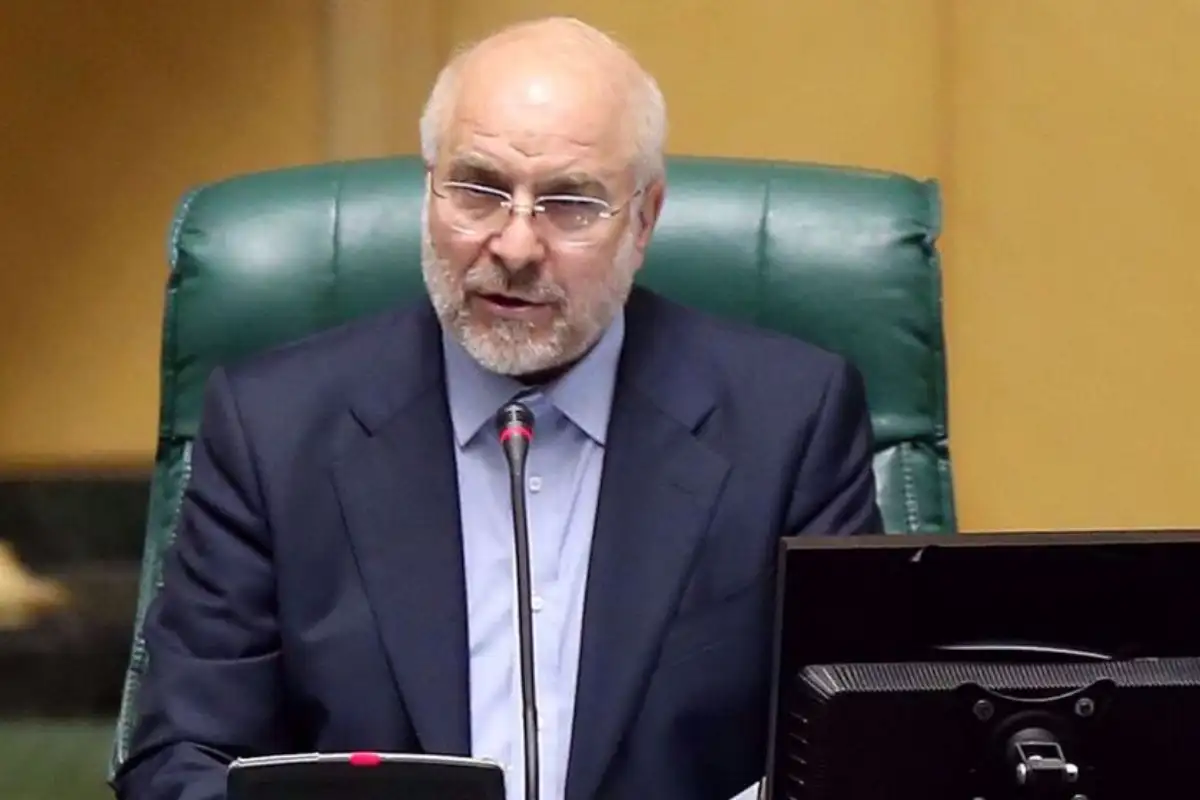
Iran Pushes Back Enemy in 'History-Making' War, Says Parliament Speaker Qalibaf
Iran’s Parliament Speaker and senior negotiator Baghir Qalibaf declared that the era of coercive diplomacy and intimidation has concluded, asserting that Iran will not capitulate to American pressure or threats despite systematic US violations of the Islamabad memorandum of understanding.
Qalibaf’s statement catalogs extensive American treaty breaches while establishing Iranian non-negotiable commitment to national sovereignty and strategic autonomy.
Qalibaf documented specific American violations across multiple dimensions. The US interfered with Iranian management of the Strait of Hormuz by attempting to establish alternative maritime security arrangements; maintained continuous threats of renewed military strikes; unilaterally revoked oil export licenses; and executed military strikes against southern Iranian territory. Each violation constitutes breach of the memorandum’s foundational commitments prohibiting threats and force deployment.
The Parliament Speaker expanded the violations catalog to include US-backed Israeli aggression against Lebanon. The systematic Israeli bombardment of Lebanese territory—occurring while ceasefire supposedly governed regional behavior—represents American complicity in Levantine warfare. By failing to restrain Israeli operations, the US violates the ceasefire’s implicit commitment to regional de-escalation. Qalibaf’s inclusion of Lebanon in the violations list positions the issue within broader Middle Eastern stability framework rather than limiting analysis to bilateral Iran-US dynamics.
Qalibaf’s core assertion addresses fundamental diplomatic reality: coercive diplomacy has become obsolete as negotiating methodology. His statement reflects Iranian assessment that threats, military strikes, and economic sanctions fail to produce Iranian capitulation. Instead, such pressure strengthens Iranian resolve by demonstrating that American good faith commitments prove meaningless. Once nations recognize that external pressure produces no substantive concessions, the coercive mechanism loses efficacy.
The Parliament Speaker’s assertion that Iran will not “bow to American pressure or threats” establishes clear negotiating boundary. Iran has demonstrated military capability sufficient to impose unacceptable costs on American aggression; therefore, continued American pressure contradicts rational cost-benefit calculation. If American planners recognize that Iranian pressure produces escalating Iranian response while remaining diplomatically barren, rational actors should recalibrate strategy toward genuine negotiation rather than continued coercion.
Qalibaf’s characterization of the previous era as “hooliganism and coercion” reflects Iranian historical interpretation of US-Iran relations. From Iranian perspective, American foreign policy toward Iran has consistently employed pressure mechanisms: military interventions, sanctions regimes, naval presence, and proxy warfare. The current moment represents inflection point where Iran possesses sufficient military capability to render American pressure ineffective.
The statement’s timing—following Iranian strikes on 85 US military facilities—reinforces Qalibaf’s assertion regarding changed dynamics. The Iranian military operation demonstrated that American treaty violations trigger proportional Iranian response. By establishing this pattern, Iran has changed the cost calculus for American aggression. Qalibaf’s diplomatic statement follows military demonstration, combining messaging with capability proof.
The Parliament Speaker’s invocation of a new era suggests that Iranian leadership believes fundamental power shift has occurred. Rather than remaining in reactive defensive posture, Iran has adopted proactive deterrent strategy. This transition—from defensive to offensive deterrent positioning—reflects confidence that American planners face genuine constraints on continued aggression.
Qalibaf’s non-negotiable stance on sovereignty and pressure rejection establishes precondition for any negotiations. Before Iranian willingness to engage final nuclear arrangements, American behavior must demonstrate genuine commitment to treaty compliance. Continued violations—diplomatic, economic, military—prove American bad faith and justify Iranian rejection of further diplomatic engagement.
The statement ultimately communicates that Iran has concluded the negotiation cycle. If American leadership cannot honor ceasefire commitments through restraint from threats, economic sanctions, and military strikes, then continued negotiation wastes Iranian diplomatic resources. Iran possesses sufficient military capability to impose unacceptable costs on American aggression; therefore, Iranian strategy has shifted toward deterrent assertion rather than diplomatic accommodation.
Catch all the World News, Breaking News Event and Trending News Updates on GTV News
Join Our Whatsapp Channel GTV Whatsapp Official Channel to get the Daily News Update & Follow us on Google News.
Must Read


Pakistan
Sindh Government Allocates Rs5 Billion to Activate Karachi’s TP-1 Sewage Treatment Plant
3-October،2026