
‘No One’s Assets Will Be Safe’: Iran Hits Back at US Confiscation Threat

Iran's FM to Lebanese president: 'Save Lebanon from your real foe'
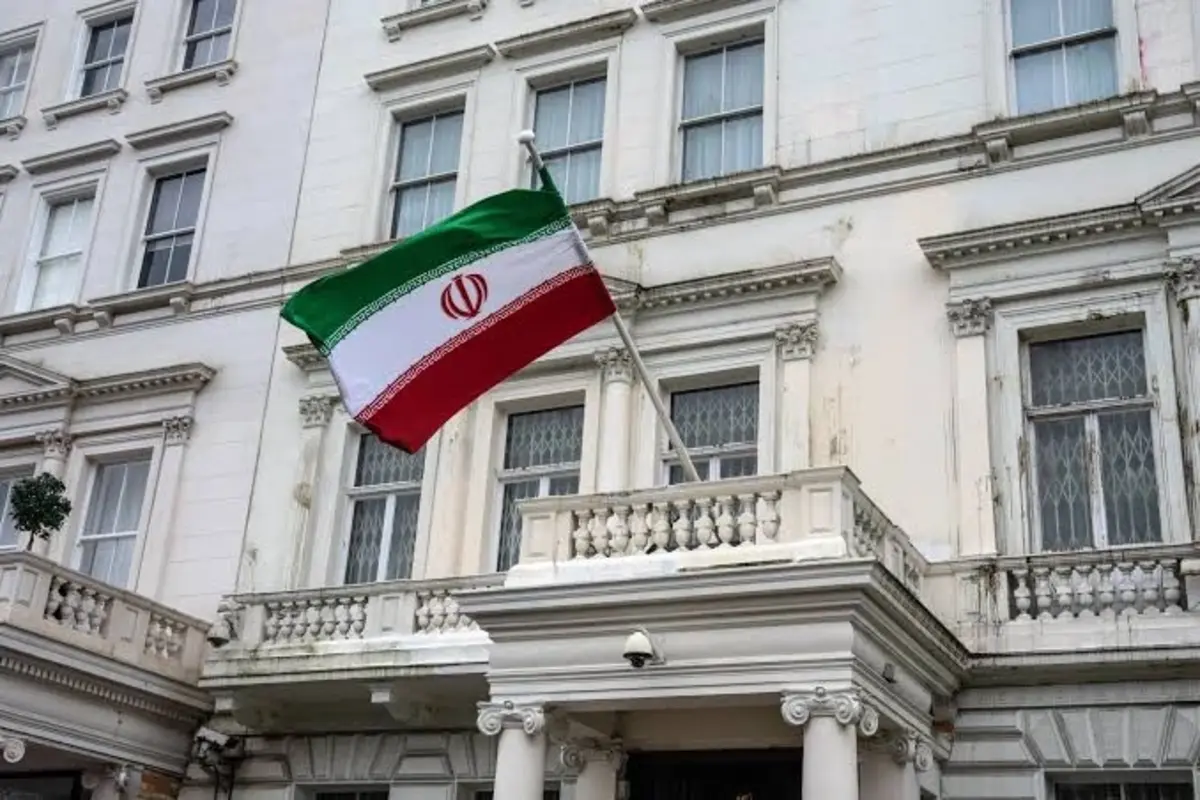
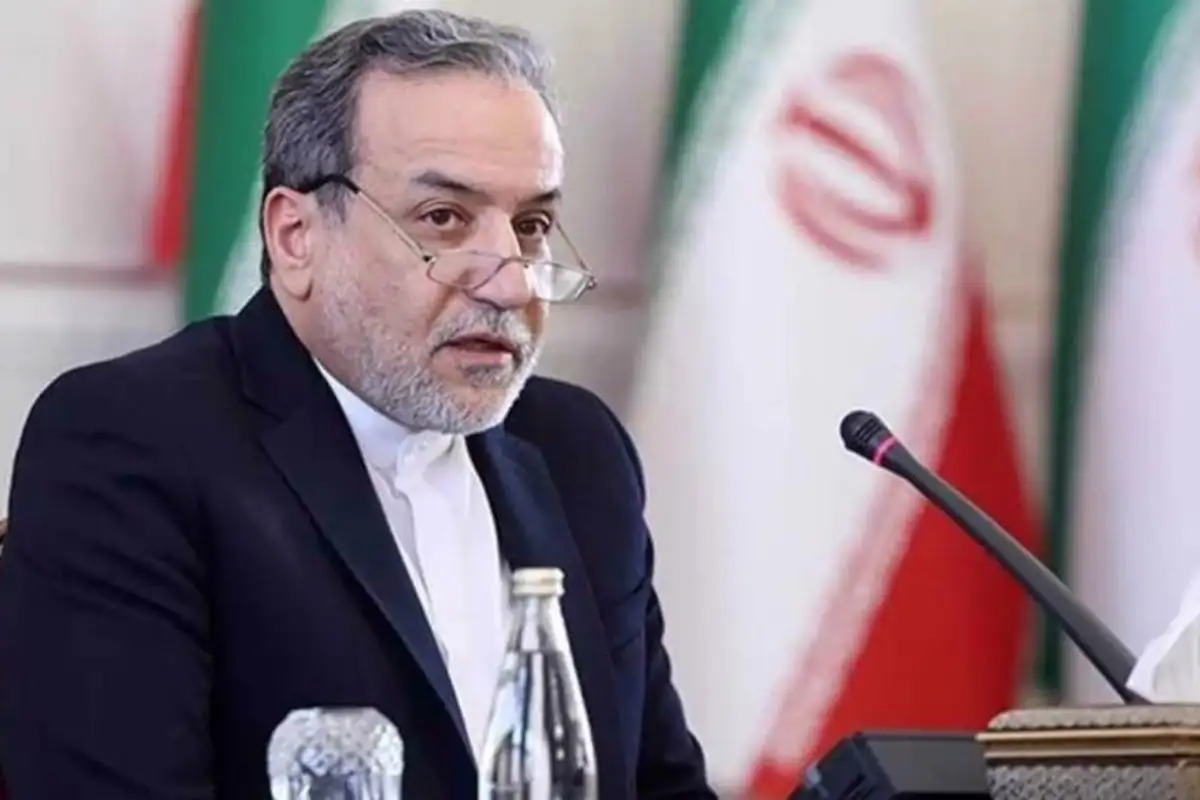
Iranian Foreign Minister Abbas Araghchi has warned against seizing his country’s assets, describing the practice as setting a dangerous precedent for the international system. In a post on X, Araghchi said that using another nation’s assets to pay for unrelated future claims represents an incendiary precedent.
Araghchi urged governments to weigh the broader implications of such measures, arguing that anyone who benefits from confiscated funds should recognize that once asset confiscation becomes normalized, no government’s holdings remain secure. He added that the resulting disorder from such a precedent would not be orderly or peaceful.
The warning follows a statement from President Trump indicating Iranian funds held and controlled by the United States would be used to cover damages to ships, cargo, and related assets. Trump said any and all such damages would be covered by these funds until further notice, describing the potential costs as possibly very substantial while characterizing the measure as fair and equitable.
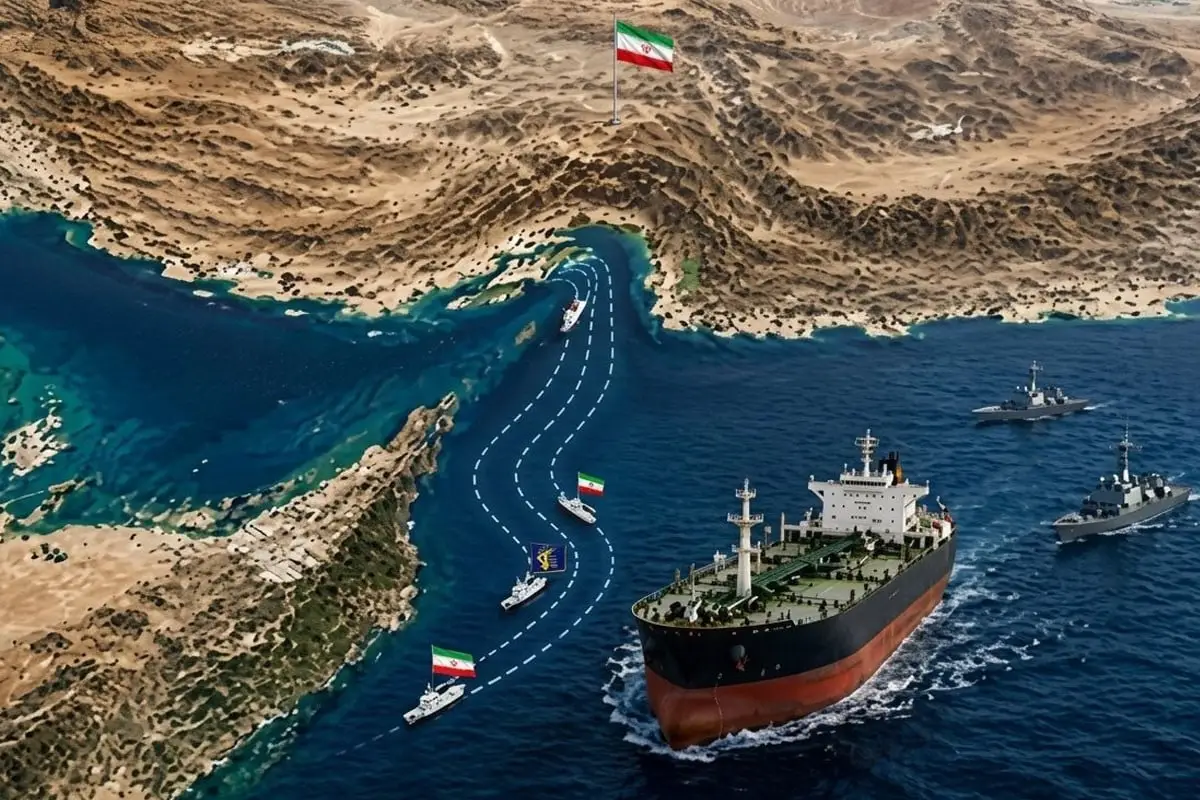
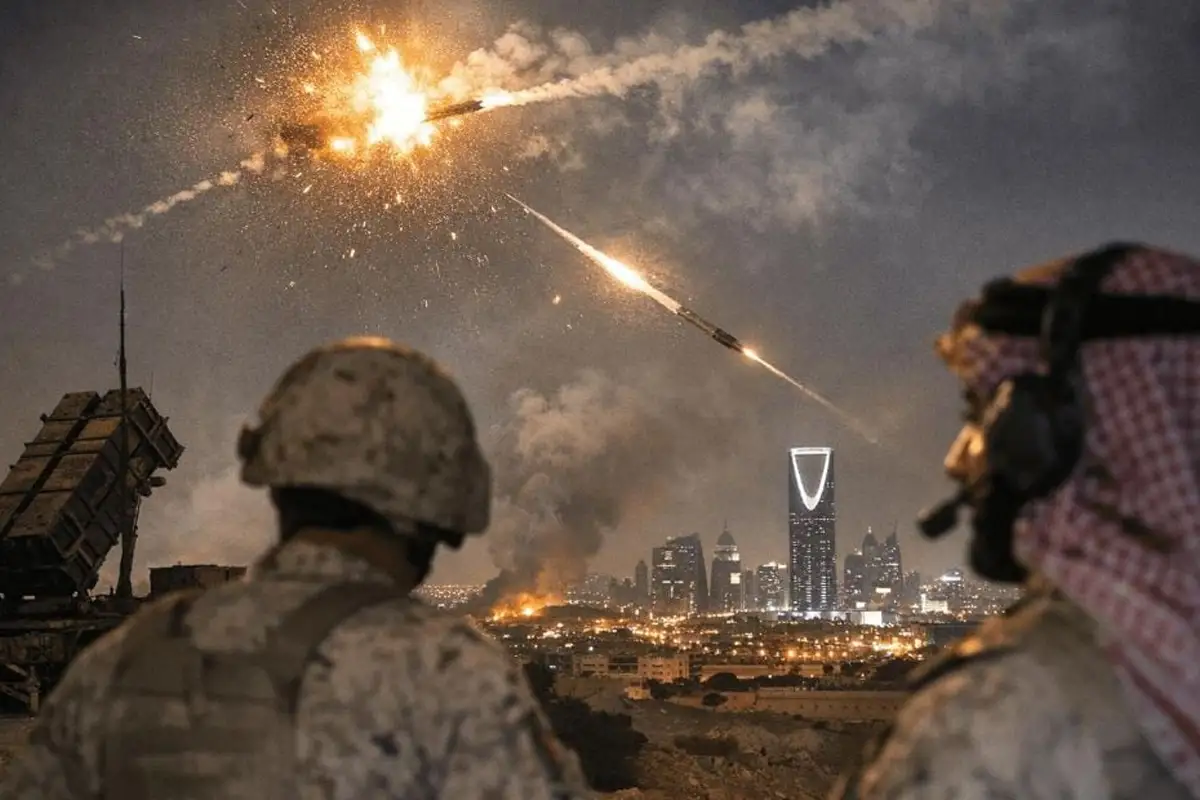
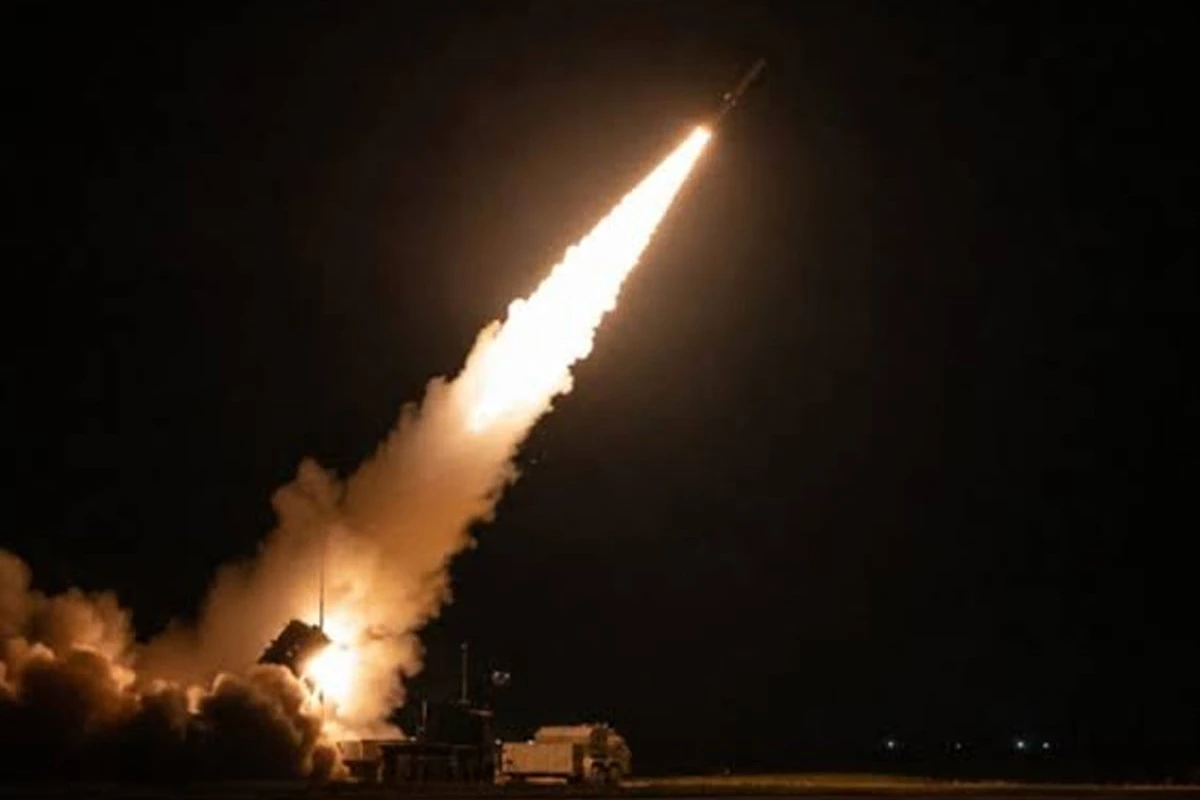
Trump’s proposal appears tied to the broader maritime disruption unfolding in the Strait of Hormuz and Gulf shipping lanes, where Iran has claimed responsibility for multiple tanker attacks, naval strikes, and blockade actions throughout the current conflict. Using frozen or seized Iranian assets to compensate for shipping damages would represent a notable financial mechanism layered onto the military confrontation, effectively making Iranian funds already under US control liable for costs arising from the conflict’s maritime dimension.
Araghchi’s concern about precedent reflects a broader principle in international law regarding sovereign asset protections, which have historically been treated as largely immune from unilateral seizure by other states except under specific, narrowly defined circumstances such as court judgments tied directly to the assets in question. Using frozen assets to cover damages from an ongoing conflict, rather than through an established legal or arbitration process, would mark a departure from that traditional framework — a departure Araghchi is arguing could invite reciprocal actions against other countries’ assets held abroad in future disputes.
The exchange adds a financial and legal dimension to a conflict that has already expanded across military, diplomatic, and economic fronts, from Gulf shipping disruptions to Iran’s claimed strikes on countries hosting US forces. Whether Trump’s proposed use of Iranian funds proceeds as described, and whether it draws formal legal challenges or reciprocal measures from Iran or other nations concerned about the precedent, will likely become clearer as the administration moves from stated intent toward any actual implementation of the policy.
Catch all the World News, Breaking News Event and Trending News Updates on GTV News
Join Our Whatsapp Channel GTV Whatsapp Official Channel to get the Daily News Update & Follow us on Google News.
Must Read


Pakistan
Bilawal Bhutto Calls KP Emergency Difficult but Necessary Constitutional Step
14-October،2026