Iran Rejects US Ceasefire Proposal Delivered Through Iraq, Refuses Temporary Deal

Iran has fully rejected a temporary ceasefire proposal from the United States delivered through Iraq’s prime minister, according to reports on Tehran’s response. The Iranian administration made clear it has no interest in any interim arrangement that leaves control of the Strait of Hormuz and its future status ambiguous — identifying the strait’s status as the central sticking point rather than a peripheral detail in the proposed terms.
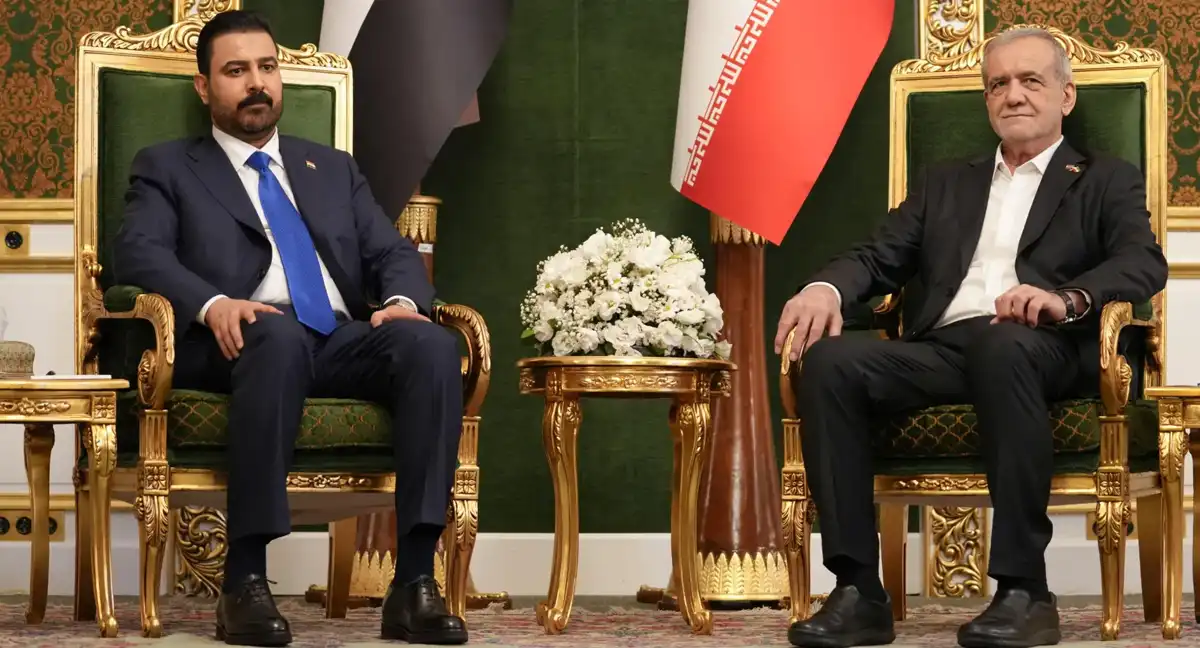
Iraqi Prime Minister Ali al-Zaidi had traveled to Tehran to deliver the American message following a meeting with President Trump in Washington, positioning Iraq as an intermediary channel between the two sides. This marks a notable shift in mediation dynamics, given that Pakistan has served as the primary facilitator in earlier rounds of US-Iran diplomacy, including the collapsed memorandum of understanding negotiated through Field Marshal Asim Munir’s direct engagement with both governments.
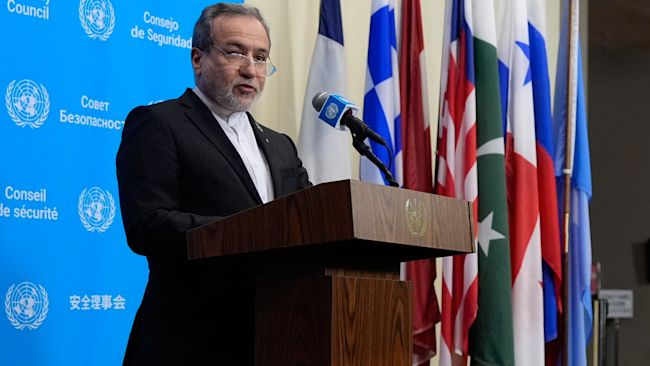
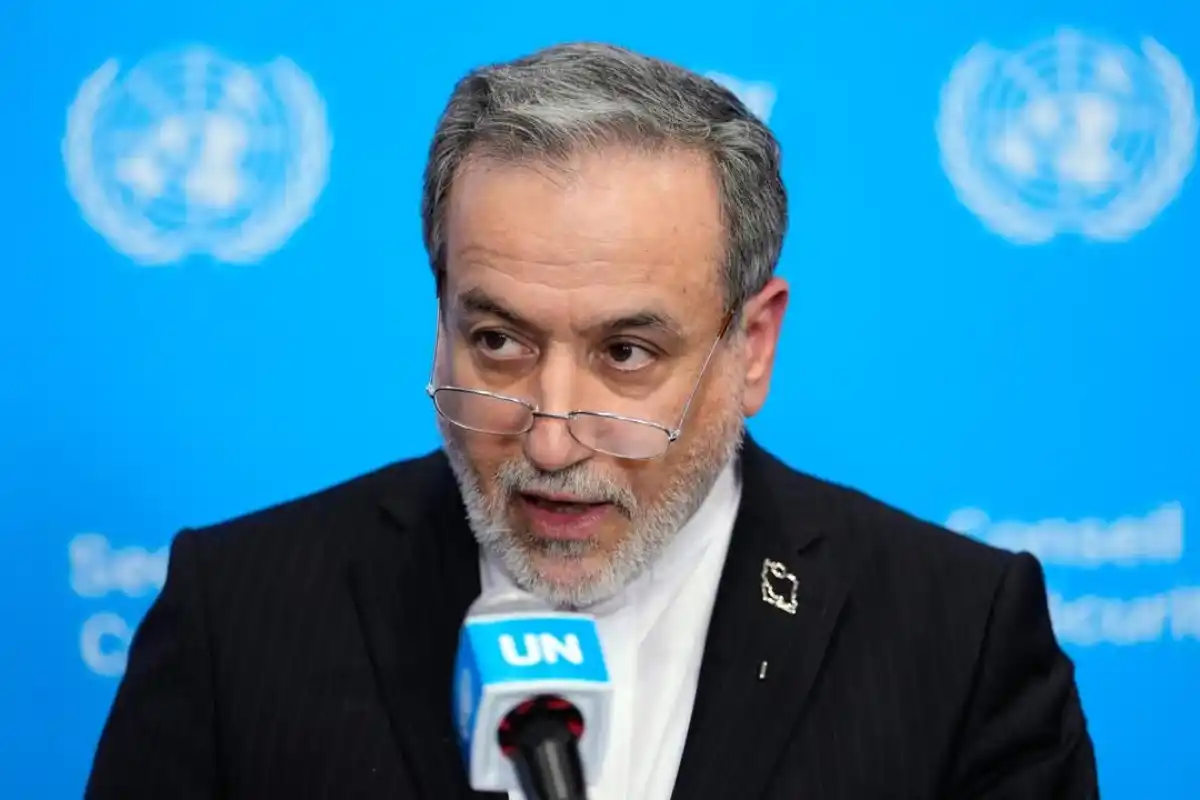
However, Iran’s rejection appears to have been signaled even before al-Zaidi’s visit took place. Iranian Foreign Minister Abbas Araghchi had already stated that Iran isn’t seeking further mediation with the US, arguing the primary obstacle to any resolution is what he characterized as America’s irrational and oppressive conduct — a position suggesting Tehran views continued negotiation as unproductive unless the fundamental terms of engagement shift first.
Trump, for his part, has taken an equally firm stance, claiming Iranian leadership isn’t prepared to reach an agreement — each side effectively blaming the other for the impasse, a pattern that has repeated throughout the conflict’s various failed diplomatic attempts.
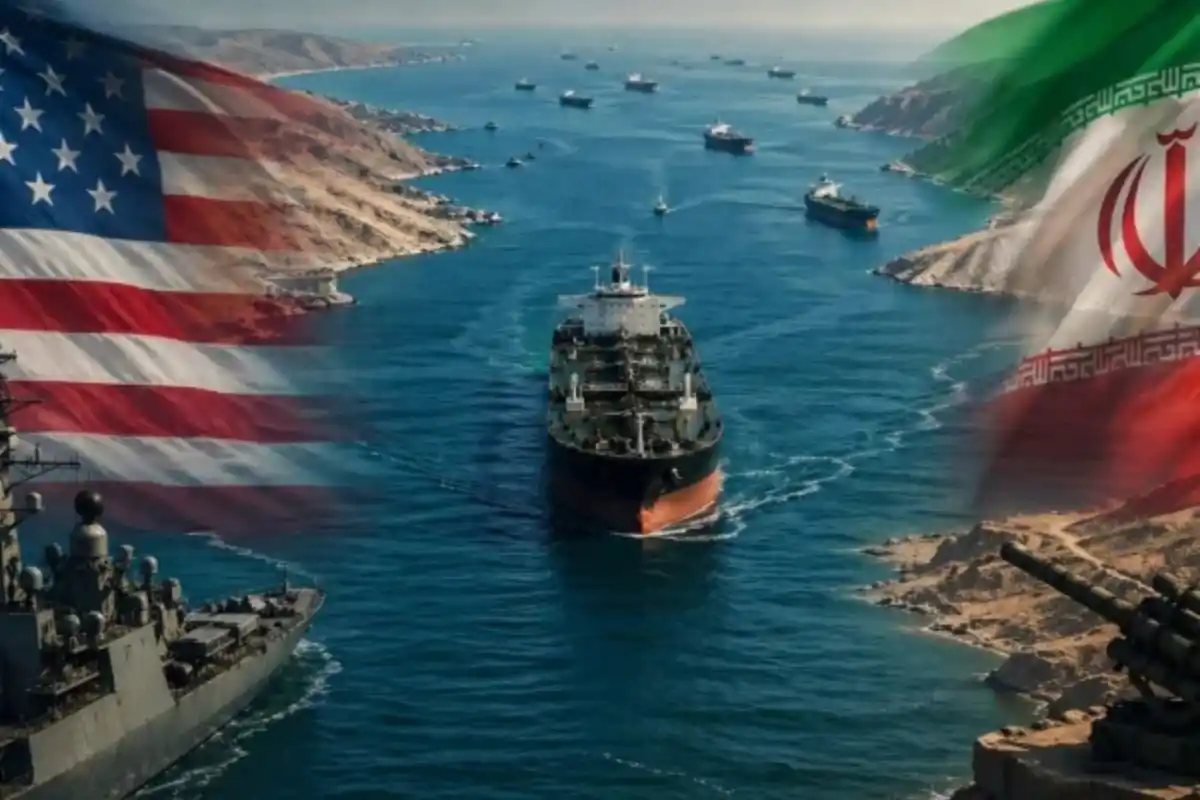
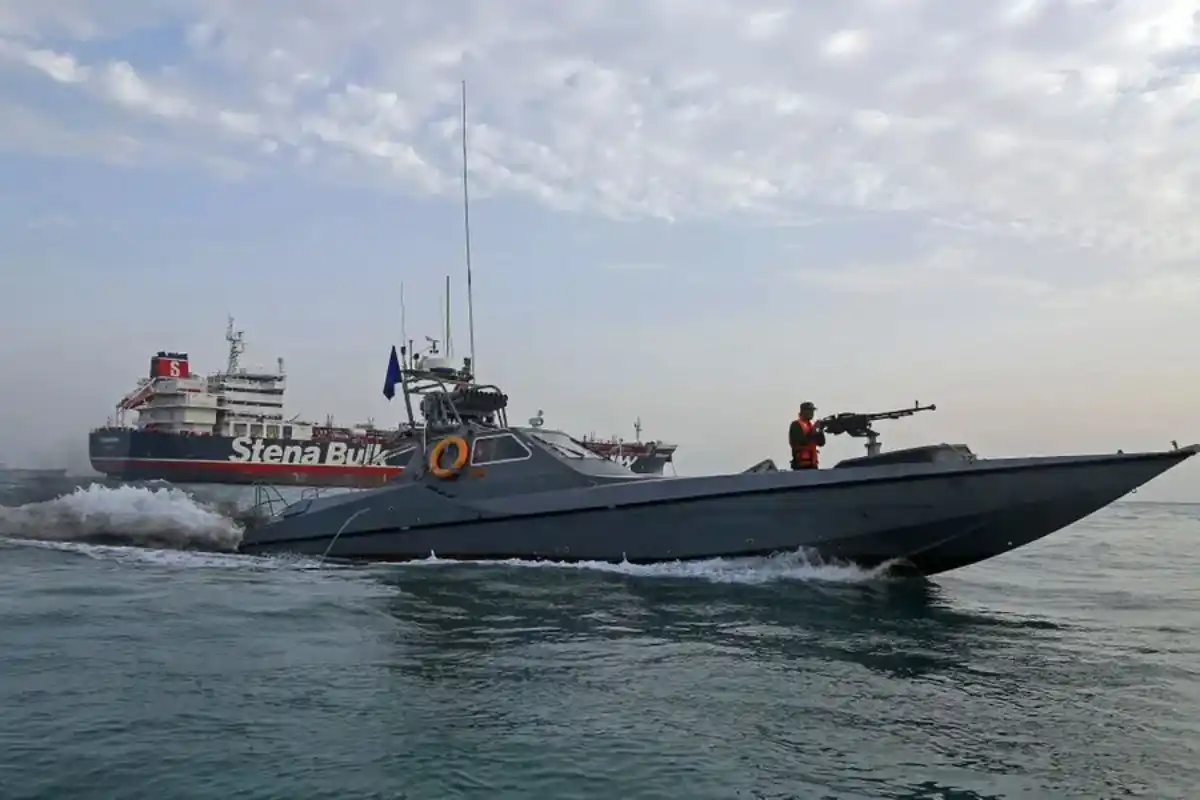
The specific sticking point over Hormuz reflects the strait’s centrality to the broader conflict’s dynamics. Iran has repeatedly asserted operational control over the waterway throughout the war, using its status as leverage while warning that it would remain effectively closed as long as US strikes continue. A temporary ceasefire that left Hormuz’s long-term status unresolved would, from Tehran’s perspective, risk conceding practical control of its primary point of leverage without securing lasting guarantees in return — a calculation that likely explains the rejection’s firm and immediate nature.
This rejection follows the established pattern from the earlier Pakistan-brokered memorandum, which similarly addressed Hormuz access as a core provision before that agreement collapsed amid mutual accusations of violation. The recurring centrality of the strait across multiple failed negotiating attempts suggests any durable resolution to the conflict will likely require a clearer, more permanent framework for Hormuz’s status rather than temporary or ambiguous arrangements.
With Iraq’s mediation attempt now apparently unsuccessful, and Pakistan’s earlier diplomatic channel already having produced a collapsed agreement, the available intermediary paths between Washington and Tehran appear increasingly narrow. Whether another country steps forward to attempt mediation, or whether the conflict continues without active diplomatic engagement between the two sides, will likely become clearer in the coming days as both governments continue their public exchange of blame over the failed ceasefire attempt.
Catch all the World News, Breaking News Event and Trending News Updates on GTV News
Join Our Whatsapp Channel GTV Whatsapp Official Channel to get the Daily News Update & Follow us on Google News.
Must Read