Humanitarian Crisis Worsens as Middle East War Disrupts Key Maritime Routes: UN

The United Nations has warned that escalating war in the Middle East, combined with disruptions to key maritime routes, is pushing humanitarian needs and economic strain to dangerous levels.
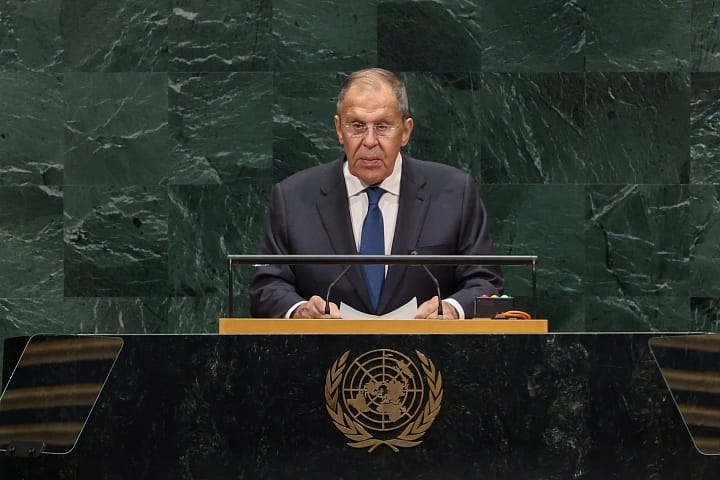
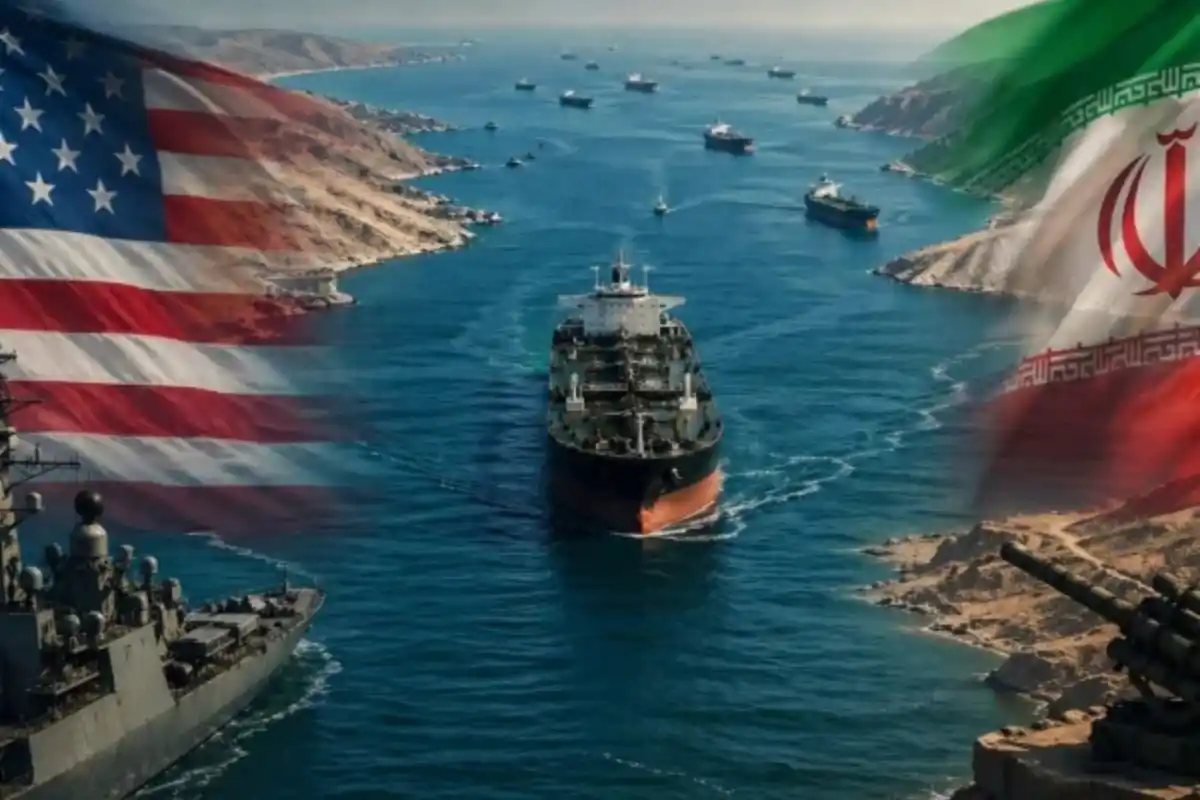
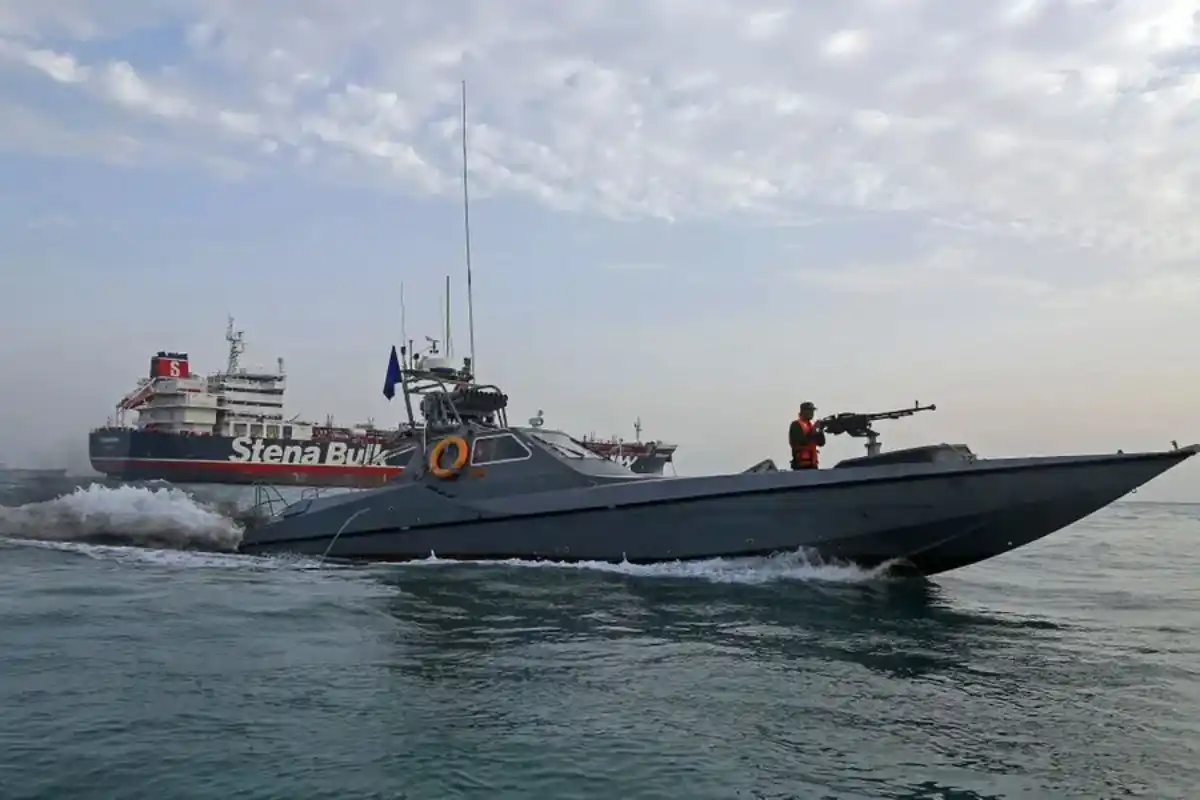
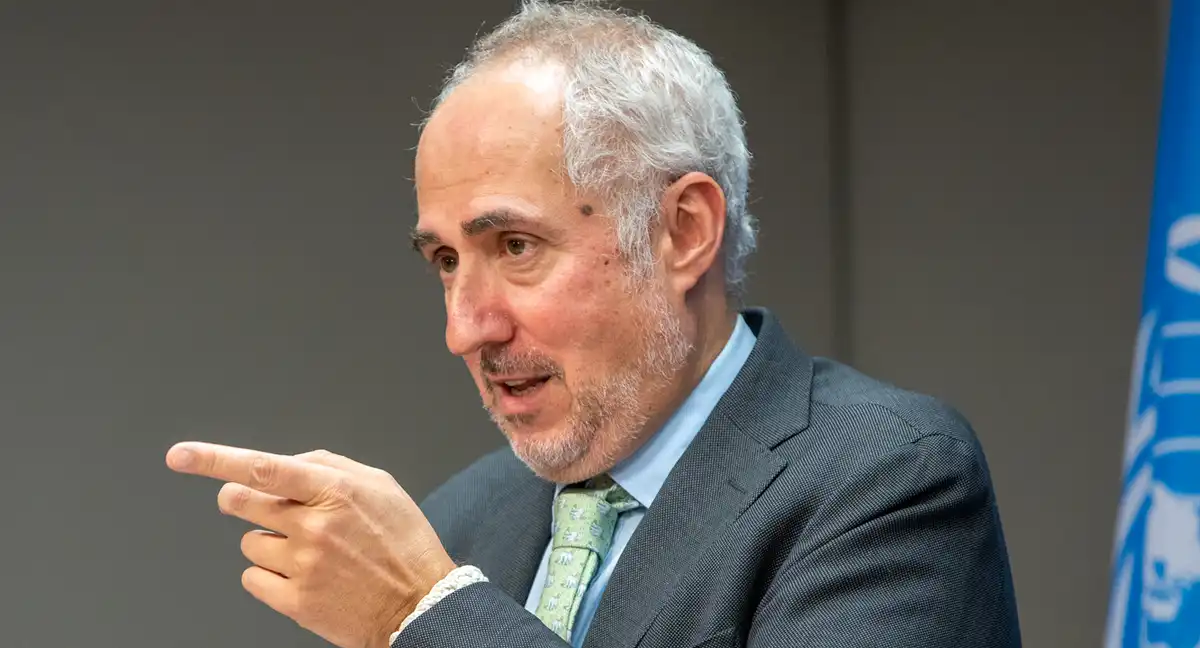
UN spokesperson Stéphane Dujarric told a press briefing that the intensifying conflict, particularly closures affecting the Strait of Hormuz and Bab el-Mandeb, is driving continuously worsening humanitarian and economic consequences.
Dujarric said the tension has created serious risk of disruption to maritime trade, air travel, border crossings, and regional supply chains — systems that tens of millions of people across the region depend on for daily life. That framing positions the crisis as extending well beyond the direct combatants, affecting ordinary populations across a much wider geographic area than the immediate conflict zones in Iran, Iraq, and the Gulf.
He warned that any further disruption to trade routes would sharply increase humanitarian needs and costs, at a moment when aid operations are already under severe strain from funding shortfalls — a combination suggesting the humanitarian response system may struggle to scale up even as needs grow, given pre-existing resource constraints predating this latest escalation.
Dujarric called on all parties involved in the conflict to respect international humanitarian law, ensure the protection of civilians and civilian infrastructure, and avoid disrupting the delivery of essential services — language reflecting standard UN appeals during active conflicts, though the practical impact of such calls has been limited throughout this war, given the continued strikes and counter-strikes across multiple fronts in recent weeks.
The UN’s warning arrives as both major maritime chokepoints connecting Gulf oil producers to global markets face simultaneous disruption: Hormuz effectively closed amid the direct US-Iran conflict, and Bab el-Mandeb now under a declared blockade threat from Yemen’s Ansar Allah movement against Saudi Arabia. That combination has already pushed Brent crude above $100 a barrel for a fourth consecutive week, with rising energy costs compounding broader economic pressure on import-dependent economies across the region and beyond.
The reference to funding shortfalls for aid operations reflects a broader, longer-term challenge facing UN humanitarian agencies, which have faced significant budget pressures across multiple simultaneous crises globally in recent years. Layering a new regional supply chain crisis atop existing humanitarian funding gaps raises the prospect of aid organizations facing impossible tradeoffs between competing crises with insufficient resources for all of them.
Whether this UN warning translates into renewed international pressure for de-escalation, or additional humanitarian funding commitments from donor nations, remains uncertain. Given how the conflict has continued expanding geographically and in intensity despite repeated diplomatic warnings and failed ceasefire attempts, the practical test will be whether humanitarian access and trade route stability improve in the near term, or whether the UN’s warnings prove another marker in a continuing deterioration.
Catch all the World News, Breaking News Event and Trending News Updates on GTV News
Join Our Whatsapp Channel GTV Whatsapp Official Channel to get the Daily News Update & Follow us on Google News.
Must Read