Iran War Puts US Air Defenses Under Pressure as Pentagon Orders New Patriot Interceptors

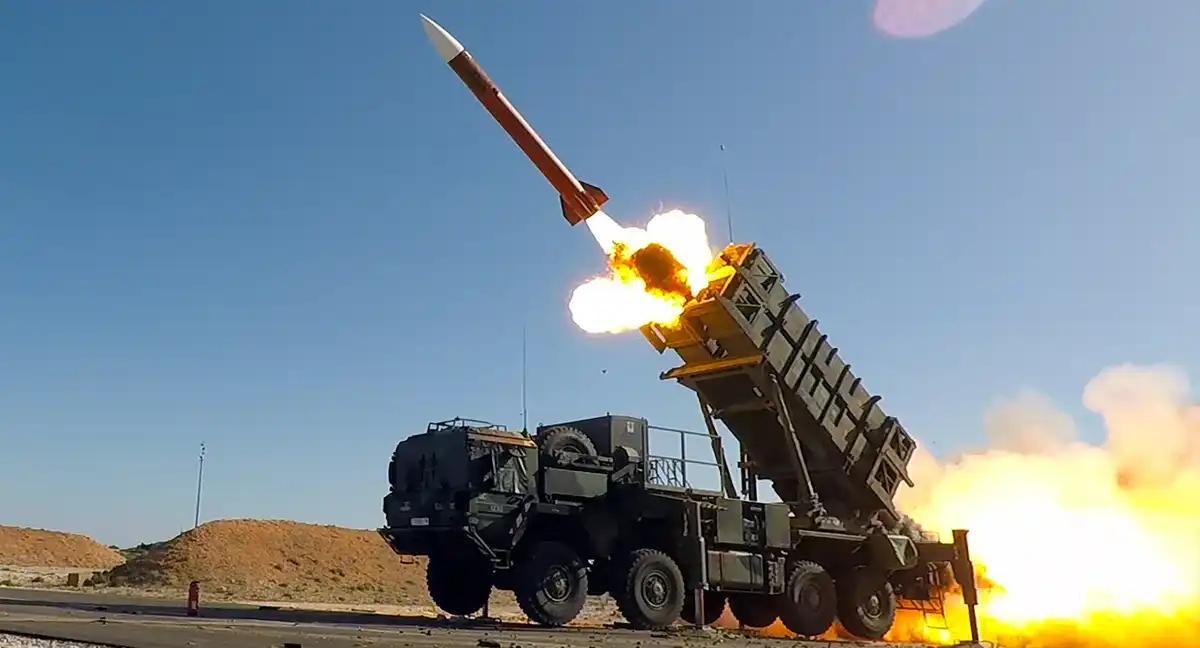
The US military has placed its first internal order in more than three decades for new PAC-2 series interceptors for the Patriot air defense system, aiming to reinforce depleted air defense capacity strained by the ongoing Iran conflict. The order marks the first time in over 30 years the Army has commissioned new production of this Patriot interceptor variant.
Raytheon, the Patriot system’s primary manufacturer, confirmed in its quarterly earnings report that it received approximately $20 billion in orders during the second quarter of 2026, with more than $5 billion of that tied specifically to GEM-T Patriot interceptors. That figure gives a sense of scale for how significantly demand has surged, with defense contractors moving quickly to secure production capacity amid what the report describes as intense global demand for the system.
This latest order connects to an earlier $441.6 million contract the US Army issued in April specifically to support Operation Ajax Fury against Iran, indicating a direct line between battlefield consumption during the current conflict and the Pentagon’s subsequent procurement decisions. GEM-T represents the only Patriot PAC-2 variant currently in production, and it’s specifically designed to intercept aircraft and cruise missiles — capabilities directly relevant to the kind of threats Iran has claimed to deploy throughout the conflict, including drone and cruise missile strikes on US bases and allied positions.
Global demand for Patriot systems and interceptors has intensified considerably, driven by both the Middle East war and the ongoing conflict in Ukraine — two simultaneous, high-intensity conflicts placing unusual strain on a defense industrial base not originally scaled for this level of parallel demand. Members of the US Congress have raised concerns over shrinking Patriot missile stockpiles, given the substantial number of interceptors already expended during the Iran conflict.
According to estimates cited in the reporting, somewhere between 1,060 and 1,430 Patriot interceptors have been used so far in the conflict — a considerable drawdown that helps explain both the urgency behind this new production order and the congressional concern over remaining stockpile levels. Compounding the supply pressure, there have been reports of Iran targeting Patriot systems and their critical radar components directly, which would further strain the available inventory of functioning air defense assets in the region if those claims are accurate.
The intersection of rising battlefield consumption, congressional stockpile concerns, and now direct Iranian targeting of Patriot infrastructure paints a picture of a US air defense posture under sustained pressure on multiple fronts simultaneously. This dynamic mirrors broader reporting on US weapons stockpile strain that Defense Secretary Hegseth flagged in recent congressional testimony, where he specifically cited the need to expand production of high-demand munitions including solid rocket motors and JDAMs alongside air defense capabilities.
Whether this production restart adequately addresses the depletion concerns Congress has raised will likely depend on how quickly Raytheon can convert the roughly $20 billion in second-quarter orders into delivered interceptors, a timeline that typically spans months to years for complex missile systems even under expedited wartime production schedules.
Catch all the World News, Breaking News Event and Trending News Updates on GTV News
Join Our Whatsapp Channel GTV Whatsapp Official Channel to get the Daily News Update & Follow us on Google News.
Must Read